Heart-Healthy Diet Food List and Grocery List + PDF
A heart-healthy diet, also called a cardiac diet, is an eating pattern built on vegetables, fruit, whole grains, legumes, fish, nuts and liquid plant oils, with less salt, saturated fat and added sugar. This list covers what to buy, what to limit and which foods are linked to lower LDL cholesterol.
- Shopping list
- 58
- Store categories
- 12
- Type
- Diets for health conditions
Heart-healthy diet shopping list
58 of 58 items
 Meats
 Fish & seafood
 Fresh grocery
 Dry goods
 Dairy & eggs
 Plant based
 Bakery
 Frozen
 Cans & jars
 Snacks & sweets
 Spices & sauces
 Beverages
How the heart-healthy diet works
A heart-healthy diet is an overall pattern, not a fixed menu. The American Heart Association’s 2021 guidance asks for a wide variety of fruits and vegetables (white potatoes excluded) and whole grains instead of refined grains. It favors healthy proteins, mainly plants and fish, plus low-fat or fat-free dairy and unprocessed lean meat or poultry. It also asks for liquid plant oils instead of tropical oils, animal fats and partially hydrogenated fats, and for less added sugar and salt.
The limits come from US health agencies. The NHLBI says adults should eat less than 2,300 mg of sodium a day and keep saturated fat under 10% of daily calories. MedlinePlus translates that: 2,300 mg is about 1 teaspoon of salt, the AHA’s ideal sodium limit is 1,500 mg a day for most adults, and 10% of calories is about 22 grams of saturated fat on a 2,000-calorie diet.
For LDL cholesterol, the focus is soluble fiber. Harvard Health cites a goal of 20 to 35 grams of fiber a day, with at least 5 to 10 grams from soluble fiber, found in oats, barley, beans, lentils and fruit. Liquid vegetable oils used in place of butter also lower LDL.
Bake, broil, roast, steam or boil instead of deep-frying, and flavor food with herbs, spices or lemon juice instead of salt. The AHA guidance says to minimize drinks with added sugars, so water, sparkling water and unsweetened tea fit best.
What can you eat on the heart-healthy diet
-

Vegetables
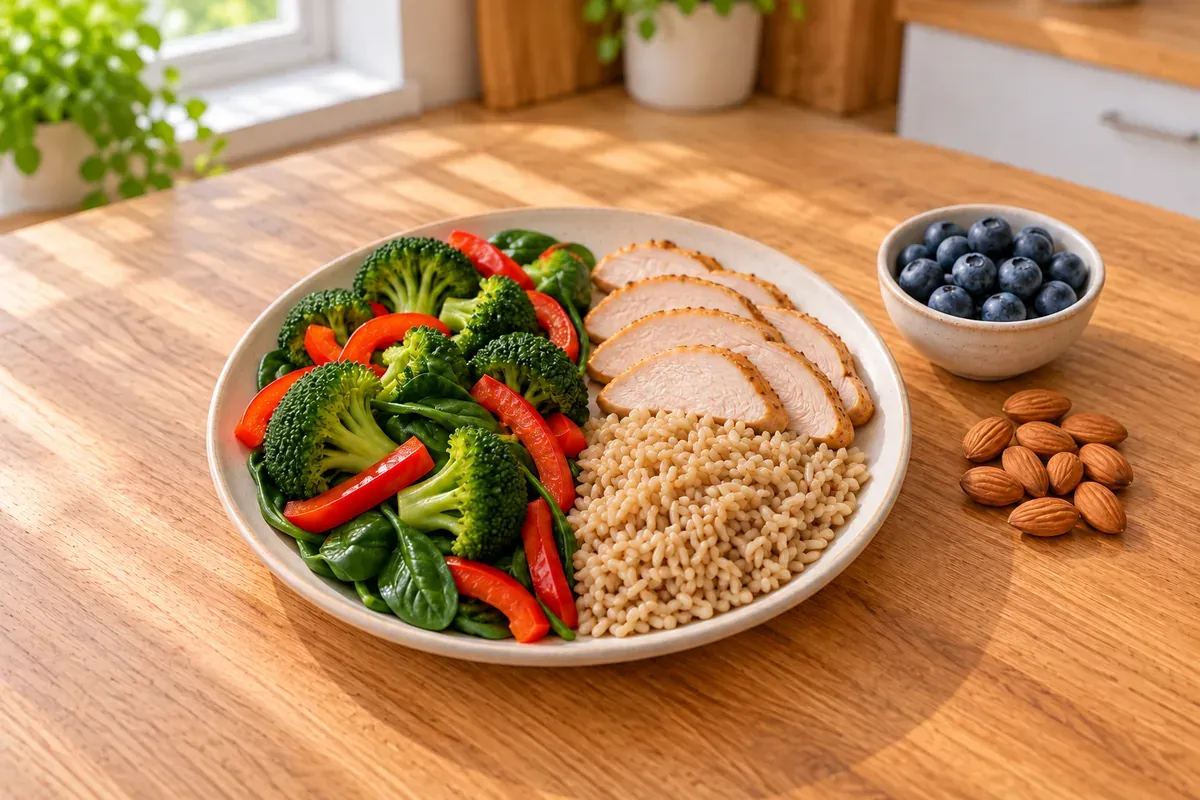
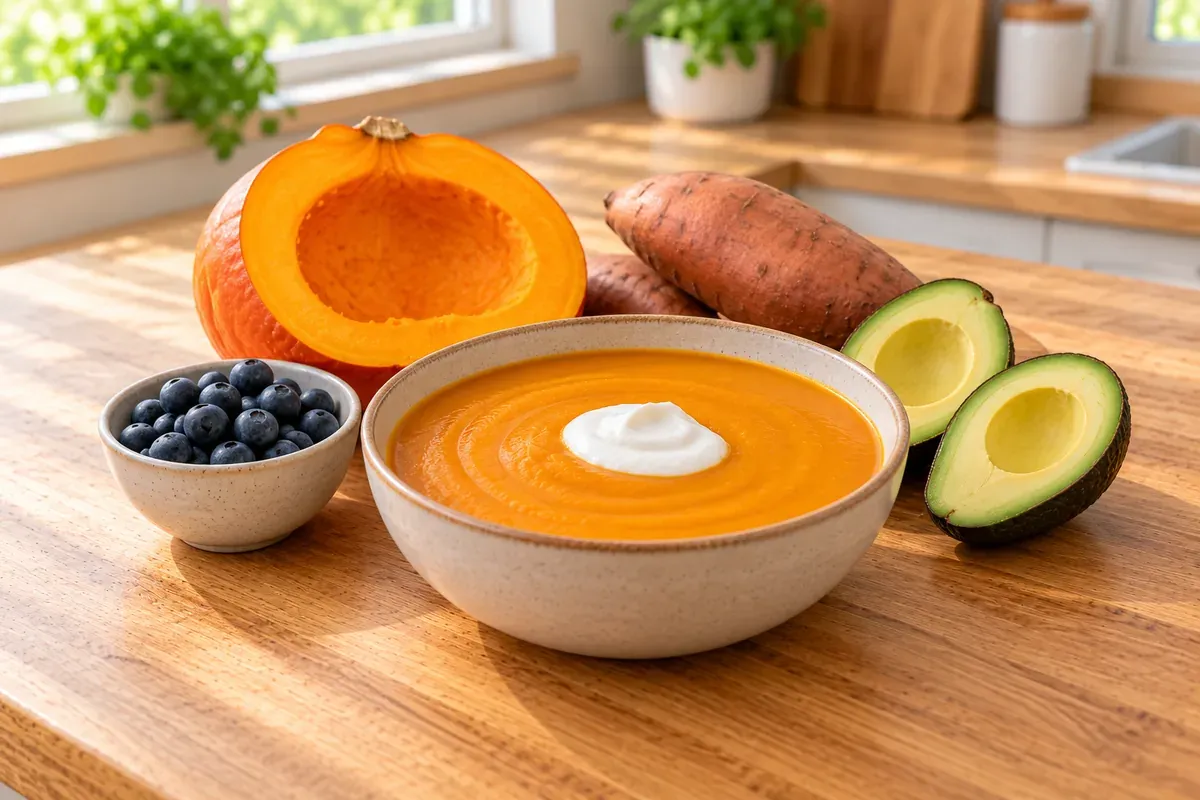
Leafy greens, broccoli, carrots and tomatoes are the base of the pattern. The AHA guidance counts fresh, frozen, canned and dried produce, with white potatoes excluded, so pick no-salt-added canned vegetables.
-

Fruit
MedlinePlus sets 5 or more servings of fruits and vegetables a day and prefers whole fruit to juice for the fiber. Harvard Health lists apples, grapes, strawberries and citrus fruit as sources of pectin, a soluble fiber.
-
Whole grains
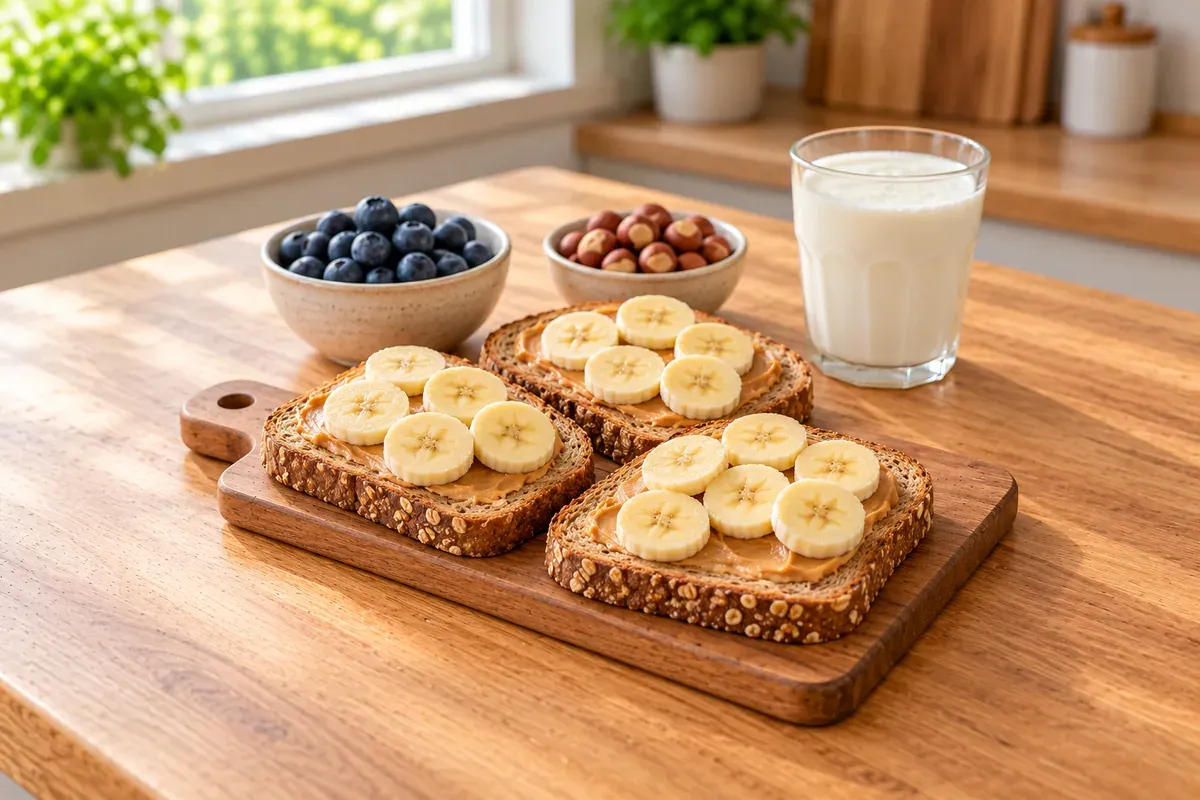
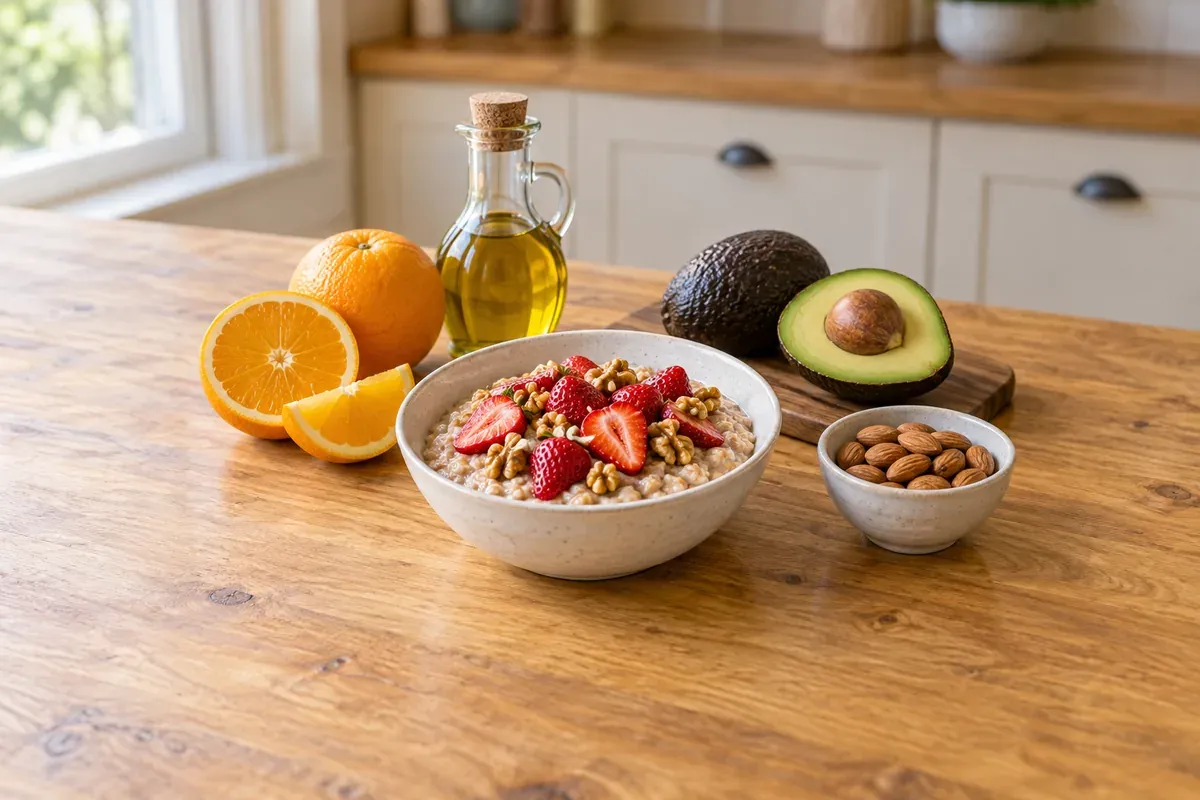
Plain oatmeal, brown rice, barley and whole-grain bread or tortillas are on the NHLBI list, and MedlinePlus asks for at least half of your grains to be whole. Oats give 1 to 2 grams of soluble fiber per serving, according to Harvard Health.
-

Legumes and soy
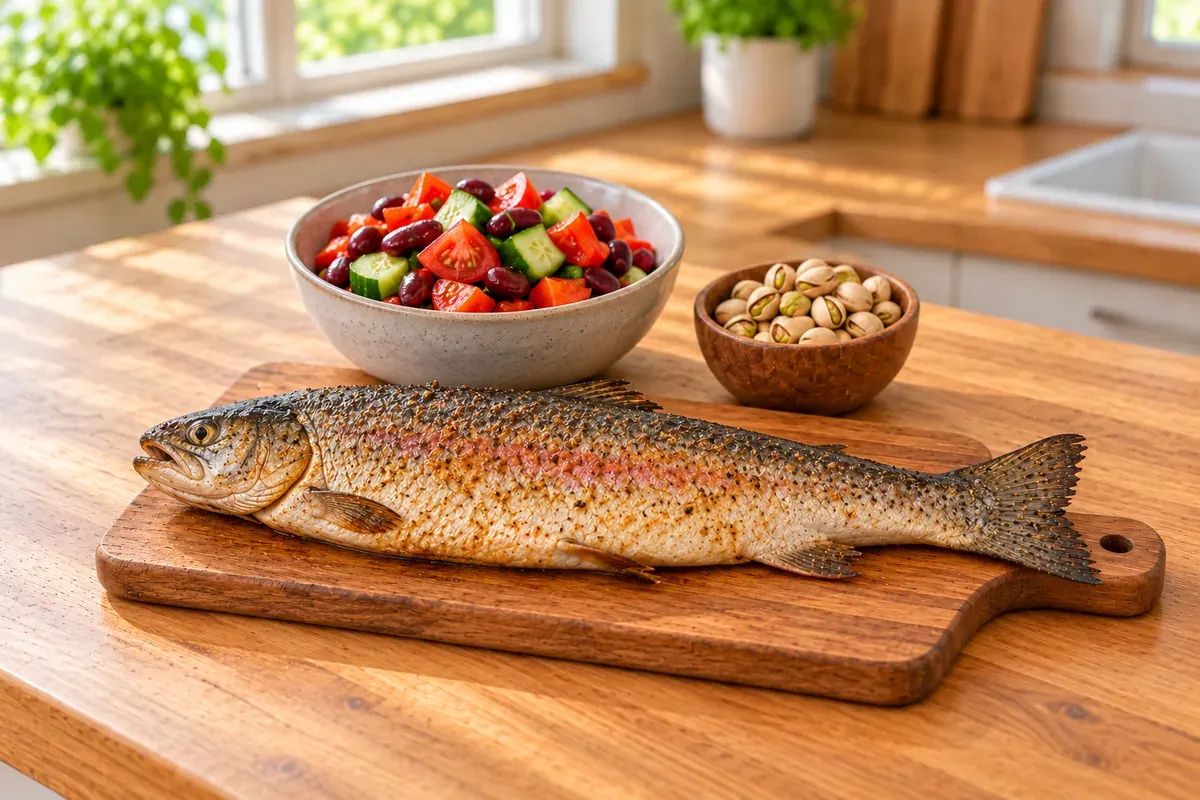
Beans, lentils and tofu are plant proteins that the AHA guidance favors, and Harvard Health calls beans especially rich in soluble fiber. They also stand in for meat in some meals.
-
Fish
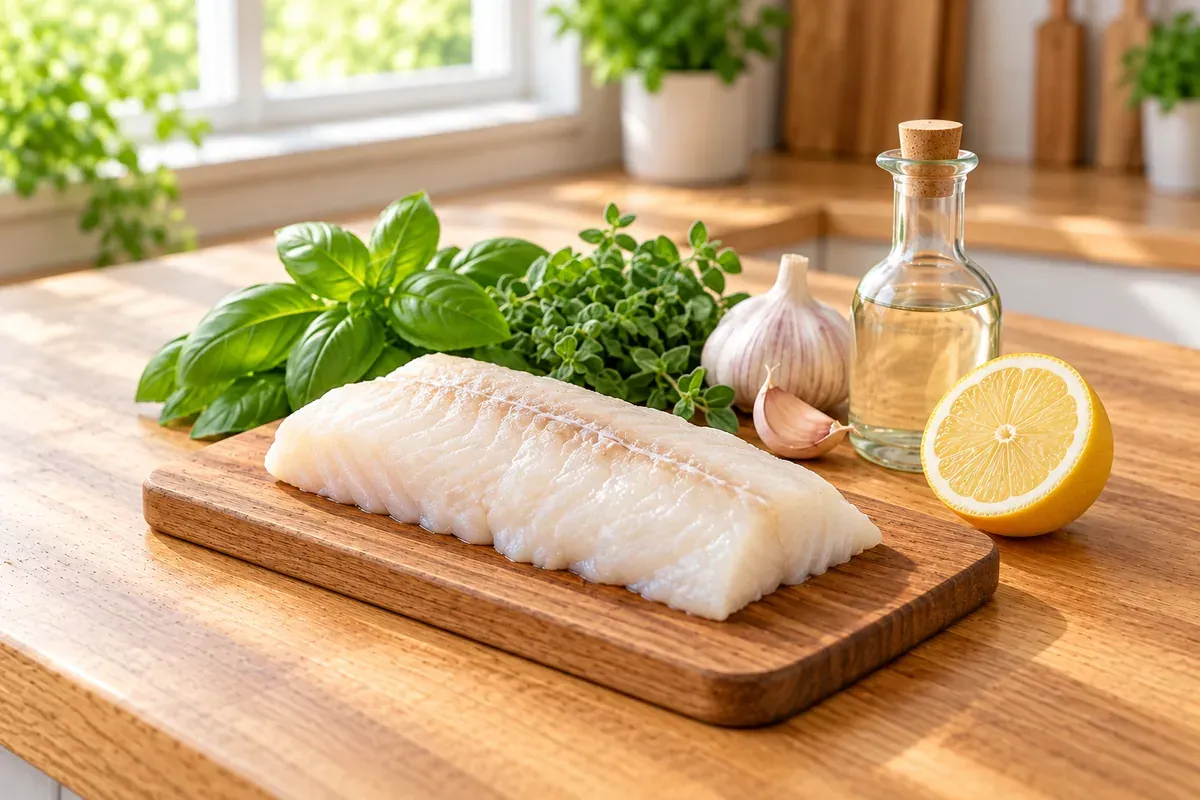
Salmon, trout and tuna are fish high in omega-3 fatty acids on the NHLBI list. MedlinePlus advises at least 2 servings of low-mercury fish a week, and the AHA guidance notes that fried fish is not linked to benefits.
-
Lean protein, eggs and low-fat dairy
The NHLBI lists skinless chicken or turkey, lean meats, eggs, and fat-free or low-fat milk, yogurt and cheese. The AHA guidance asks for low-fat or fat-free dairy in place of full-fat dairy.
-

Nuts and seeds
Unsalted almonds, walnuts, peanuts and seeds are on the NHLBI list of foods to choose. Buying them unsalted keeps the sodium down.
-

Healthy fats
Olive, canola and sunflower oils and avocados replace butter, lard, and coconut and palm oils on the NHLBI list. The AHA guidance says to use liquid plant oils instead of tropical oils, animal fats and partially hydrogenated fats.
Foods to limit on the heart-healthy diet
On a heart-healthy diet, limit or leave out:
- Salty processed foods. Cured meats, canned soups, premade sauces, instant rice and noodle mixes and some frozen meals are high in sodium. Choose low-sodium, reduced-sodium or no-salt-added versions instead.
- Fatty and processed meats. Bacon, sausage, chicken with skin and fatty cuts of steak are high in saturated fat, according to MedlinePlus. The NHLBI swaps them for leaner, lower-fat or skinless cuts.
- Full-fat dairy and tropical oils. Butter, whole milk, sour cream, ice cream and full-fat cheese are high in saturated fat, and so are coconut, palm and palm kernel oils. Low-fat or fat-free dairy and liquid plant oils replace them.
- Trans fats. Partially hydrogenated oils turn up in packaged snacks, solid margarine, fried foods and commercial donuts, cookies and crackers. MedlinePlus notes that trans fats can raise LDL cholesterol.
- Added sugars. Soft drinks, candy, sweetened snacks and sweets are the main sources, according to the NHLBI. The AHA guidance says to minimize drinks and foods with added sugars.
- Refined grains and rich baked goods. White bread, white pasta, butter rolls, croissants and cream sauces are on MedlinePlus's limit list. Whole grains replace them.
- Alcohol. The AHA does not recommend starting to drink for heart health, and if you do drink, it asks you to limit intake. MedlinePlus sets no more than 1 drink a day for women and 2 for men, where a drink is 12 fl oz of beer, 5 fl oz of wine or 1.5 fl oz of liquor.
Downsides to know about
- A pattern, not a guarantee. MedlinePlus describes a healthy diet as one important factor in reducing heart disease risk, and no food list can promise to prevent it. Harvard Health adds that several cholesterol-lowering foods together should work better than one or two.
- Single foods move LDL only a little. Harvard Health puts the effect at about 5% for 2 ounces of nuts a day, 5% to 6% for 25 grams of soy protein and about 10% for 2 grams of plant sterols or stanols. Reaching 5 to 10 grams of soluble fiber a day takes several foods across the day.
- Sodium is hard to track. Packaged and processed foods and foods prepared outside the home are leading sources of salt in the US, according to the AHA guidance. Staying under 2,300 mg means reading labels and cooking at home more often.
- No calorie target. The NHLBI gives no calorie amount, since needs vary by sex, age and activity level. The AHA guidance asks you to balance energy intake and expenditure for a healthy weight, so portions still count.
People also ask
Which foods help lower LDL cholesterol?
Harvard Health lists oats, barley, beans, lentils, eggplant, okra, apples, grapes, strawberries and citrus fruit for soluble fiber, plus nuts, soy foods and fish eaten two or three times a week. It also lists liquid vegetable oils used in place of butter, lard or shortening, and says combining several foods should work better than relying on one or two.
Can I eat eggs and red meat on a heart-healthy diet?
Yes, within limits. The NHLBI lists eggs, lean meats and skinless chicken or turkey among foods to choose, while bacon, sausage and fatty cuts are high in saturated fat. The AHA guidance favors mainly plant proteins and fish, with lean meat or poultry that is not processed.
How much sodium per serving fits a heart-healthy diet?
According to MedlinePlus, foods with more than 300 mg of sodium per serving may not fit a reduced-sodium diet. Check the sodium line on the label, and compare it with the low-sodium, reduced-sodium or no-salt-added version of the same product, as the NHLBI suggests.