Insulin Resistance Diet Food List and Shopping List
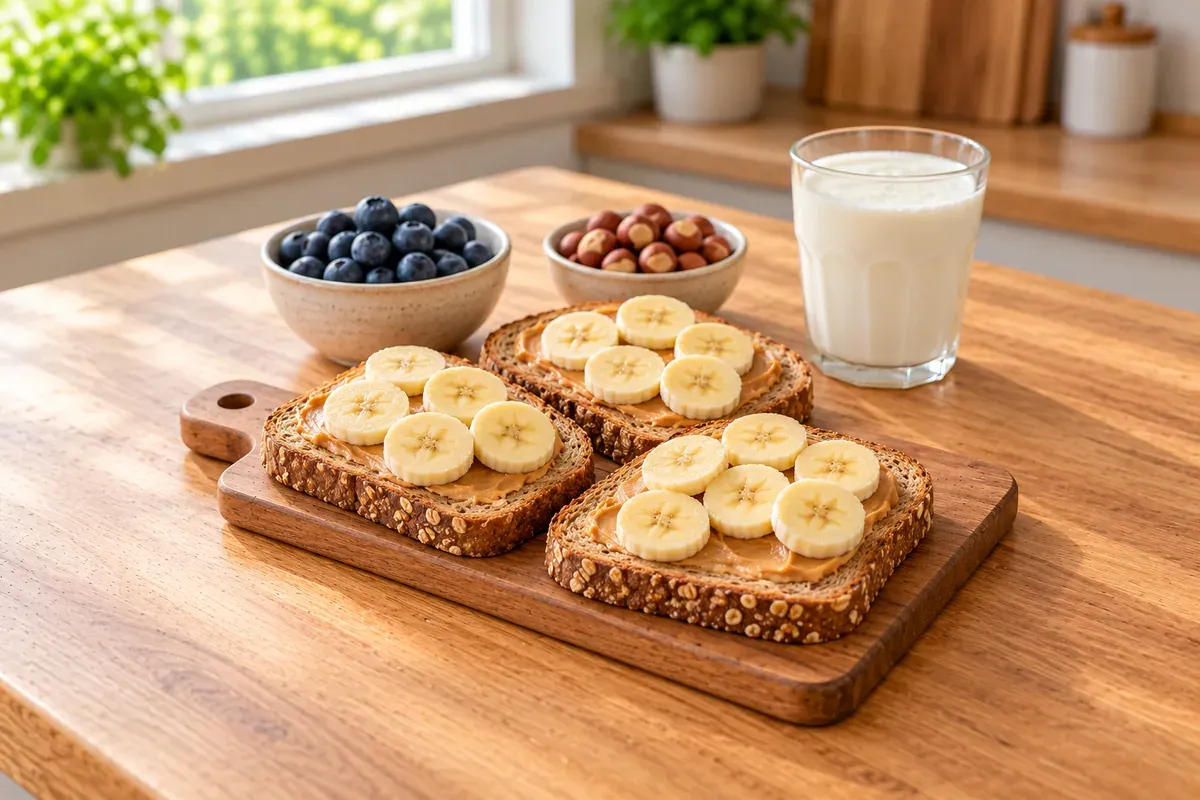
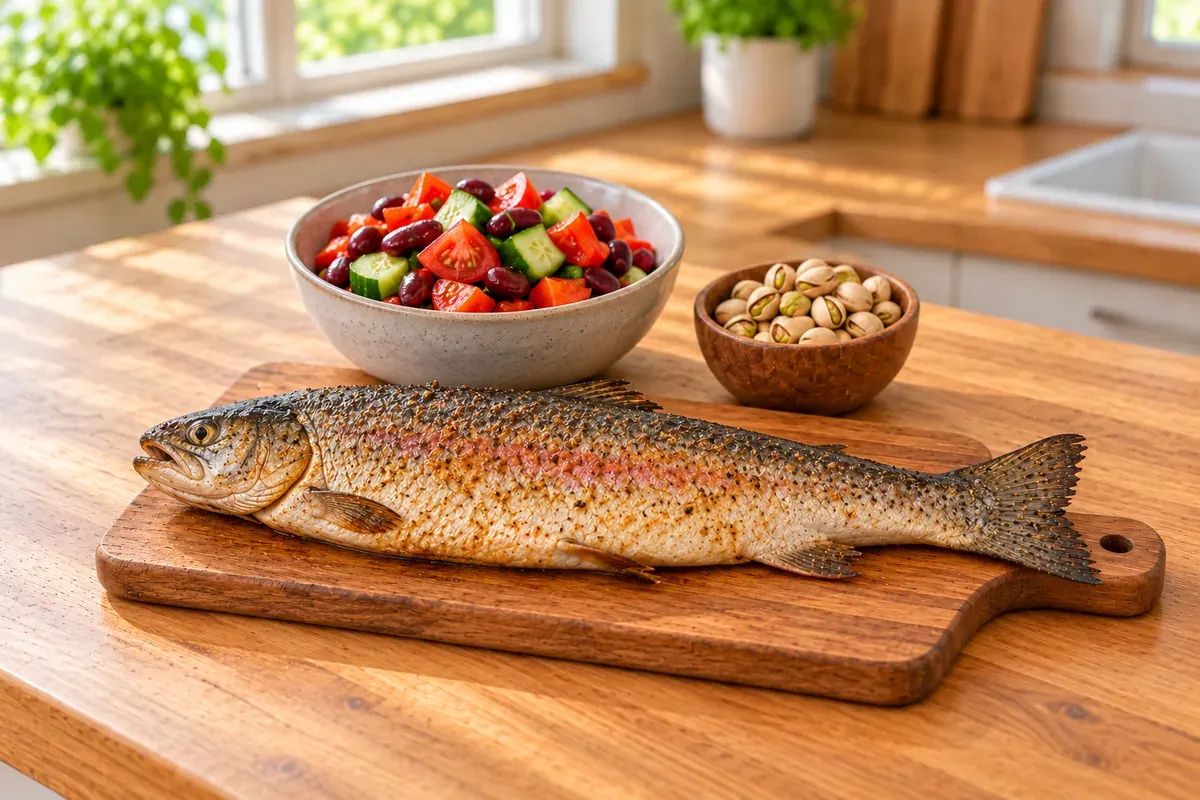
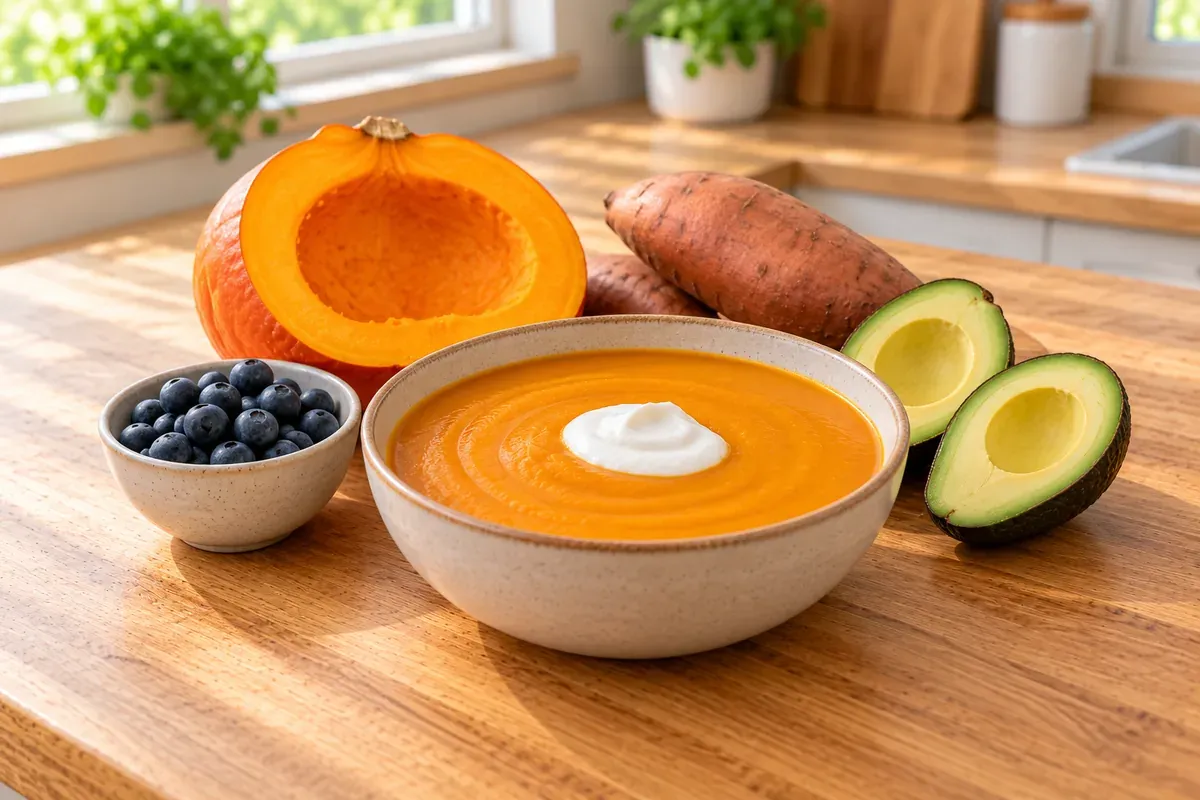
The insulin resistance diet is not one official plan. It is the name people use for the eating advice given for insulin resistance and prediabetes: more vegetables, whole grains, beans, and fish, and fewer sugary drinks and refined carbs. This list covers what to buy and what to limit.
- Shopping list
- 58
- Store categories
- 12
- Type
- Diets for health conditions
Insulin resistance diet shopping list
58 of 58 items
 Meats
 Fish & seafood
 Fresh grocery
 Dry goods
 Dairy & eggs
 Plant based
 Bakery
 Frozen
 Cans & jars
 Snacks & sweets
 Spices & sauces
 Beverages
How the insulin resistance diet works
No health body publishes a single insulin resistance diet. The American Diabetes Association (ADA) says current evidence shows no ideal split of carbohydrate, protein, and fat for preventing diabetes. It lists Mediterranean-style, plant-based, DASH, and low-carbohydrate patterns as options. Cleveland Clinic names the Mediterranean diet as its best bet for an overall plan.
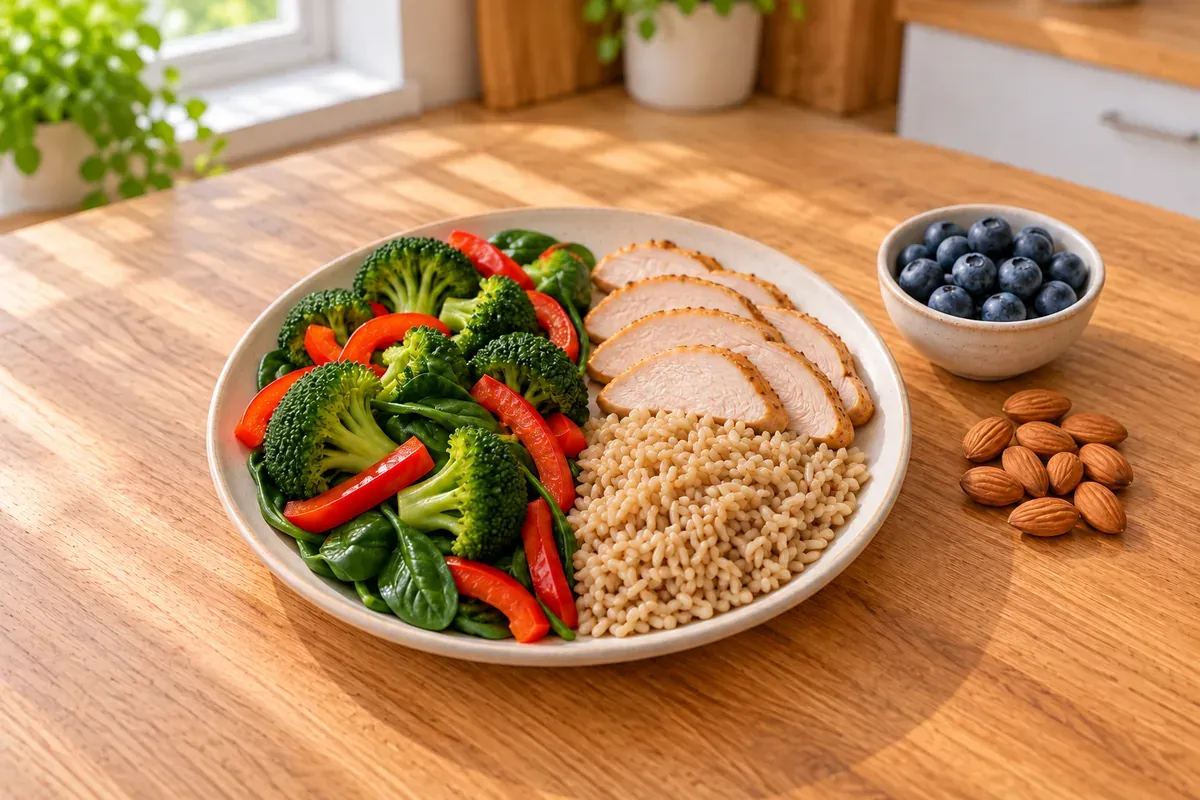
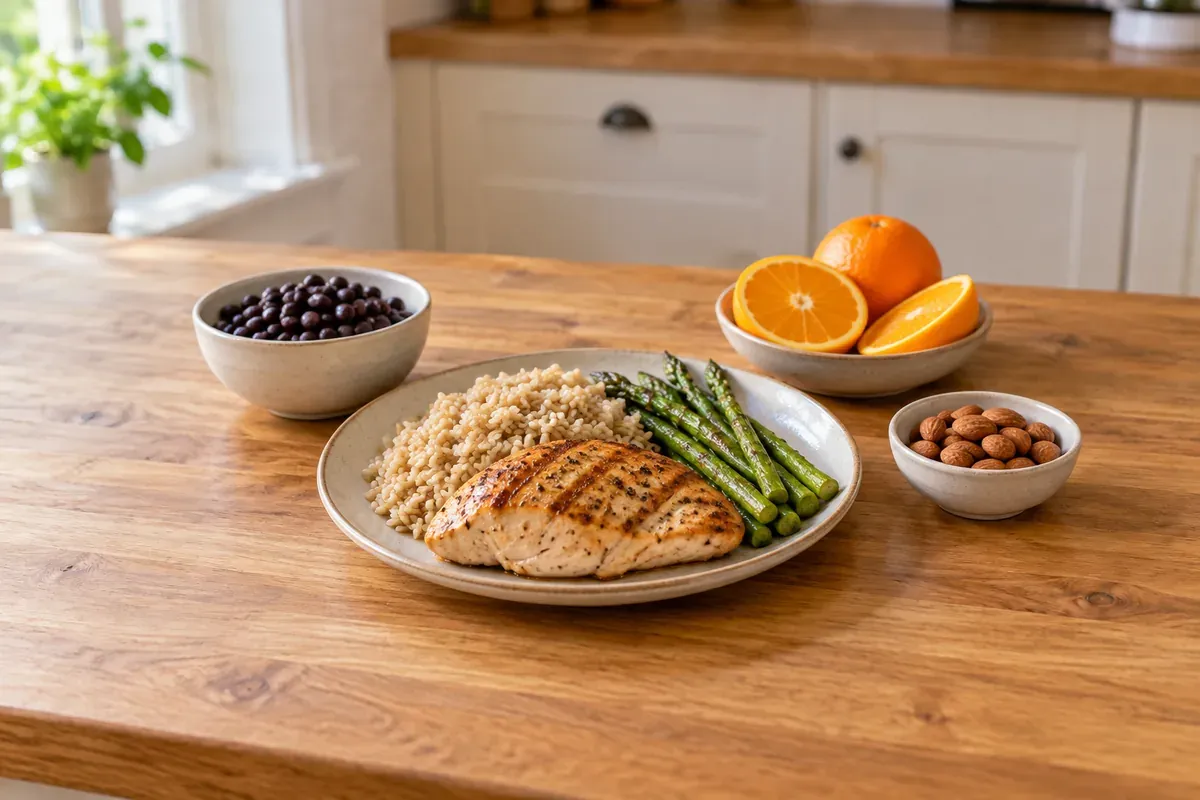
What the sources share is food quality. The ADA links a diet that emphasizes whole grains, legumes, nuts, fruits, and vegetables, with minimal refined and processed foods, to a lower risk of type 2 diabetes. NIDDK’s prevention plan fills half the plate with fruits and vegetables, a quarter with lean protein, and a quarter with whole grains. It also says to drink water instead of soda, sports drinks, and fruit juice.
Harvard’s Nutrition Source adds detail on carbohydrates. High-fiber foods digest more slowly, so blood sugar rises more gradually, and refined grains such as white rice and white bread are the ones to limit. The glycemic index scores carbohydrate foods from 0 to 100: 55 or less is low, 56 to 69 is medium, and 70 or more is high. The glycemic load adds the carbohydrate in a typical serving to that score.
Weight and activity are part of the advice. NIDDK reports that in the Diabetes Prevention Program, losing 5% to 7% of starting weight helped reduce the chance of developing type 2 diabetes. For adults with overweight or obesity at high risk, the ADA recommends a program aiming for that 5 to 7% weight reduction through a reduced-calorie eating pattern and at least 150 minutes a week of moderate-intensity activity. NIDDK covers insulin resistance and prediabetes on one page, so this list also works as a prediabetes diet food list.
What can you eat on the insulin resistance diet
-
Non-starchy vegetables
Spinach, broccoli, cauliflower, asparagus, peppers, and carrots. NIDDK's prevention plan fills half the plate with fruits and vegetables, and Cleveland Clinic says non-starchy vegetables help slow digestion and stabilize blood sugar.
-
Whole grains
Rolled oats, brown rice, quinoa, barley, and whole-wheat pasta. Harvard advises choosing whole grains over refined ones and ranks intact forms such as oats or brown rice above highly processed whole-grain bread.
-

Legumes
Lentils, chickpeas, black beans, and kidney beans. Cleveland Clinic counts beans and legumes among the highest-fiber foods, and Harvard lists kidney beans, black beans, and lentils as low glycemic load (10 or under).
-

Fruit
Apples, pears, grapefruit, oranges, and berries. Cleveland Clinic points to high-fiber fruit with a lower glycemic index, such as apples, pears, grapefruit, blueberries, blackberries, and strawberries, rather than juice.
-
Lean protein and fish
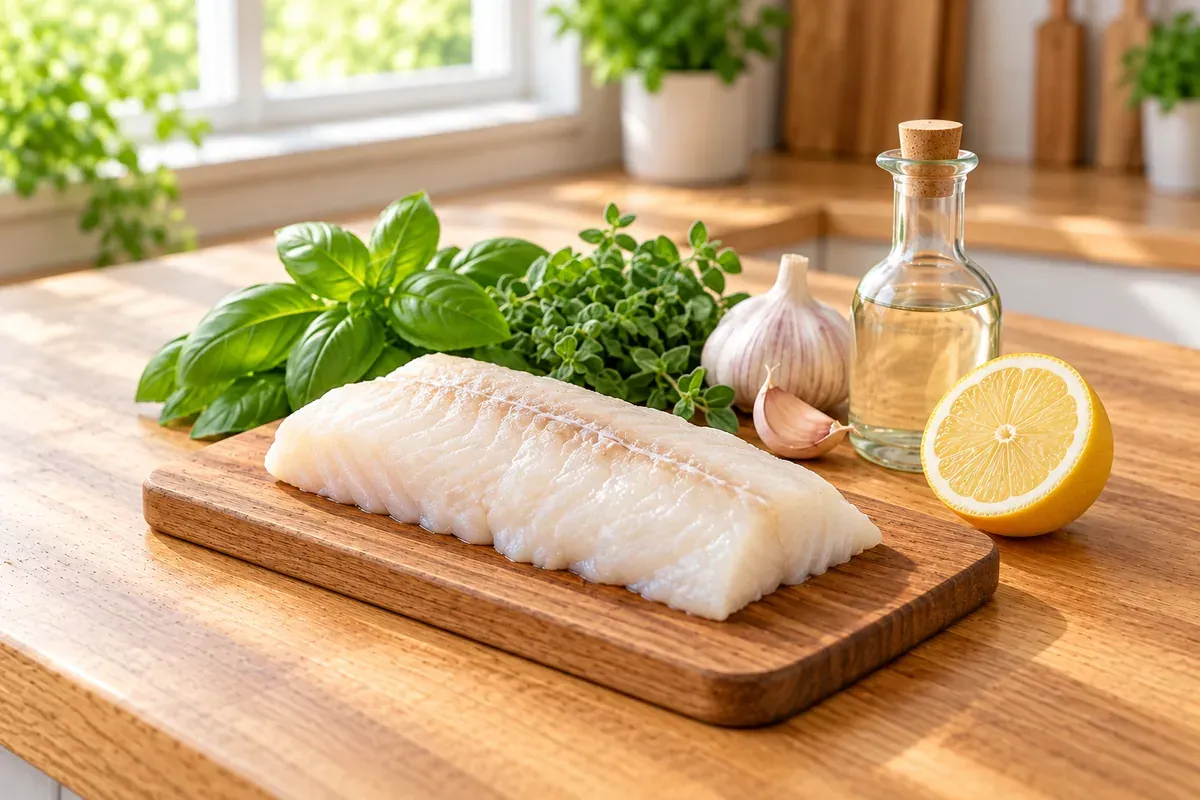
Chicken, turkey, lean beef, eggs, tofu, tempeh, and fish such as salmon. NIDDK gives a quarter of the plate to lean protein, and Cleveland Clinic notes that omega-3 fats in salmon, herring, and albacore tuna may help with insulin resistance.
-

Healthy fats
Almonds, walnuts, peanuts, seeds, olive oil, and avocado. Cleveland Clinic describes the Mediterranean pattern as plant foods, fish, and healthier fats, and NIDDK suggests a small handful of unsalted nuts instead of chips or candy.
-
Low-fat dairy
Plain low-fat yogurt, low-fat milk, and cottage cheese. NIDDK's plan suggests fat-free or low-fat milk and yogurt in place of whole milk; plain versions leave out the sugar that flavored ones add.
-
Beverages
Water, plain sparkling water, and unsweetened tea or coffee. Harvard recommends water, tea, or coffee with little or no sugar, and NIDDK says to drink water instead of sugary drinks.
Foods to limit on the insulin resistance diet
For insulin resistance, health sources advise limiting or avoiding:
- Sugary drinks. Regular soda, sports drinks, fruit juice, and sweetened coffee or tea. Harvard says to avoid sugary drinks, and Cleveland Clinic notes that one can of soda has about 40 grams of sugar, roughly 10 teaspoons.
- Refined grains and white-flour foods. White bread, white rice, white-flour pasta, couscous, and refined breakfast cereal. Harvard advises limiting refined grains and lists couscous, white pasta, and refined cereal as high glycemic load.
- Baked potatoes and fries. Harvard puts baked potatoes and French fries on its high glycemic load list. Leave them out of the cart, or keep them to small portions.
- Sweets and baked goods. Candy, cookies, cakes, pastries, and other sweet treats. Cleveland Clinic says baked goods made with white flour can raise blood glucose, and Harvard lists a candy bar as high glycemic load.
- Ultra-processed and fried foods. Chips, fast food, packaged snacks, and fried dishes. Cleveland Clinic lists ultra-processed foods among those to limit, and NIDDK suggests baked, steamed, grilled, or broiled food rather than fried.
- Saturated and trans fats. Fatty cuts of meat, processed meats, and whole milk are typical sources. NIDDK's plan and Cleveland Clinic both advise choosing less saturated fat.
- Alcohol. Beer, wine, and mixed drinks. NIDDK advises limiting alcohol and choosing light beer or wine over mixed drinks.
Downsides to know about
- No single official diet. The ADA says current evidence shows no ideal share of carbohydrate, protein, and fat for preventing diabetes, and it lists several eating patterns as options. This list gathers what the sources share, so it is not a protocol from a health body.
- Food is one part of the plan. In the Diabetes Prevention Program, a lifestyle program cut the risk of type 2 diabetes by 58% over 3 years, and the ADA calls weight loss the most important factor. Even without weight loss, 150 minutes a week of activity reduced incidence by 44%, so a food list alone is not what was tested.
- Glycemic index evidence is mixed. Harvard says the link between glycemic index and body weight is less well studied and remains controversial. Much of the evidence tying a higher glycemic index diet to type 2 diabetes comes from epidemiologic studies, which show an association, not proof of cause.
- Portions and calories are not set here. NIDDK pairs its plate method with daily calorie targets from 1,200 to 2,000, depending on body weight, and advises against eating under 1,200 calories a day. This page names foods, not amounts.
People also ask
Is a prediabetes diet food list the same as an insulin resistance diet food list?
Largely, yes. NIDDK covers insulin resistance and prediabetes on one page and gives the same healthy-living steps for both: healthy foods and drinks, being physically active, managing weight, and getting enough sleep. Prediabetes means blood glucose that is higher than normal but not high enough for type 2 diabetes, for example an A1C of 5.7% to 6.4%.
Do I need to check the glycemic index to follow an insulin resistance diet?
None of the sources here makes it a requirement. NIDDK's plan uses a plate method instead, and Harvard describes the glycemic index as one way to sort carbohydrate foods, with 55 or less counting as low. This list is built from vegetables, beans, whole grains, and other minimally processed foods, so you can shop without looking up scores.
Can diet reverse insulin resistance?
The sources here do not promise that. The best evidence is for lowering the risk of type 2 diabetes: in the Diabetes Prevention Program, losing 5% to 7% of starting weight helped reduce that risk (NIDDK), and a lifestyle program cut it by 58% over 3 years (ADA). Those figures describe diabetes risk in people at high risk, not a guaranteed change in insulin resistance.