Low-Histamine Diet Food List and Shopping List + PDF
The low-histamine diet is a short elimination trial for people who suspect that histamine in food triggers their symptoms. It centers on fresh foods and limits aged, fermented, cured, and leftover ones. This list shows what to buy, what to skip, and how limited the evidence is.
- Shopping list
- 56
- Store categories
- 9
- Type
- Diets for health conditions
Low-histamine diet shopping list
56 of 56 items
 Meats
 Fish & seafood
 Fresh grocery
 Dry goods
 Dairy & eggs
 Plant based
 Snacks & sweets
 Spices & sauces
 Beverages
How the low-histamine diet works
The low-histamine diet limits foods that are high in histamine, a compound that bacteria produce as food ages, ferments, or spoils. It is meant for people whose symptoms might be triggered by histamine in food. The theory is that their bodies break histamine down too slowly, possibly because of low activity of the enzyme diamine oxidase (DAO).
Histamine intolerance is debated. There is no reliable test, so it is judged by ruling out other conditions and watching how symptoms respond to the diet. A trial is short: the British Dietetic Association (BDA) suggests avoiding high-histamine foods for 2 to 4 weeks, and a guideline from German-speaking allergy societies says 10 to 14 days. Then you add foods back one at a time, for up to 6 weeks, to find what you tolerate.
Freshness matters as much as the food itself. Buy fresh, cook it soon, and freeze extra portions right after cooking instead of keeping them in the fridge for days. Heat does not break histamine down, so reheating does not make leftovers safer. For drinks, water and herbal tea are the usual picks, while wine, beer, and champagne are limited.
Food lists differ a lot between sources, and no list is exact, because histamine levels vary within the same food. Use this page as a starting point, keep a food and symptom diary, and aim for the widest diet you tolerate, not the longest list of banned foods.
What can you eat on the low-histamine diet
-
Fresh meat and poultry
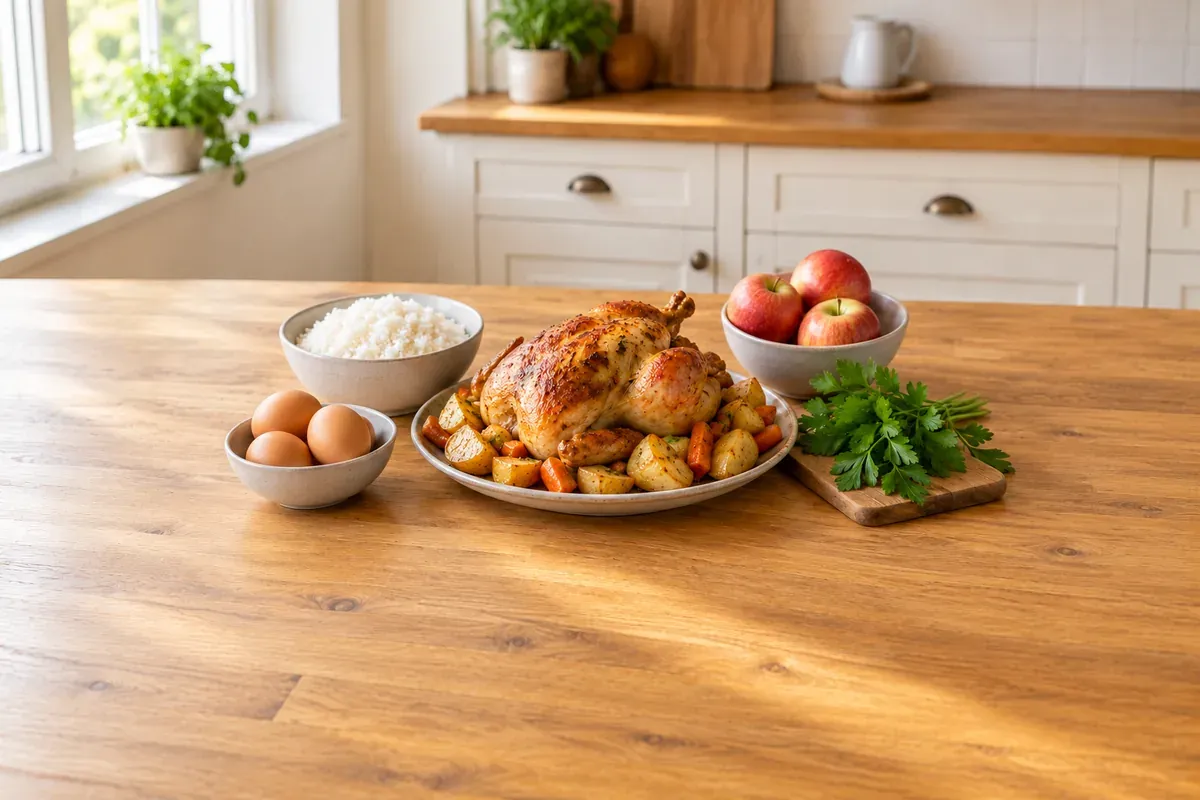
Chicken, turkey, beef, and lamb are on the BDA's eat-freely list when fresh or freshly frozen. Minced and vacuum-packed meat is likely to be lower in histamine, and meat you won't cook that day belongs in the freezer.
-
White fish
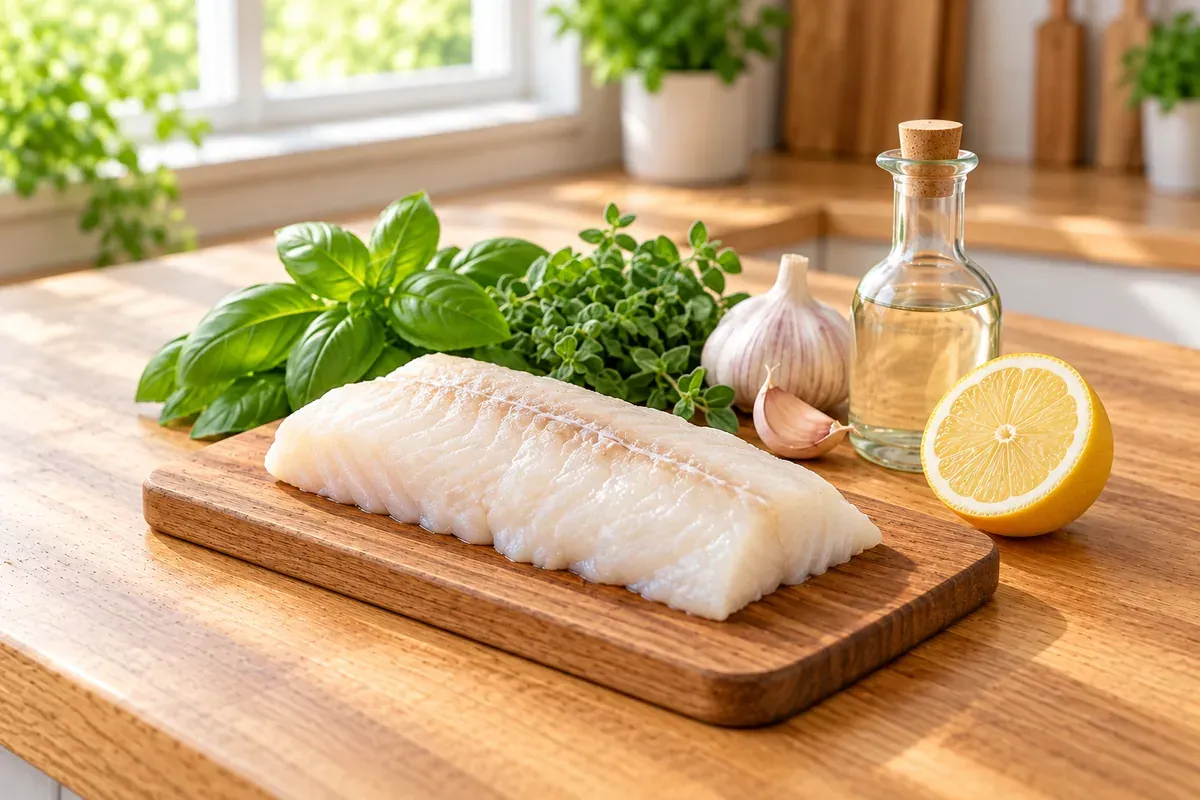
White fish tends to start lower in histamine than oily fish, and the BDA calls freshly frozen fish the safest buy. Histamine that has already formed in fish isn't reduced by cooking or freezing.
-

Vegetables
Very few vegetables are high in histamine, so the BDA recommends plenty of them: carrots, cauliflower, cabbage, kale, lettuce, onions, and potatoes are all on its eat-freely list. Choose fresh produce rather than very ripe or stored.
-

Fruit
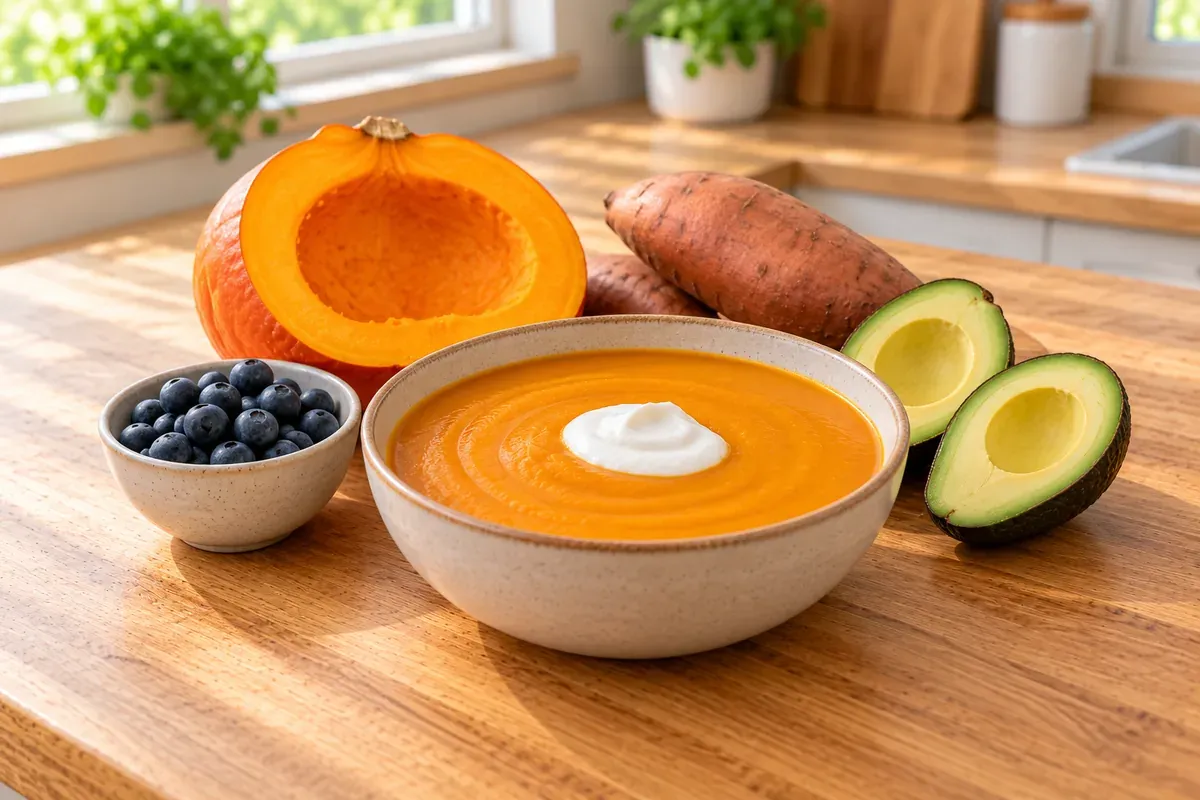
Apples, blueberries, cherries, mango, peaches, and melon are low-histamine picks on the BDA's meal-planning list. Buy them fresh and not overripe.
-
Grains and starches
The BDA lists all grains as fine, including rice, oats, quinoa, buckwheat, millet, corn, and wheat, along with potatoes and sweet potatoes.
-

Eggs and fresh dairy
Eggs, butter, fresh pasteurized milk, and fresh cheeses such as cottage cheese, ricotta, and mozzarella are on the BDA's eat-freely list. Aged cheeses are a different case.
-
Herbs, oils, and seeds
Fresh herbs, salt, pepper, and oils such as olive and sunflower oil are on the BDA's eat-freely list. So are seeds such as pumpkin and sunflower.
-
Beverages
Water and herbal tea are the usual picks. The BDA also lists plant milks such as oat and rice milk as fine.
Foods to avoid on the low-histamine diet
On the low-histamine diet, most lists limit or leave out:
- Aged and fermented foods. Aged cheeses such as Parmesan, cheddar, Gouda, and blue cheese, plus yogurt, kefir, sauerkraut, kimchi, miso, tempeh, and soy sauce. Fermented foods are the one group that all ten lists in a 2021 review excluded.
- Cured, smoked, and canned foods. Salami, ham, bacon, sausages, pâté, smoked or dried fish, canned fish, and pickled foods. Long storage and processing give bacteria time to raise histamine.
- Oily fish, shellfish, and fish that is not fresh. Tuna, mackerel, sardines, anchovies, salmon, shrimp, crab, and lobster are on the BDA's limit list. Fish that wasn't chilled or frozen quickly after catching can be very high in histamine, and cooking doesn't lower it.
- Alcohol. Wine, beer, and champagne are limited by both the BDA and Cleveland Clinic, and the BDA adds cider. The BDA also says alcohol can reduce the activity of the enzyme that breaks histamine down.
- Leftovers and overripe food. Histamine builds up as food sits, so skip fridge leftovers kept for days, food near its use-by date, and very ripe produce. Freeze extra portions right after cooking instead.
- Tomatoes, spinach, eggplant, and some fruit. Tomatoes (ketchup and canned are higher), spinach, and eggplant are limited by both the BDA and Cleveland Clinic. Citrus, bananas, pineapple, strawberries, grapes, and avocado are limited by at least one of them, in some cases because of other amines rather than histamine.
- Nuts, legumes, chocolate, and coffee. Cleveland Clinic limits nuts, peanuts, legumes, soy, and chocolate. The BDA allows most nuts and beans but limits soy, lentils, pistachios, chocolate, coffee, and black and green tea. This shopping list leaves them all out, so you can test them later.
Downsides to know about
- Limited evidence. A 2021 guideline says randomized controlled trials are lacking and the few studies are observational. Histamine intolerance is also not an established diagnosis, and no reliable lab test exists.
- Food lists disagree. A 2021 review of ten published low-histamine diets found that only fermented foods were excluded by all of them. Histamine content could justify only 32% of the foods excluded.
- Broad restriction. Long, broad elimination diets can limit variety and social life, so guidelines frame this as a short trial with expert nutritional guidance. Cleveland Clinic says a dietitian should monitor it and that people with a history of disordered eating should avoid it.
- Hard to control. Histamine levels vary within the same food with freshness, storage, and bacteria, and cheddar alone ranges from 0 to 2,000 mg/kg. Cleveland Clinic adds that there is no great way to measure histamine in food.
People also ask
How do you add foods back after a low-histamine trial?
Add one food at a time, starting with a small portion and raising it to a normal serving over a few days, and write down any symptoms. Stop testing a food if symptoms appear, and remove each tested food before trying the next so you can tell which one caused a reaction. The BDA says to avoid the high-histamine foods for a maximum of 4 weeks before reintroducing them.
Does cooking or reheating remove histamine from food?
No. Histamine and related amines are not affected by heat, so cooked or reheated food stays as high as it was. What helps is freshness: buy fresh, cook soon, and freeze leftover portions right away instead of keeping them in the fridge.
Do headaches or hives mean you have histamine intolerance?
Not necessarily. The symptoms linked to histamine overlap with food allergy, celiac disease, inflammatory bowel disease, and mast cell disorders, and no reliable test confirms histamine intolerance. Guidelines say other causes should be ruled out before starting the diet.
Sources
- Sensitivity to Histamine and other Vasoactive Amines
- Guideline on management of suspected adverse reactions to ingested histamine
- Low-Histamine Diets: Is the Exclusion of Foods Justified by Their Histamine Content?
- Histamine Intolerance - The More We Know the Less We Know. A Review
- A Quick Introduction to the Low Histamine Diet