Blood Type O Diet Food List (O+ and O−) + PDF
The blood type O diet is Peter D'Adamo's eating plan for people with blood type O: high in protein from meat and fish, with wheat, dairy and some grains and legumes limited. This page lists the foods for O+ and O−, and states plainly that studies have not shown the diet works.
- Shopping list
- 55
- Store categories
- 10
- Type
- Blood type diets
Blood type O diet shopping list
55 of 55 items
 Meats
 Fish & seafood
 Fresh grocery
 Dry goods
 Dairy & eggs
 Plant based
 Cans & jars
 Snacks & sweets
 Spices & sauces
 Beverages
How the blood type O diet works
Naturopathic doctor Peter D’Adamo developed the blood type diet in 1996, in the book Eat Right 4 Your Type. It claims your ABO blood type decides how your body handles food. It calls type O the hunter type, tied to a hunter-gatherer past and a high-protein, low-carb way of eating. Harvard Health notes there is no proven link between blood type and digestion, which is the plan’s core premise.
D’Adamo sorts foods into three groups for each blood type: beneficial, neutral and avoid. For type O, his own page puts lean meat, vegetables and fruit at the center. Harvard Health adds fish and olive oil, and says the plan limits grains, beans and legumes. Wheat, dairy and corn are left out, and so are caffeine and alcohol, which means water and herbal tea are the usual drinks.
The shopping list below keeps to foods that show up as beneficial or neutral for type O in D’Adamo’s lists and in published summaries of them. Those summaries differ on details such as butter, goat cheese and some grains. If you follow the plan closely, check each item against the lists in D’Adamo’s book.
What can you eat on the blood type O diet
-
Lean protein
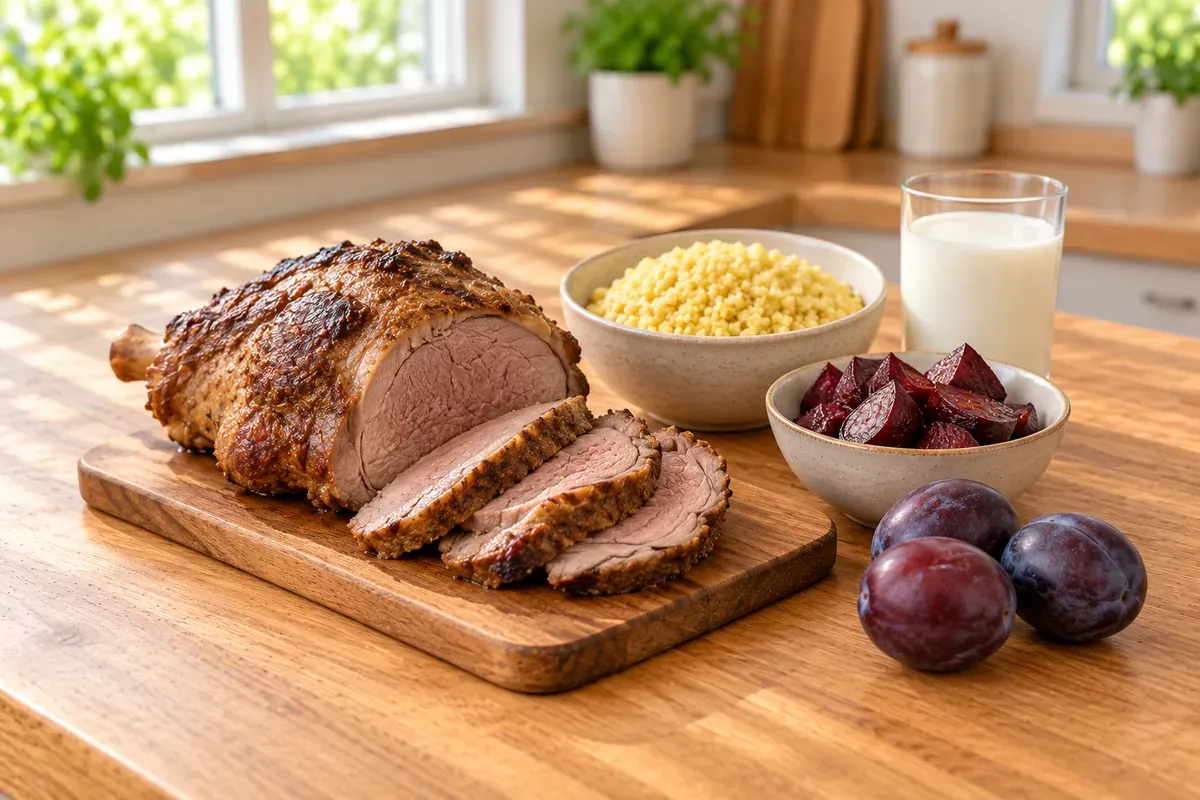
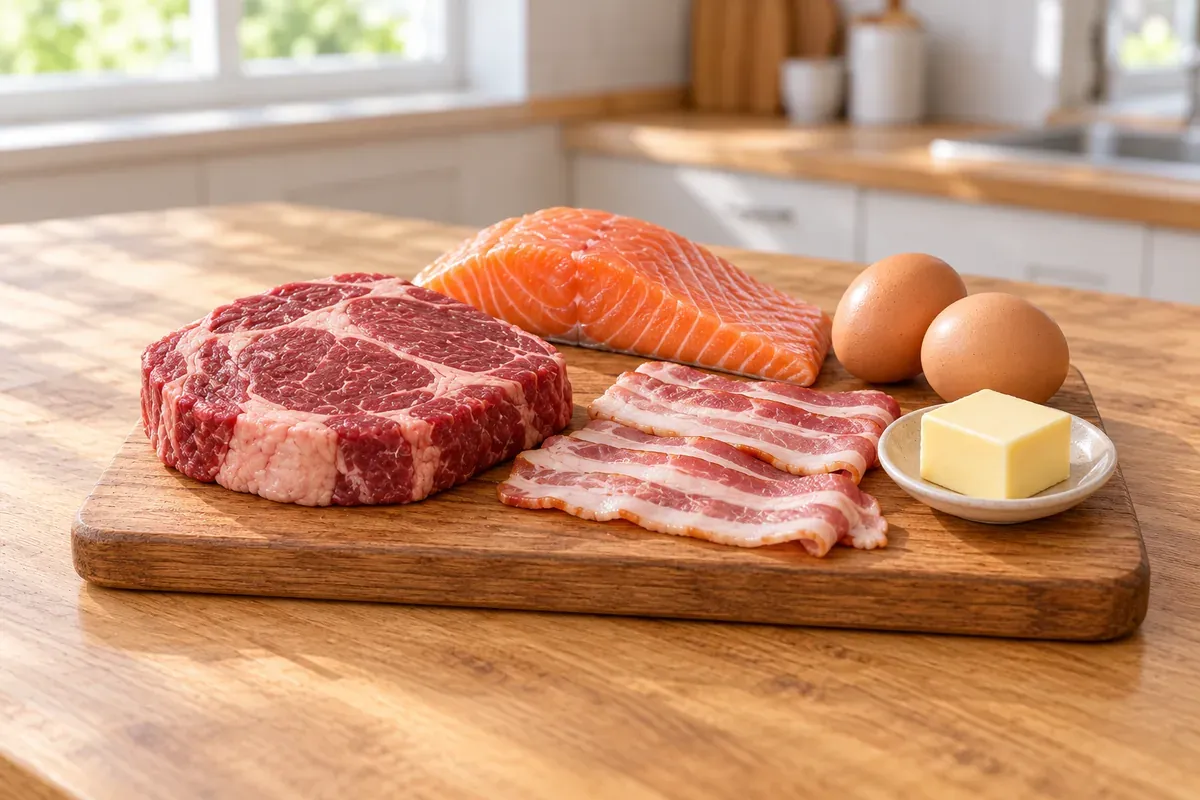
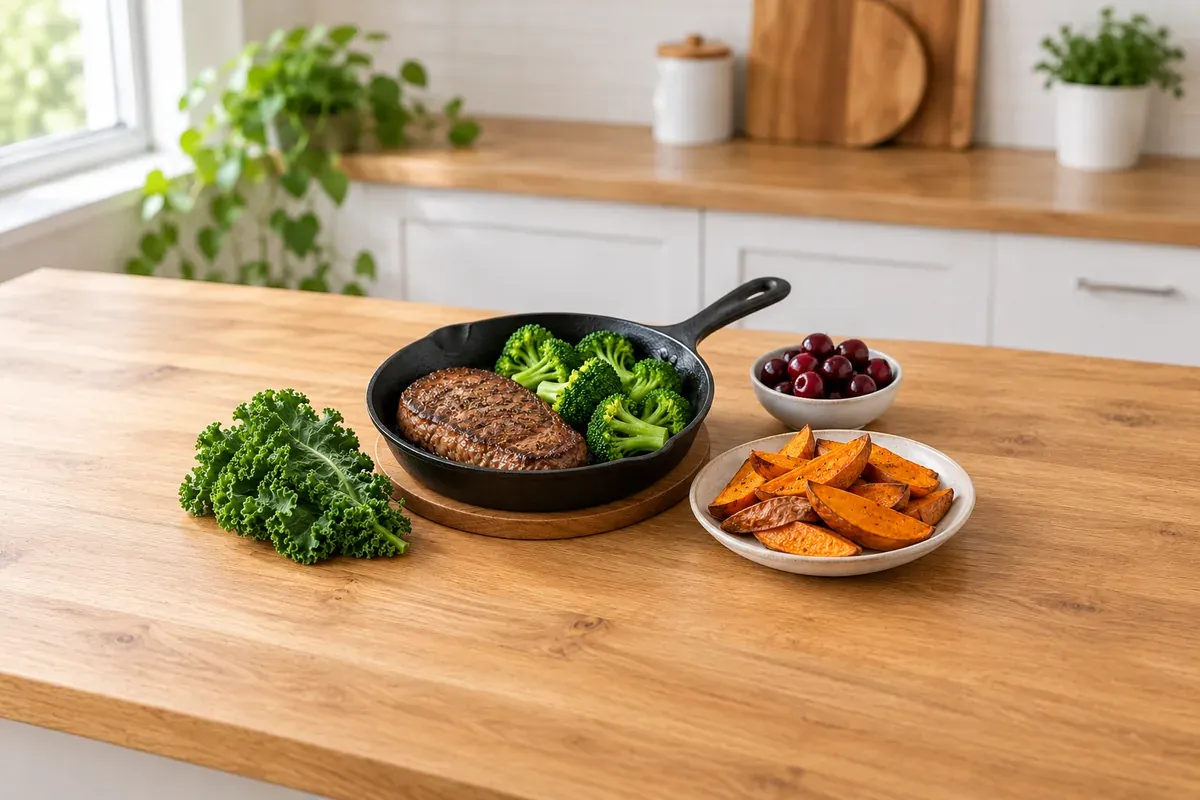
Lean beef, lamb, veal and organ meats such as liver are the core of the plan, and D'Adamo's page describes it as built on lean, organic meat. Chicken, turkey and eggs count as neutral choices.
-
Fish and seafood
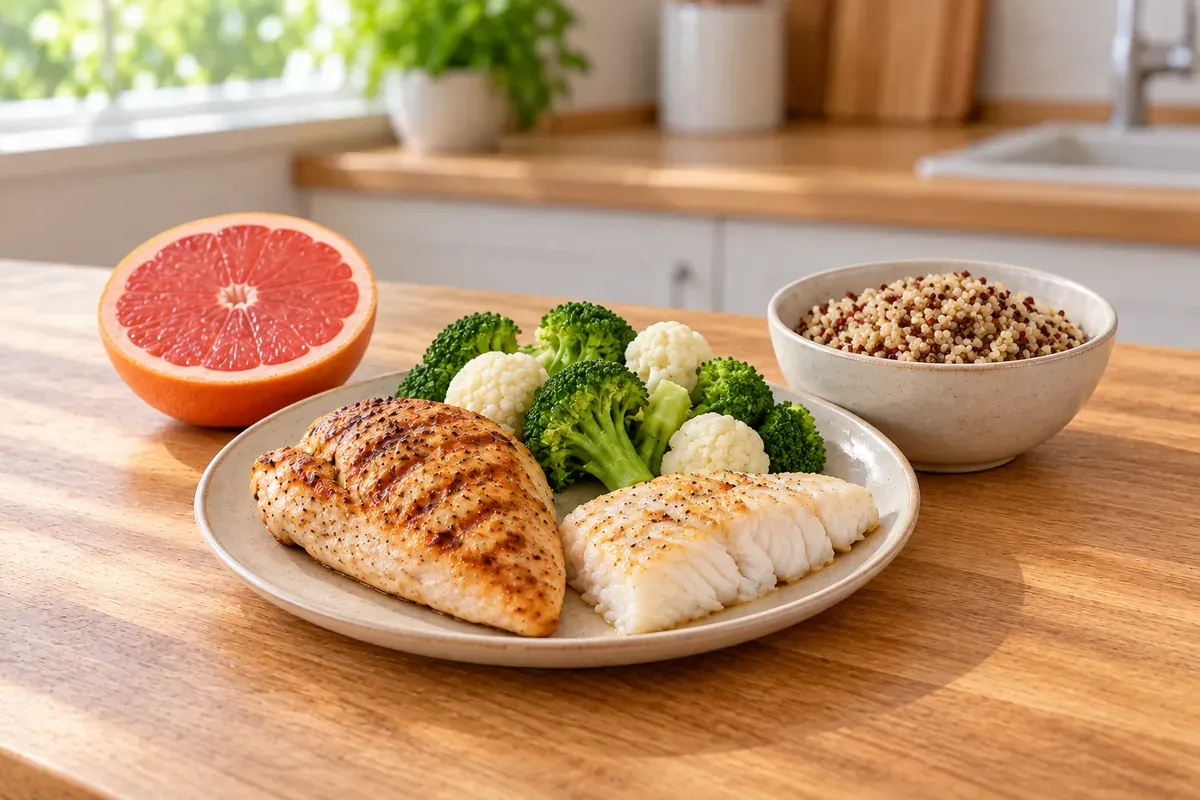
Salmon, mackerel and sardines are staples, and white fish such as cod, halibut and red snapper fit too. Harvard Health lists seafood among the foods the plan recommends.
-

Vegetables
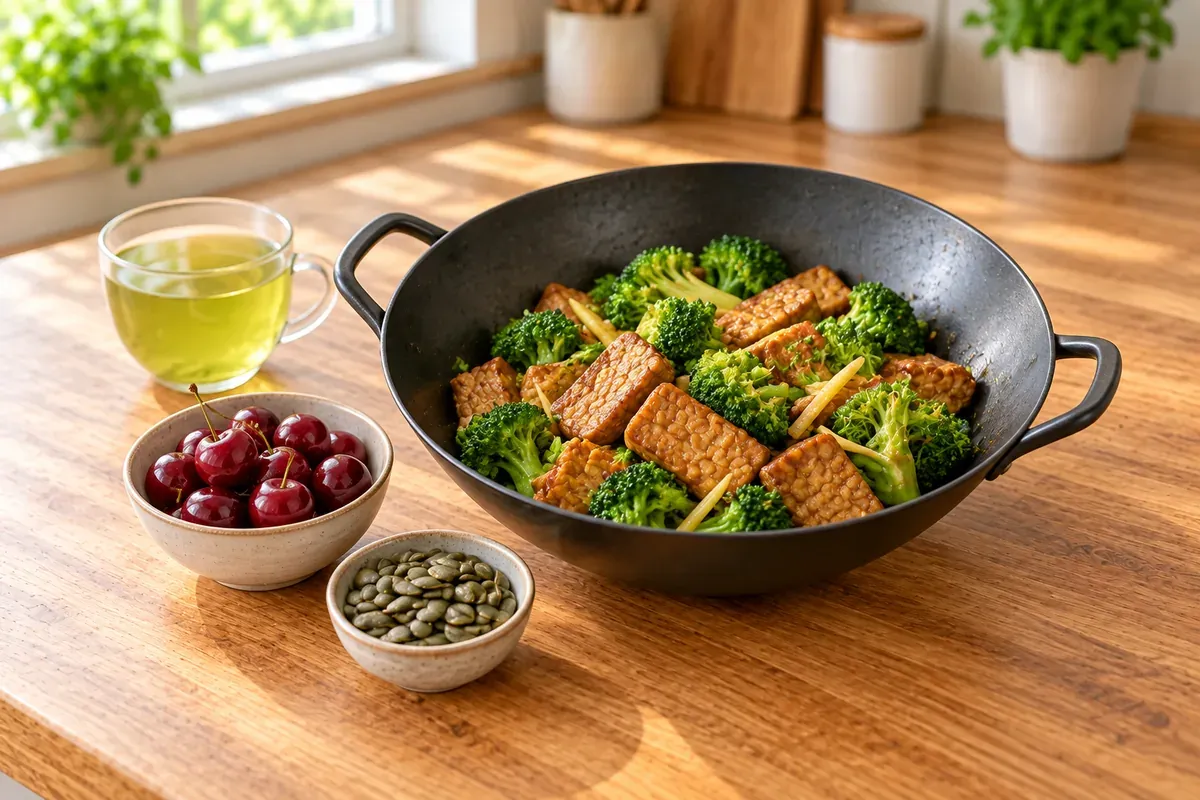
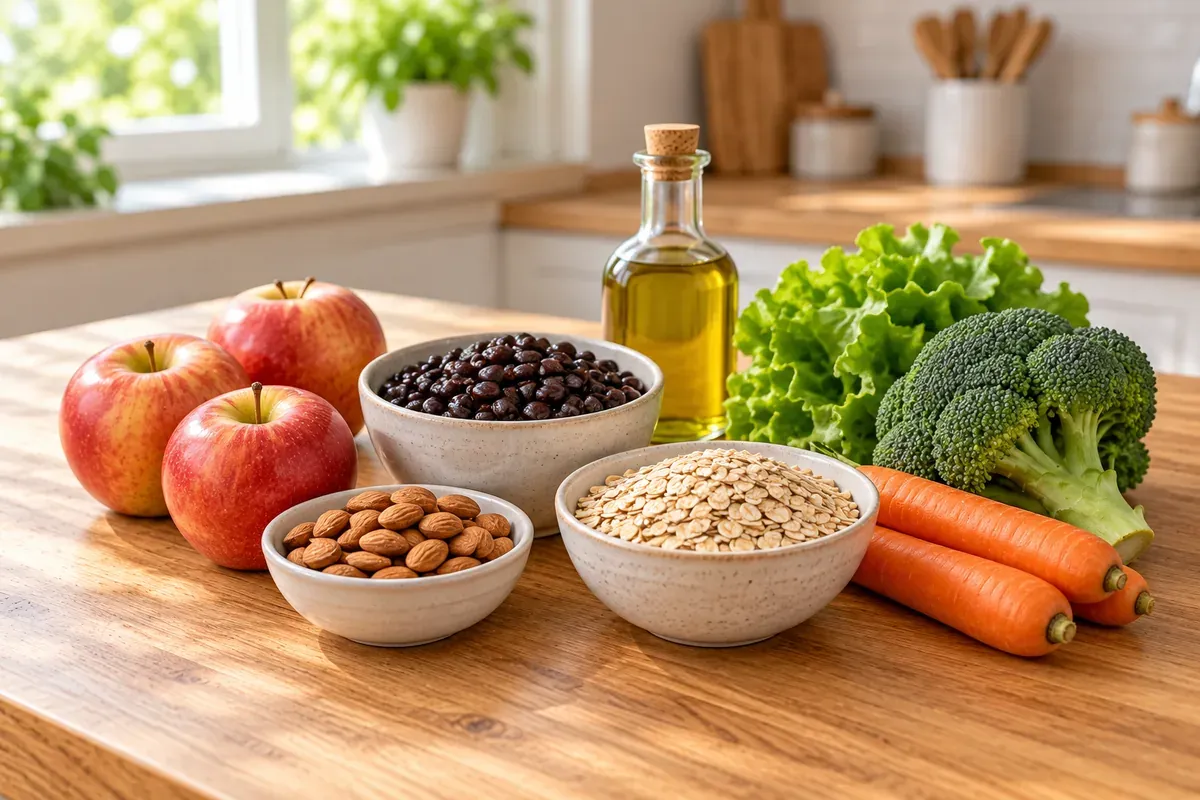
Leafy greens such as spinach, kale and collards are favored, along with broccoli, artichokes, onions, garlic, leeks, sweet potatoes, pumpkin and okra.
-

Fruit
Figs, plums and prunes sit on the beneficial side of the plan. Cherries, blueberries and mango fit as well.
-

Nuts and seeds
Walnuts, pumpkin seeds, almonds and flaxseeds fit the plan. Peanuts do not.
-

Healthy fats and spices
Olive oil is the usual choice for cooking and dressings, and flaxseed oil is a common second. Turmeric, ginger, cayenne pepper and curry powder add flavor.
-
Grains in small amounts
The plan limits grains, so rice and quinoa are the usual neutral picks. Wheat and corn stay out.
-
Beverages
Water and herbal teas such as ginger and peppermint are the usual drinks, because the plan advises against caffeine and alcohol.
Foods to avoid on the blood type O diet
On the blood type O diet, leave out:
- Wheat and wheat products. Bread, pasta, pastries and anything made with wheat flour. D'Adamo's page says many grains contain lectins that can trigger inflammation in type O, a claim that studies have not confirmed.
- Corn and other grains. Corn is on the avoid side, and published lists also name oats, barley and spelt. Lists differ on which grains other than wheat and corn are allowed.
- Dairy. Milk, cheese, yogurt and ice cream. Lists differ on butter and on goat or sheep cheese, so check the one you follow.
- Beans, lentils and peanuts. Most beans and lentils, with kidney beans singled out, and peanuts are on the avoid side.
- Cabbage, cauliflower and Brussels sprouts. These three vegetables are on the avoid list in published summaries of the plan, while broccoli and kale are favored.
- Caffeine and alcohol. D'Adamo's page advises people with type O to avoid both, which rules out coffee, black tea, beer, wine and spirits.
- Processed and fatty meats. The plan favors lean meat, so bacon, sausage and other processed or fatty meats are left out.
Downsides to know about
- No evidence for the blood type link. Research has found no evidence that eating for your blood type gives the claimed benefits. A 2013 systematic review (Cusack et al., American Journal of Clinical Nutrition) screened 1,415 references and found no study showing health effects of blood type diets.
- Results did not follow blood type. In a 2014 observational study of 1,455 people (Wang et al., PLOS ONE), following the type O diet went with lower triglycerides, but the same was true whatever a person's ABO genotype. The authors concluded the results do not support the blood type diet idea.
- Healthy habits may explain the gains. Cleveland Clinic says research points to the benefits people report coming from eating more fruit and vegetables, better-quality grains and less or leaner meat, not from blood type.
- Restrictive and hard to share. The plan cuts wheat, dairy, most beans and caffeine, which narrows what you can buy. Cleveland Clinic calls it hard to follow, especially in households with mixed blood types.
People also ask
Is the blood type O diet different for O positive and O negative?
No. D'Adamo's food lists are organized by ABO blood group, so O positive and O negative use the same list. The plus or minus sign refers to the Rh factor, which the lists do not split by.
Can you follow the blood type O diet as a vegetarian?
It is hard to. The plan is described as high in protein with plenty of meat and fish, and it puts most beans, lentils and peanuts on the avoid side. Eggs, walnuts, pumpkin seeds and almonds are the main non-meat protein choices left.
What replaces bread, pasta and milk on the blood type O diet?
Rice or quinoa can stand in for pasta, and almond or rice milk can replace cow's milk. Wheat bread has no direct stand-in on the plan, so meals tend to be built around eggs, fish or lean meat with vegetables.