Renal Diet Food List for Kidney Disease + PDF
The renal diet is an eating plan for kidney disease that limits sodium and, for many people, potassium, phosphorus, protein or fluid. The limits differ from person to person and are set by the kidney care team. This list covers foods commonly seen as kidney-friendly, meaning lower in sodium, potassium and phosphorus.
- Shopping list
- 57
- Store categories
- 12
- Type
- Diets for health conditions
Renal diet shopping list
57 of 57 items
 Meats
 Fish & seafood
 Fresh grocery
 Dry goods
 Dairy & eggs
 Plant based
 Bakery
 Frozen
 Cans & jars
 Snacks & sweets
 Spices & sauces
 Beverages
How the renal diet works
The renal diet limits some of the nutrients that can build up when the kidneys work less well. Sodium comes up first: NIDDK cites 2,300 mg a day as the ceiling for adults in the Dietary Guidelines for Americans, and says a health care professional sets your own limit, which can be lower. Potassium, phosphorus, protein and fluid are limited for some people, depending on the stage of kidney disease, blood test results and whether they are on dialysis.
Potassium comes with a rule of thumb rather than a daily number: NKF counts a food as higher in potassium at about 200 mg or more per serving. Serving size matters, because a large amount of a lower-potassium food can turn into a high-potassium one. Soaking peeled, thinly sliced vegetables for at least 2 hours in warm unsalted water, using ten times as much water as vegetables, removes some potassium but not all, and the vegetables still count toward your limit.
Protein and fluid depend most on the person. NIDDK says protein needs vary and may rise on dialysis, and that the amount of liquid you should have each day is set by a health care professional. Drinks count toward that limit.
Most of the work happens at the store. NIDDK suggests fresh, frozen or canned fruit and vegetables with no added sauce or salt, foods labeled “no salt added”, and cooking from scratch so you control what goes in. Draining and rinsing canned vegetables and fish removes extra salt, and the liquid from canned fruit and vegetables adds potassium, so skip it.
What can you eat on the renal diet
-

Fruit
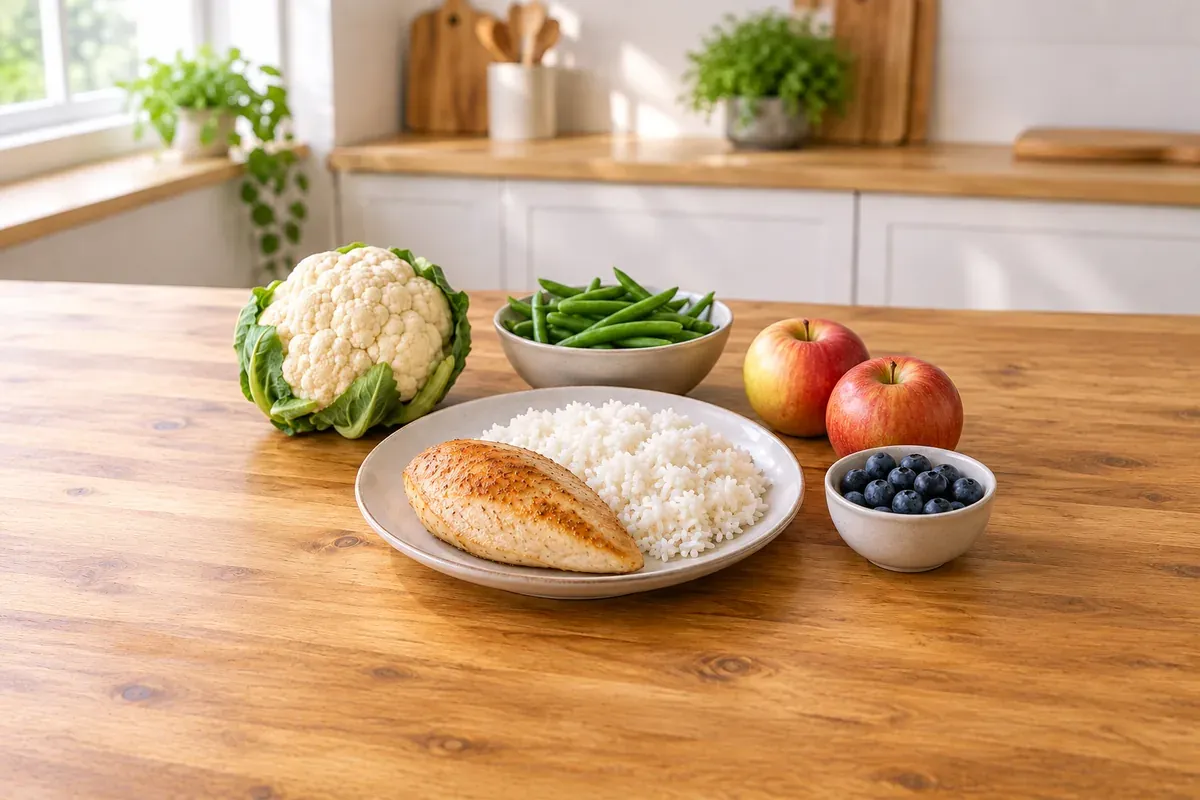
NKF lists apples, pears, peaches, grapes, berries and pineapple as lower-potassium fruit, meaning under 200 mg per serving (usually 1/2 cup). Fresh, frozen or canned all work if there is no added sauce or salt, but drain canned fruit, because the liquid adds potassium.
-

Vegetables
NKF lists cabbage, cauliflower, cucumber, lettuce, onions, peppers, radishes, zucchini, green beans and asparagus as lower-potassium vegetables. Potatoes, tomatoes and cooked spinach are on its higher-potassium list, so they are not on this one.
-
Rice, pasta and bread
NKF lists rice, pasta, noodles and bread that is not whole grain among its lower-potassium foods. Cooking them plain and seasoning at home keeps sodium in your hands, in line with NIDDK's advice to cook from scratch.
-
Lean protein
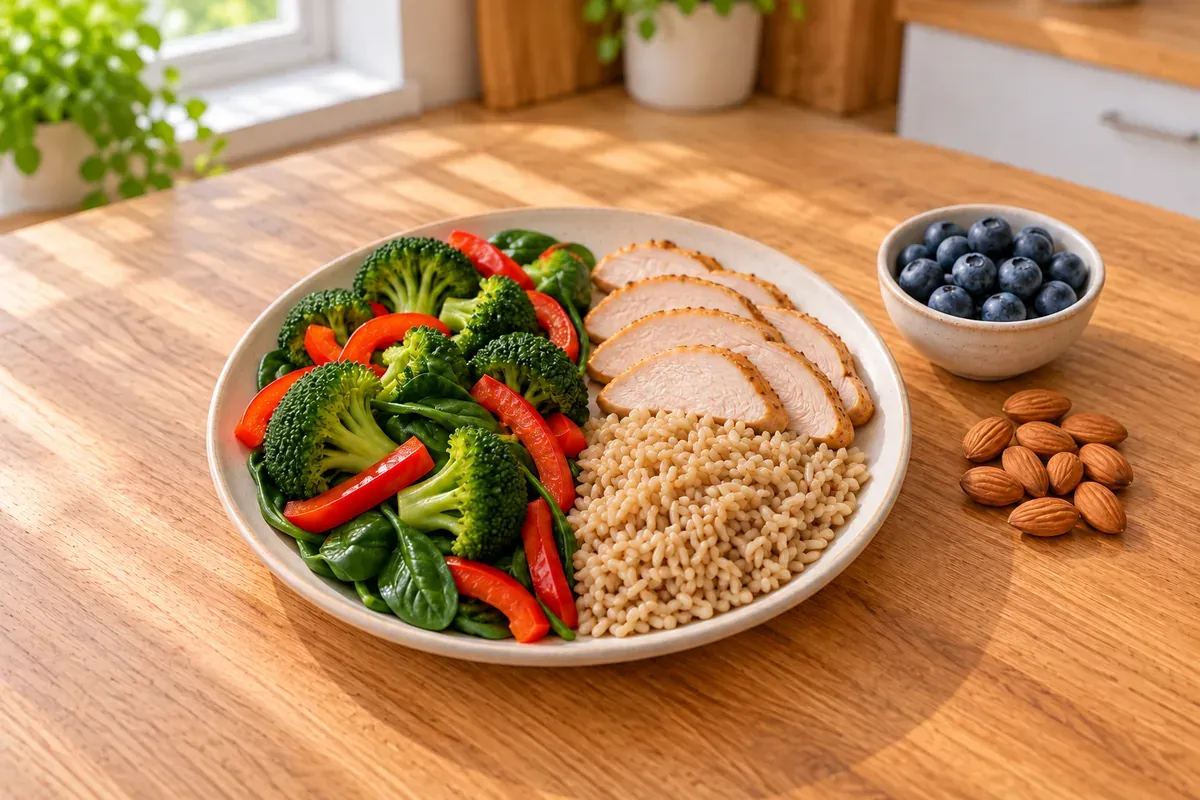
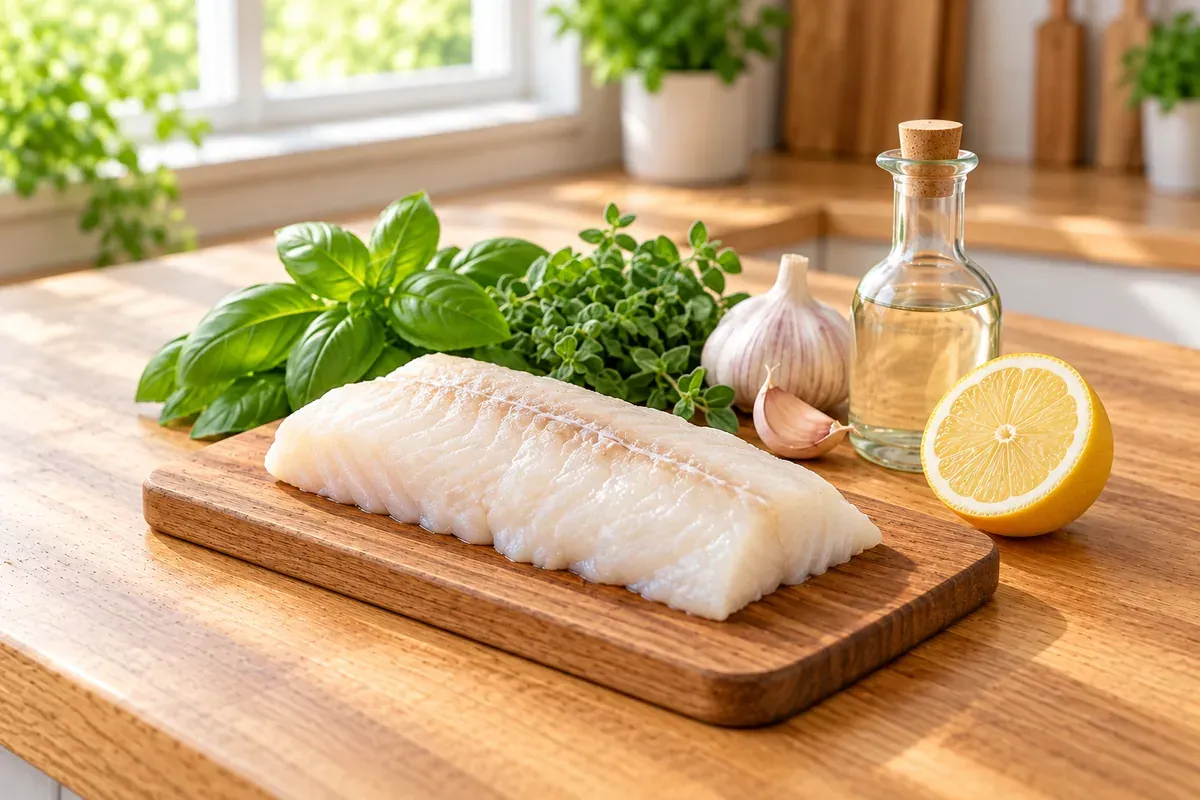
Chicken, turkey, fish, beef and eggs are on NKF's lower-phosphorus protein list, and NIDDK suggests lean meats that are low in phosphorus. Meat still adds minerals, though: a 3 oz serving of beef or chicken is on NKF's higher-potassium list, so portion size matters, and fresh meat beats processed meat, which often carries additives.
-
Plant protein
NIDDK suggests getting more of your protein from plants, and NKF notes that phosphorus in animal foods is absorbed more easily than phosphorus in plant foods. Tofu is the plant protein on this list, while beans and lentils are on NKF's higher-potassium list.
-

Healthy fats
NIDDK recommends unsaturated fats such as canola and safflower oil, and advises limiting saturated fat (red meat, poultry, butter) and trans fat (fast food, fried food, commercially baked goods). Avocados and nuts also appear in that advice, but NKF lists both as higher in potassium, so they are not on this list.
-
Herbs and spices
NIDDK advises using spices, herbs, sodium-free seasonings and lemon juice in place of salt. Salt substitutes are a poor swap, because they add potassium.
-
Beverages
Water, coffee and tea are on NKF's lower-potassium list, with coffee limited to 8 oz and tea to 16 oz, and NKF names apple, cranberry and grape juice among lower-phosphorus drinks. Every drink counts toward a fluid limit, which the care team sets.
Foods to limit on the renal diet
On a renal diet, you may be asked to limit or avoid:
- High-sodium packaged foods. NIDDK lists canned foods, some frozen foods, processed meats, chips, crackers, table salt, ketchup, mustard, and barbecue, soy and teriyaki sauces among the higher-sodium choices.
- Salt substitutes and lite salt. Salt substitutes and foods that list potassium chloride add potassium. NKF puts salt substitutes and lite salt on its higher-potassium list, and NIDDK says to avoid or limit them.
- Higher-potassium fruit and vegetables. NKF's higher-potassium list includes bananas, oranges and orange juice, avocado, cantaloupe, dried fruit, potatoes, tomatoes and tomato products, cooked spinach and pumpkin. A dietitian can say whether soaking (leaching) lets you fit some into your goal.
- Foods with phosphorus additives. Deli meats, hot dogs, bacon, sausage, pizza, most processed and prepared foods, dark colas and bottled drinks with phosphate additives are on NKF's list of foods to limit or avoid.
- Dairy foods. NKF lists milk, cheese, yogurt, ice cream, pudding and cream soups among higher-phosphorus foods, and milk (1 cup) among higher-potassium foods. Rice milk and almond milk appear on its lower-phosphorus list.
- Nuts, seeds, chocolate, beans and lentils. NKF's higher-potassium list names nuts and seeds (1 oz), chocolate, peanut butter, beans, lentils, granola and bran products.
- Organ meats and some seafood. NKF lists beef liver, chicken liver, sardines, oysters and fish roe among higher-phosphorus foods.
Downsides to know about
- No single list fits everyone. NIDDK and NKF give no daily milligram limit for potassium or phosphorus. Sources also disagree on details: a UK hospital leaflet calls carrots lower in potassium and advises wholegrain starches, while NKF lists raw carrots as higher in potassium and names bread that is not whole grain.
- Too little protein is a risk. NIDDK warns that too little protein can cause malnutrition, and needs change with the stage of kidney disease and with dialysis. Protein is something to balance, not simply to minimize.
- Diet alone may not be enough. NKF says that for many people on dialysis, limiting the phosphorus they eat is not enough, and phosphate binders are taken with every meal and snack. A food list is one part of the plan, not the whole of it.
People also ask
How can you spot hidden sodium and phosphorus on a food label?
For sodium, NIDDK says a % Daily Value of 20% or more per serving is high and 5% or less is low. For phosphorus, NKF says phosphorus from food additives is completely absorbed, so check the ingredient list for "PHOS", as in phosphoric acid or sodium tripolyphosphate.
Can you use a salt substitute on a renal diet?
Salt substitutes are usually left out when potassium is limited. NIDDK says to avoid or limit them and foods that list potassium chloride, and NKF puts salt substitutes and lite salt on its higher-potassium list. Herbs, spices and lemon juice are the usual swap.
Does the renal diet change on dialysis?
It can. NIDDK says people on dialysis may need more protein than before, and that peritoneal dialysis removes more protein than hemodialysis. Phosphorus is handled differently too: NKF says phosphate binders are often used on top of a lower-phosphorus diet.