BRAT Diet Food List and Shopping List + PDF
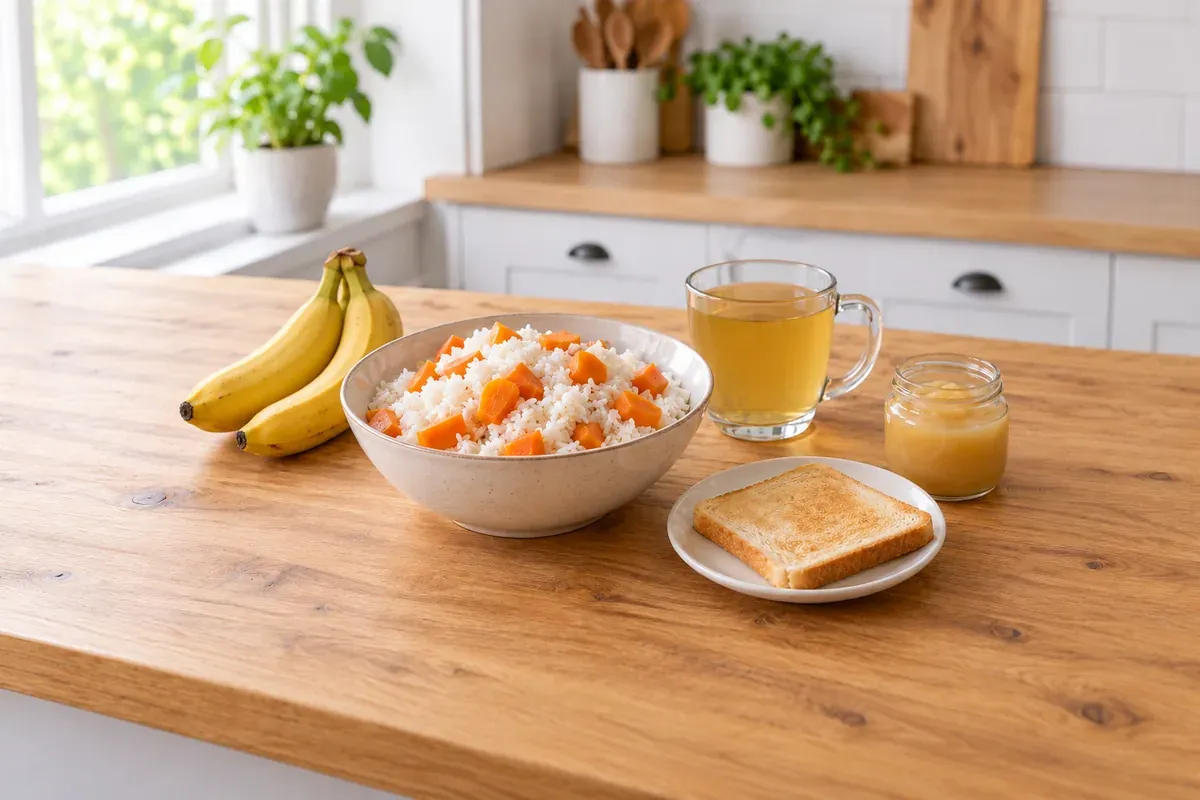
The BRAT diet is a short-term bland diet of bananas, rice, applesauce and toast that adults can follow for a day or two after vomiting or diarrhea. It is low in protein, fat and fiber, and pediatric guidance no longer recommends it for children. This list adds other gentle foods and drinks.
- Shopping list
- 28
- Store categories
- 11
- Type
- Diets for digestive health
BRAT diet shopping list
28 of 28 items
 Meats
 Fish & seafood
 Fresh grocery
 Dry goods
 Dairy & eggs
 Plant based
 Bakery
 Frozen
 Cans & jars
 Snacks & sweets
 Beverages
How the BRAT diet works
The BRAT diet is a short list of soft, bland, low-fiber foods: bananas, rice, applesauce and toast. People turn to it when vomiting or diarrhea makes ordinary meals hard to keep down. Other gentle foods, such as plain potatoes, saltine crackers, oatmeal and broth, are often added.
For adults, the BRAT diet is considered OK for a day or two when you’re at your sickest, and not longer. If you’re vomiting, start with liquids. Once your stomach settles, add eggs, skinless chicken or turkey and cooked vegetables, then go back to your normal diet when you feel like eating.
It’s a stopgap, not a balanced diet. The four foods are low in fiber, protein and fat, so they don’t supply enough nutrition for long. Pediatric guidance has dropped it: for children, the American Academy of Pediatrics advises returning to a normal, age-appropriate diet within 24 hours of getting sick, and infants keep breast milk or formula.
Fluids come first. Sip water, broth or an oral rehydration solution, a liquid with glucose and electrolytes sold at pharmacies. For children, the American Academy of Pediatrics recommends ready-made electrolyte solutions in small amounts, not homemade mixes, juice, soft drinks or sports drinks.
What can you eat on the BRAT diet
-

Fruit
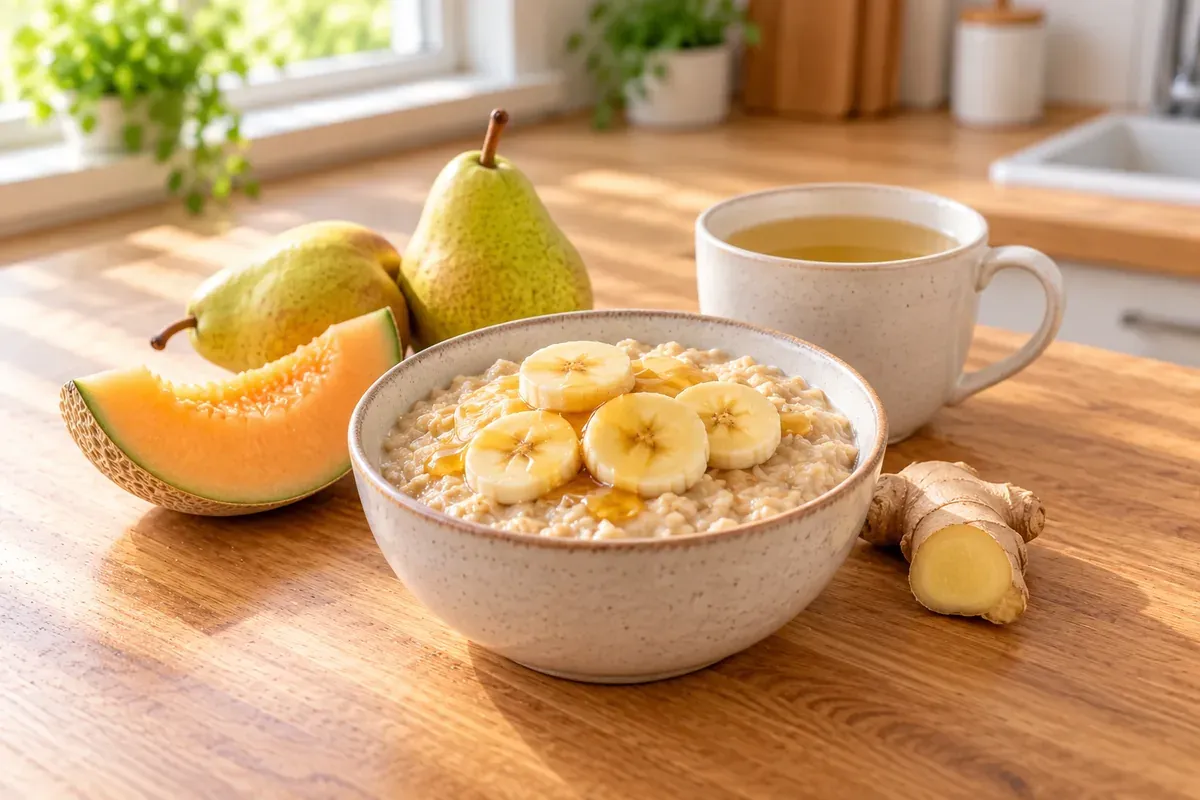
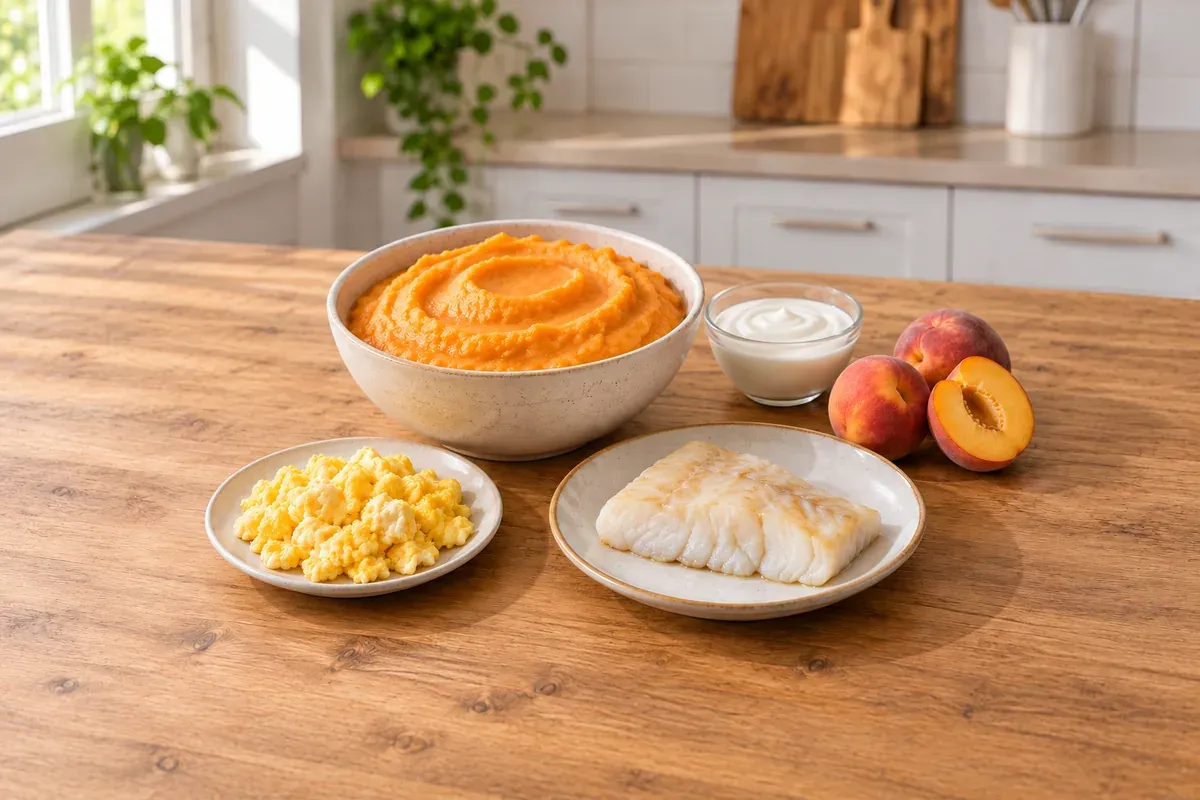
Ripe bananas and unsweetened applesauce are the two BRAT fruits, and both are soft and low in fiber. Canned peaches or pears, packed in water or juice rather than heavy syrup, also appear on bland-diet lists.
-
Rice, bread and cereals
White rice and white toast are the other two BRAT foods. Saltine crackers, plain white pasta and soft hot cereals such as oatmeal or farina are common additions because they stay soft and low in fiber.
-

Vegetables
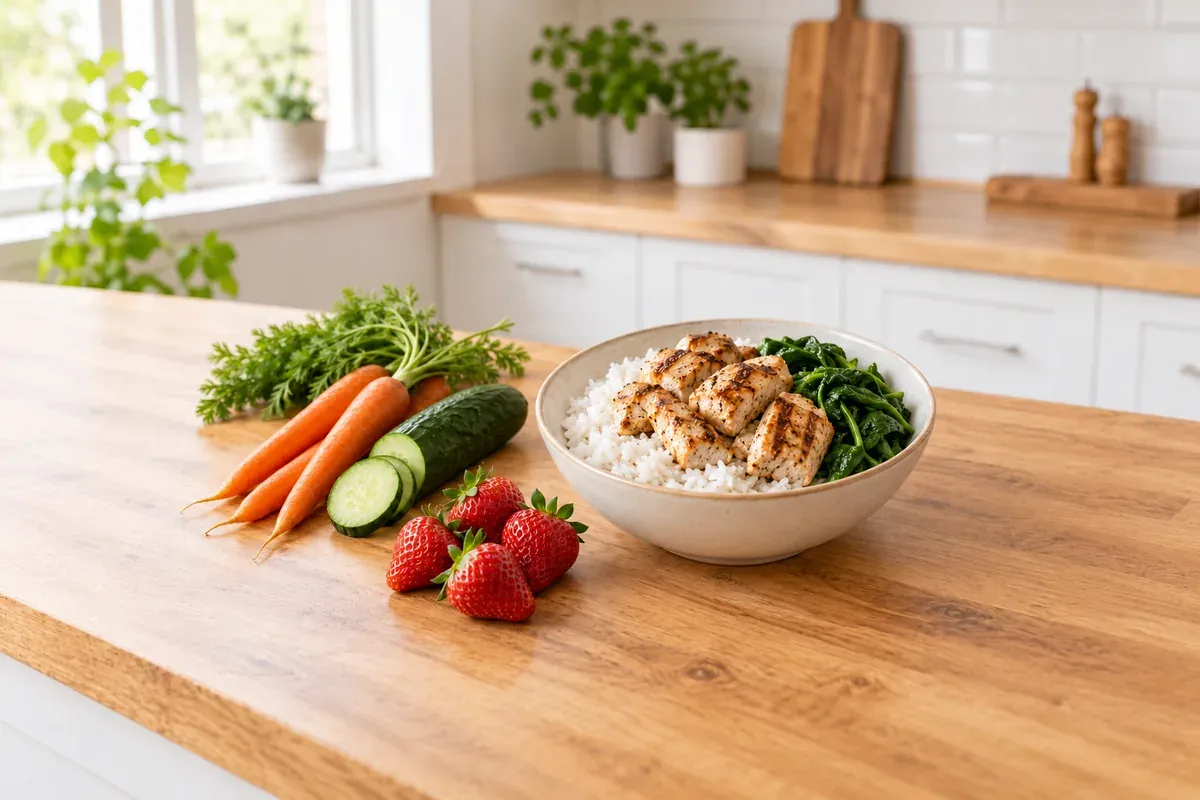
Boiled or baked potatoes are a classic gentle choice. When you're ready for more, try well-cooked, peeled vegetables such as carrots, zucchini and butternut squash. Cooked, canned or frozen vegetables are fine, raw ones are not.
-
Lean protein
The four BRAT foods are low in protein, so once your stomach settles, add eggs, skinless chicken or turkey, white fish or tofu. Steam, bake, boil or grill them with no added fat.
-
Soups and broth
Brothy soups are among the gentle foods Cleveland Clinic lists, and clear chicken or vegetable broth counts as a liquid when you can't keep food down.
-
Beverages
Water, ice chips and weak decaffeinated tea are easy on the stomach. An oral rehydration solution is designed to replace the water and salts lost during diarrhea.
Foods to avoid on the BRAT diet
On the BRAT diet, leave out:
- Fried, greasy and high-fat foods. Fried foods, pizza, fast food and fatty meats are high in fat, which can make acute diarrhea worse.
- Milk and other lactose dairy. Milk, ice cream and other products that contain lactose can make acute diarrhea worse, so leave them out at first.
- Sugary foods and drinks. Candy, desserts, soda and other sweet drinks can make diarrhea worse, and so can sugarless gum and candies made with sugar alcohols. Apple juice and full-strength fruit juices can also loosen stools.
- Alcohol and caffeine. Beer, wine, spirits, coffee, regular tea, cola and energy drinks. Alcohol and caffeinated drinks are both on the NIDDK list of things to avoid with acute diarrhea.
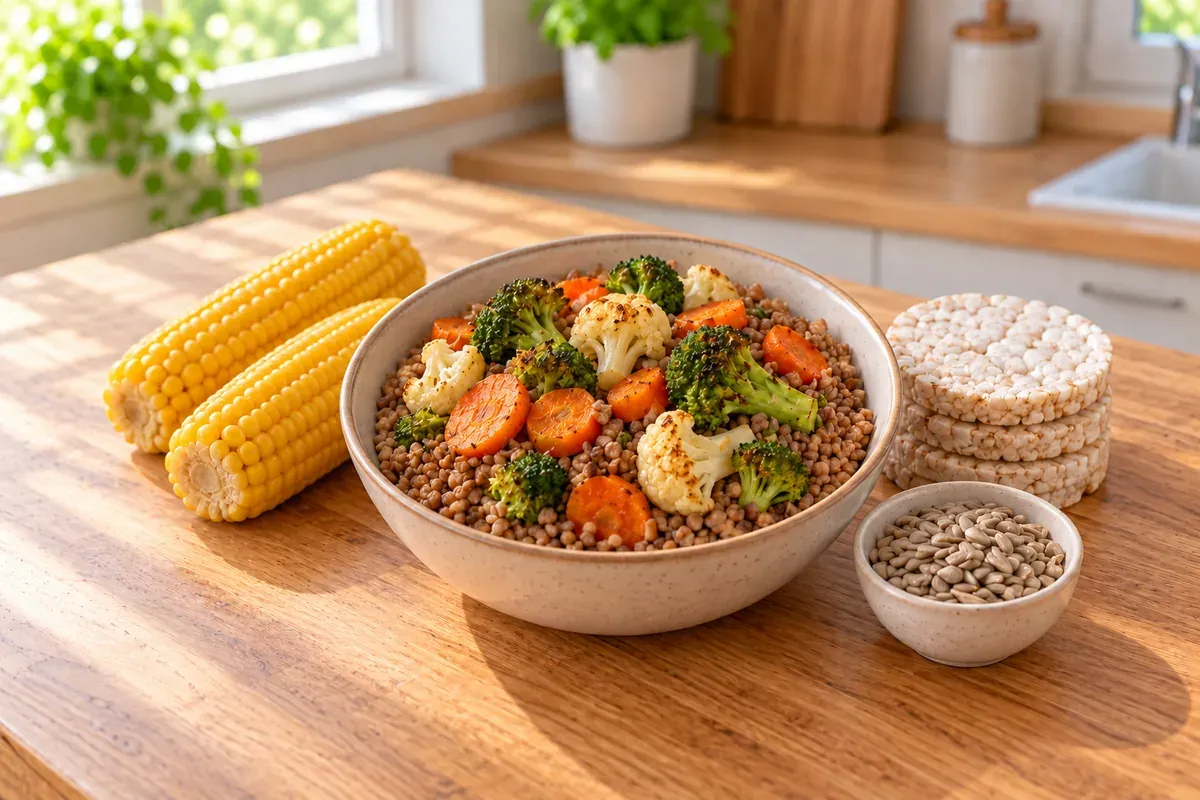
- Raw and gas-producing vegetables. Salads, raw vegetables, broccoli, cabbage, cauliflower and beans are harder to digest and can cause gas.
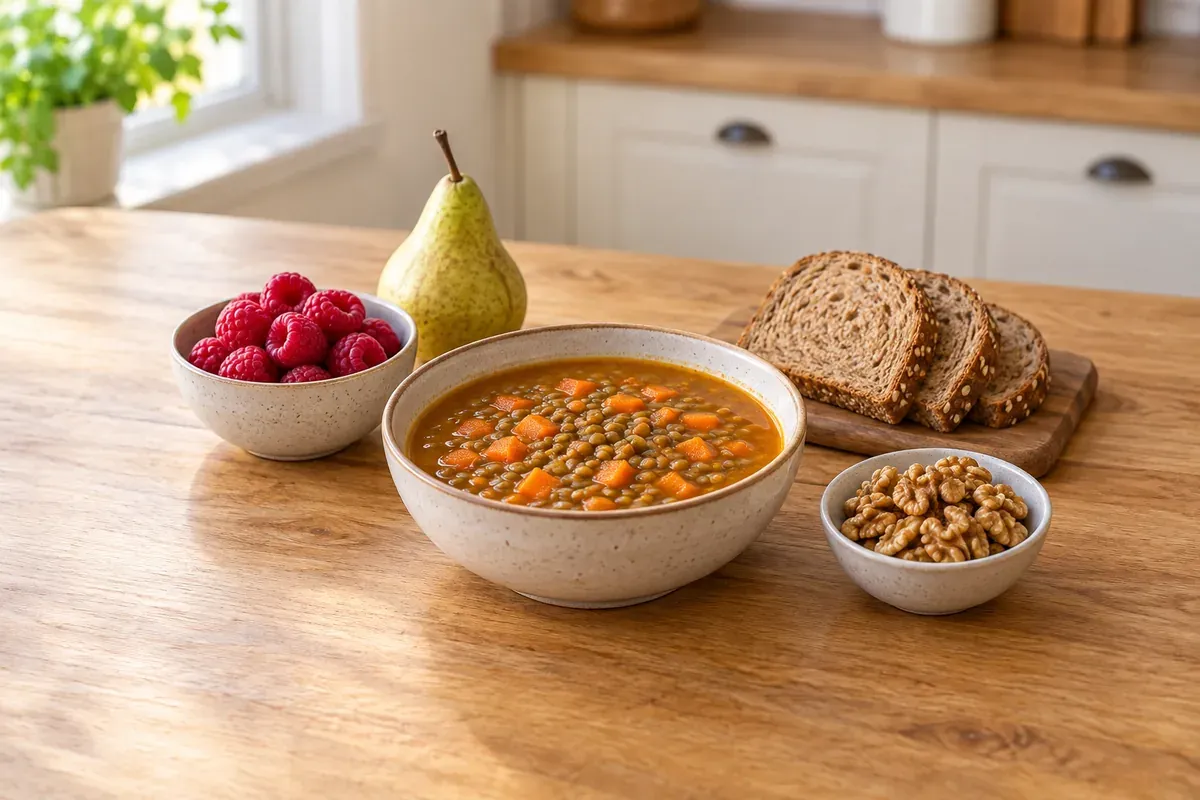
- Whole grains, nuts and seeds. Whole-grain bread, crackers and pasta, bran cereal, nuts, seeds and dried fruit are high in fiber, which this diet keeps low.
- Spicy and heavily seasoned foods. Hot pepper, garlic, pickles, and cured or smoked meats are usually left out of a bland diet.
Downsides to know about
- Low in nutrients. Bananas, rice, applesauce and toast are low in fiber, protein and fat, so the diet lacks enough nutrition (American Academy of Pediatrics). Cleveland Clinic also names calcium and vitamin B12 as nutrients it lacks.
- No longer recommended for children. The American Academy of Pediatrics' parent site calls the BRAT diet no longer considered useful and advises a normal, age-appropriate diet within 24 hours of getting sick. Cleveland Clinic adds that staying on it for more than 24 hours may even slow a child's recovery.
- Short-term only. For adults, a day or two when you're at your sickest is the most Cleveland Clinic considers OK. The NIDDK says that in most cases you can return to your normal diet when you feel like eating, and that most experts don't recommend a restricted diet or fasting for acute diarrhea.
- Gentle, but not a treatment. The foods are easy to keep down, but Cleveland Clinic notes they won't improve nausea. Replacing lost fluids is the priority while you're sick.
People also ask
Does the BRAT diet help with diarrhea or vomiting?
Its foods are soft, bland and low in fiber, so they're easy to keep down, but Cleveland Clinic says they won't improve nausea. The NIDDK notes that most experts don't recommend a restricted diet for acute diarrhea beyond avoiding foods that can make it worse. Replacing lost fluids matters most.
Should children follow the BRAT diet?
No. The American Academy of Pediatrics' parent site says the BRAT diet is no longer considered useful for children because it lacks enough nutrition. It advises a normal diet appropriate for the child's age within 24 hours of getting sick, and infants keep breast milk or formula.
What can I eat after the BRAT diet?
Once your stomach settles, Cleveland Clinic suggests scrambled eggs, skinless chicken or turkey and cooked vegetables, taken slowly. In most cases the NIDDK says you can then return to your normal diet when you feel like eating.