Soft Diet Food List - Gastrointestinal and Dental
A soft diet is made of soft, moist, easy-to-chew and easy-to-digest foods, used after surgery, during illness, or when chewing is hard. The gastrointestinal version is also low in fiber and mild. The dental version is mainly about texture. This list suits both.
- Shopping list
- 55
- Store categories
- 12
- Type
- Diets for digestive health
Soft diet shopping list
55 of 55 items
 Meats
 Fish & seafood
 Fresh grocery
 Dry goods
 Dairy & eggs
 Plant based
 Bakery
 Frozen
 Cans & jars
 Snacks & sweets
 Spices & sauces
 Beverages
How the soft diet works
There are two versions of the soft diet, and they overlap. The gastrointestinal (GI) version is soft, low in fiber, and mild. Cleveland Clinic suggests foods with less than 2 grams of fiber per serving, and MedlinePlus says to skip very spicy, acidic, and fried foods. The dental, or mechanical, version is mainly about texture: foods are chopped, ground, mashed, or pureed so they need little chewing. UW Health uses pieces of ¼ inch or smaller.
A soft diet may be recommended after surgery or radiation on the mouth, head, neck, or stomach. It is also used for digestive conditions such as irritable bowel syndrome, ulcerative colitis, or diverticulitis. It can last several days, weeks, or months, depending on the reason. A soft diet is not a diet for swallowing disorders (dysphagia). Those diets use set texture levels and drink thicknesses chosen by a clinician, and this list doesn’t replace them.
Chew each bite until it has a mashed-potato texture. Eat four to six smaller meals instead of three large ones, and drink at least eight cups of fluid a day. Pudding, ice cream, sherbet, soup, and gelatin count toward that total. Moisten dry foods with gravy, sauce, milk, or cooking water. Once symptoms settle, add fiber-rich foods back slowly, about one new food every two to three days.
After dental surgery, the rules get stricter. UMass Memorial advises no straw for at least a week, because suction can dislodge the clotting blood. It also advises avoiding seeds, spicy and acidic foods, and hot drinks. The NHS says to eat soft or liquid food until you can chew more comfortably.
What can you eat on the soft diet
-
Tender protein
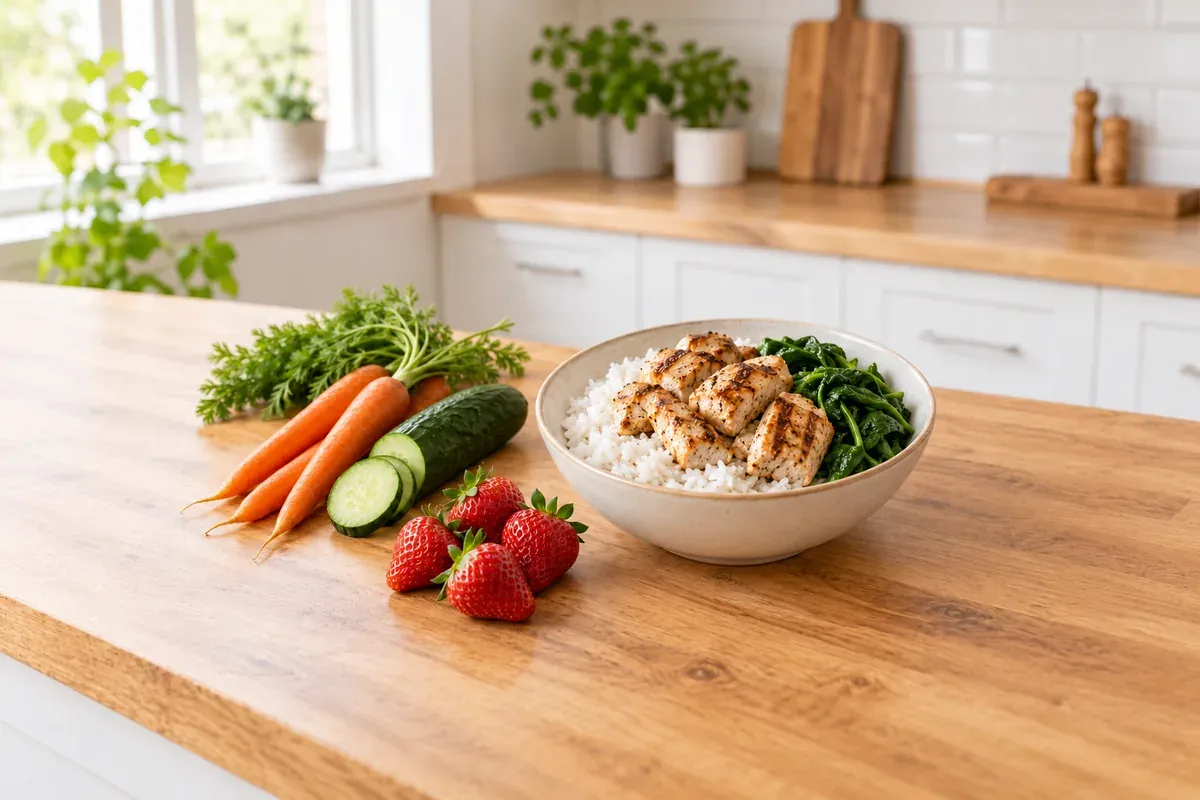
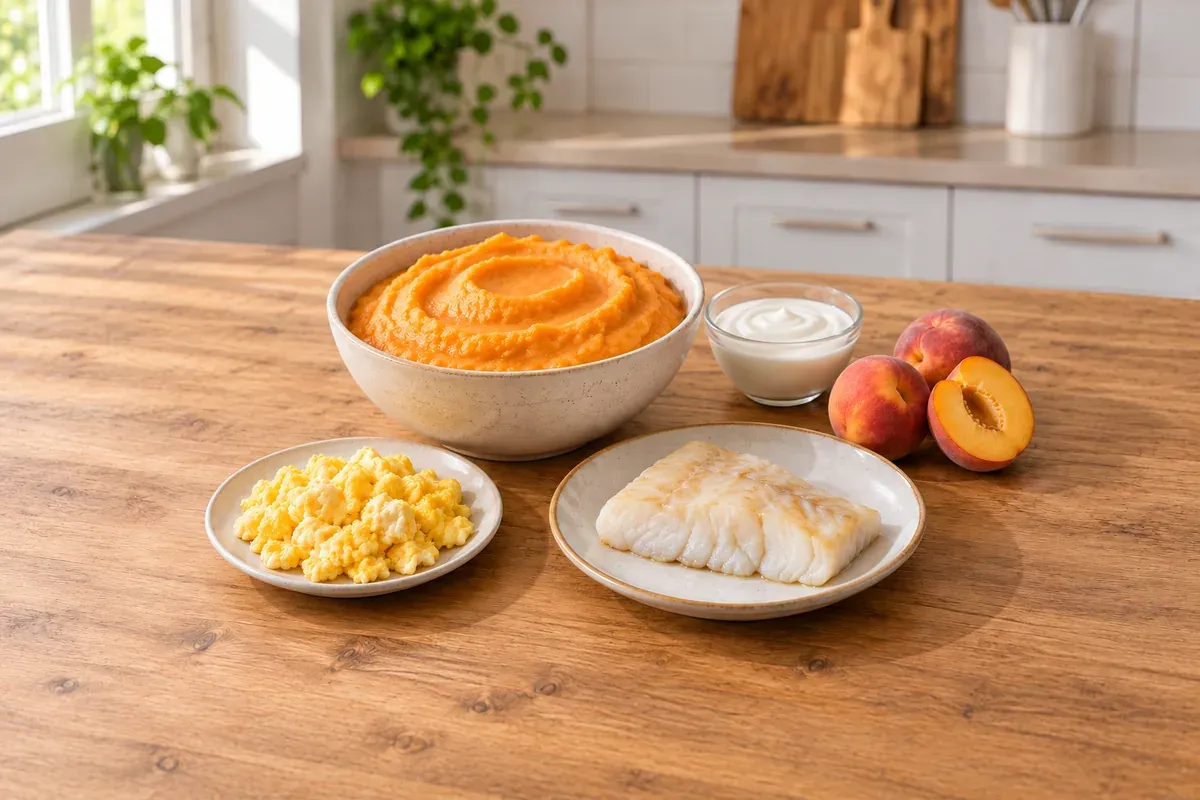
Choose chicken, turkey, ground meat, fish, eggs, and tofu, cooked until moist and tender. Baked, poached, or broiled fish works well, and ground meat can be moistened with sauce or gravy.
-

Vegetables
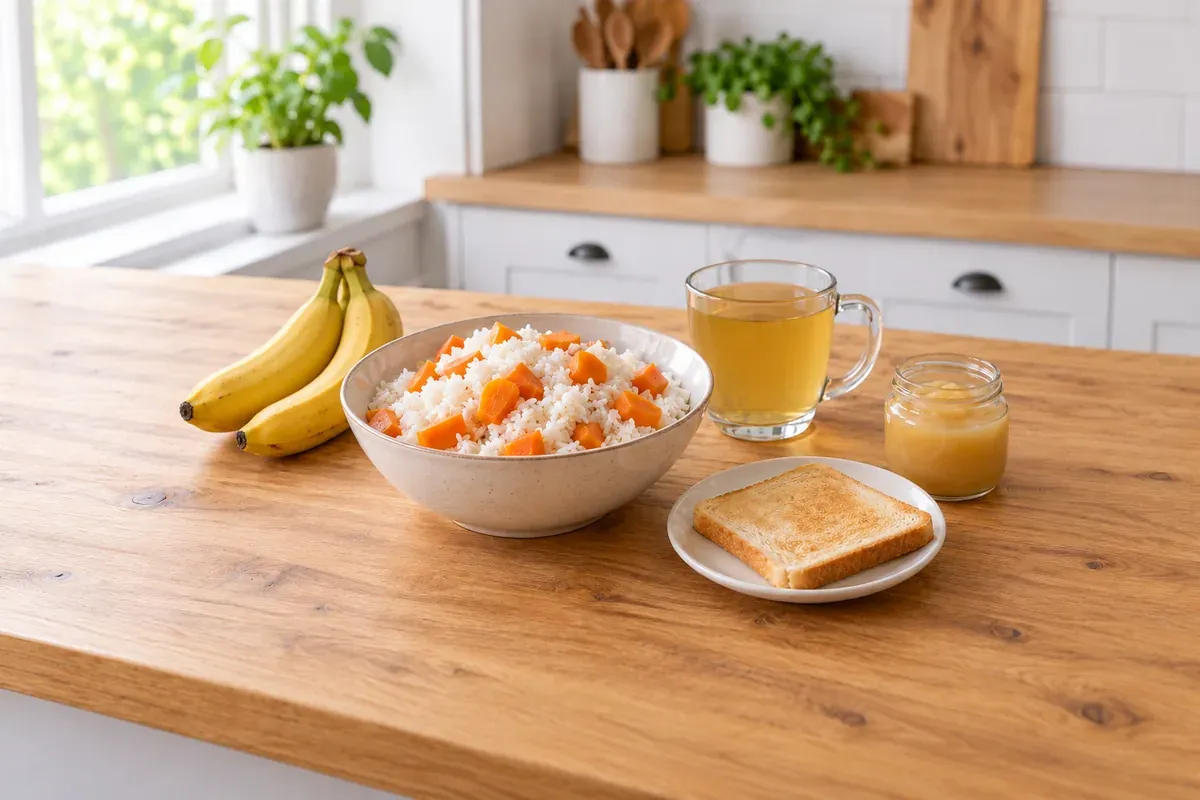
Choose peeled potatoes and well-cooked or canned vegetables without skins or seeds, such as carrots, green beans, and squash. Cook them until a fork mashes them easily.
-

Fruit
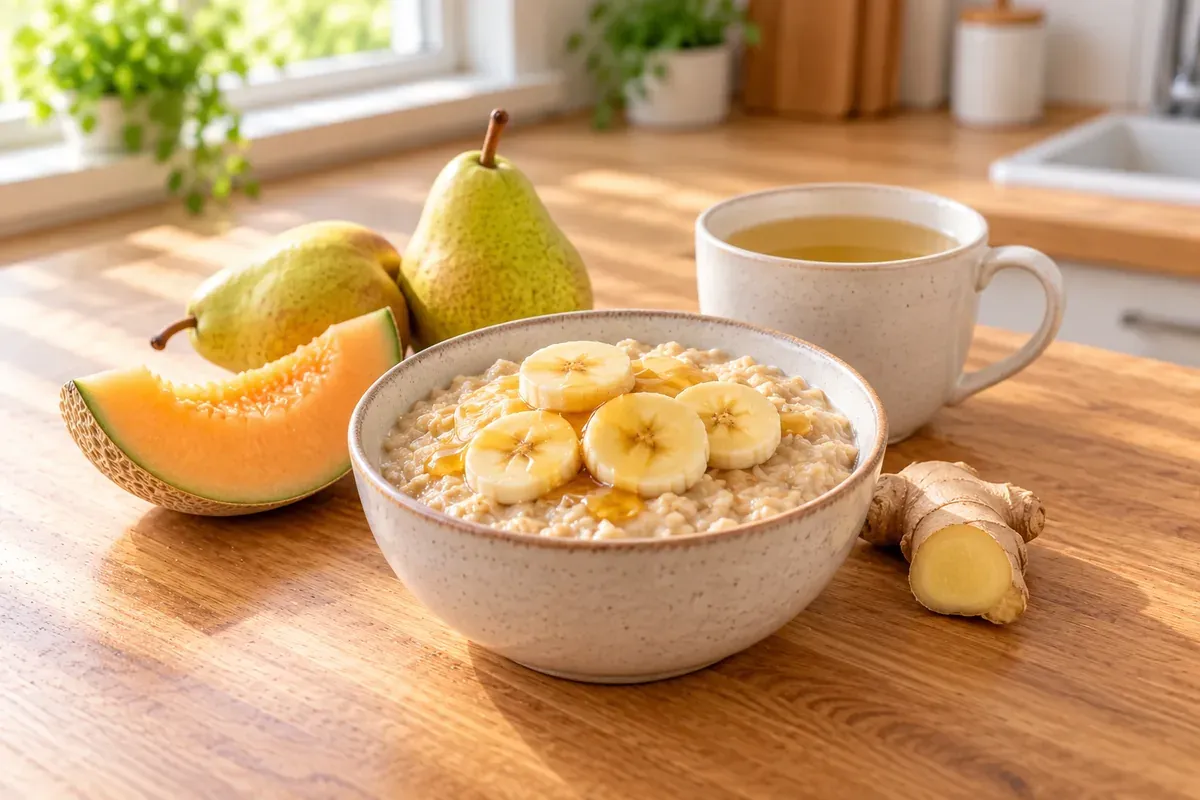
Ripe bananas, avocado, melon, peeled peaches or pears, and applesauce are soft and low in fiber. Juice without pulp is allowed too.
-
Grains and bread
White rice, white pasta, plain white bread, soft rolls, and plain cereals such as corn flakes or cooked farina. Skip anything whole grain or with seeds.
-
Dairy and dairy alternatives
Milk, yogurt without nuts or granola, kefir, cottage cheese, cream cheese, and nondairy milk such as soy milk. Lactose-free versions suit people with lactose intolerance.
-
Soft desserts
Plain pudding, custard, gelatin, ice cream, and sherbet, as long as they have no nuts, dried fruit, or coconut. They also count toward your daily fluids.
-
Soups and beverages
Broth and smooth cream soups without large chunks, plus water and herbal tea. Fortified nutrition shakes can add calories if you eat very little.
-

Fats and sauces
Butter, oils, mayonnaise, smooth mustard, gravy, honey, and seedless jelly add moisture and flavor. Keep seasonings mild: ground herbs and spices are fine, whole spices are not.
Foods to avoid on the soft diet
On a soft diet, leave out:
- Tough, chewy, and fried protein. Gristly or fibrous meat, sausages and hot dogs with casings, shellfish, and fried fish are hard to chew or digest. Beans are also left out of the gastrointestinal version.
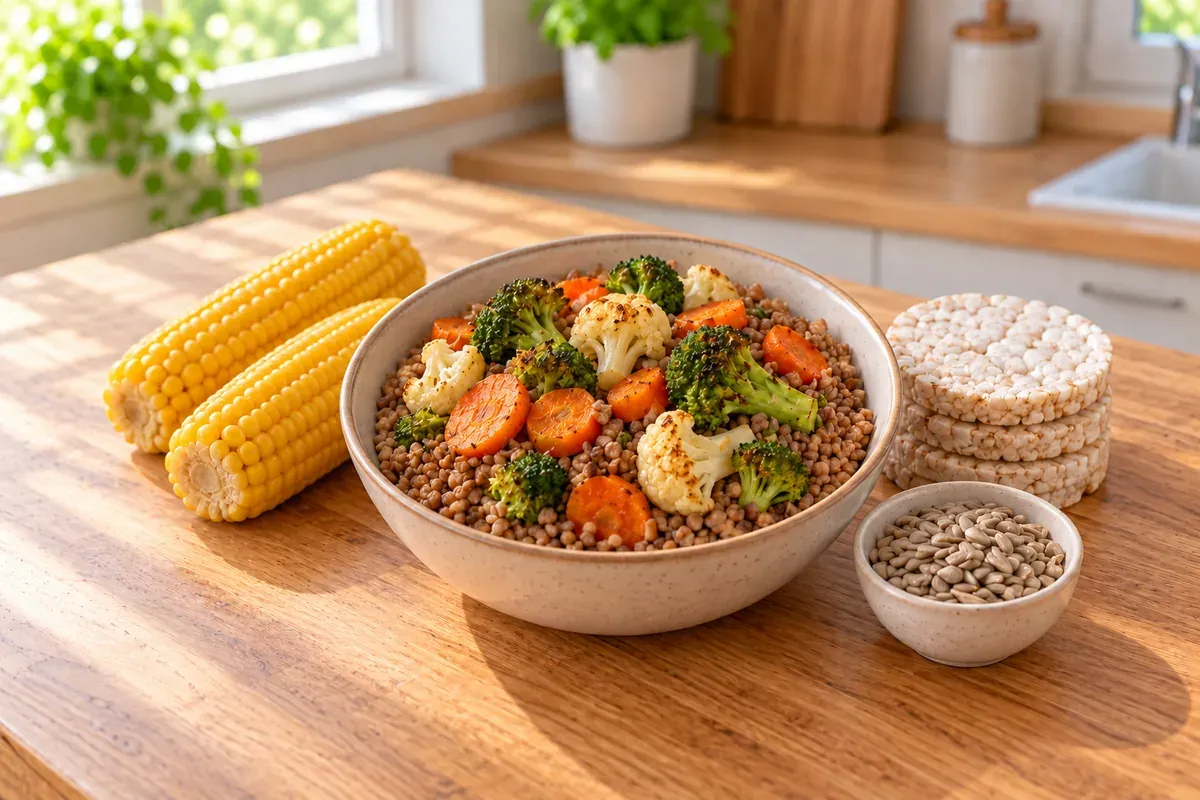
- Raw and fibrous vegetables. Raw vegetables, broccoli, cabbage, onions, corn, asparagus, dark leafy greens, pickles, and sauerkraut. Vegetable skins and seeds are out too.
- Fruit with skins, seeds, or pulp. Dried fruit, berries, pineapple, coconut, pulpy juice, and jam with seeds. They add fiber, and small seeds can catch in a healing wound after dental surgery.
- Whole grains and hard bread. Bran cereal, granola, brown and wild rice, whole-grain bread and pasta, barley, quinoa, and popcorn. Hard crackers, chips, and dry coarse bread are hard to chew.
- Nuts, seeds, and sticky sweets. Nuts, seeds, chunky peanut butter, and desserts with nuts, dried fruit, or coconut. Hard or chewy candy such as taffy, caramel, and licorice is out as well.
- Spicy, acidic, and fried foods. Very spicy or acidic foods and dressings, fried foods, and whole spices or fresh herbs. They can irritate the stomach, or the mouth after dental surgery.
- Carbonated and very hot drinks. Carbonated drinks are left out. After dental surgery, so are alcohol, caffeine, and hot beverages. With digestive symptoms, caffeine and alcohol may also be limited.
Downsides to know about
- Limited variety. The diet allows a narrow set of foods, so it can fall short on nutrients. Cleveland Clinic says a multivitamin or fortified nutrition drink may be needed after two to three weeks.
- Meant to be temporary. MedlinePlus describes the low-fiber version as temporary, for a flare-up or after certain intestinal surgeries. A longer-term low-fiber diet may be needed if the intestine is narrowed or blocked.
- Lists differ between sources. These lists come from hospital patient handouts, and they differ in the details. Oatmeal and mashed beans, for example, are allowed on UW Health's mechanical soft diet but left out of the MedlinePlus low-fiber list.
People also ask
How long do you stay on a soft diet after surgery?
It varies with the surgery or condition: several days, weeks, or months, according to Cleveland Clinic. After wisdom tooth removal, the NHS says to eat soft or liquid food until chewing is comfortable, and symptoms can last up to 2 weeks.
How do you go back to normal food after a soft diet?
Add fiber-rich foods back slowly once symptoms have settled, about one new food every two to three days. If a food causes stomach upset or gas, Cleveland Clinic advises leaving it out for a few days and trying again.
What can you drink after dental surgery?
Water is the simplest choice. UMass Memorial advises no straw for at least a week, because suction can dislodge the clotting blood. It also advises no caffeine, carbonated drinks, alcohol, or hot beverages. Milkshakes and smoothies can be eaten with a spoon.