Diverticulitis Diet Food List and Shopping List + PDF
The diverticulitis diet is the way of eating for diverticular disease, and it changes with the stage: clear liquids, then low-fiber foods during a flare, and a high-fiber diet between flares. The old advice to avoid nuts, seeds, and popcorn is no longer supported. The shopping list covers everyday high-fiber foods.
- Shopping list
- 54
- Store categories
- 12
- Type
- Diets for digestive health
Diverticulitis diet shopping list
54 of 54 items
 Meats
 Fish & seafood
 Fresh grocery
 Dry goods
 Dairy & eggs
 Plant based
 Bakery
 Frozen
 Cans & jars
 Snacks & sweets
 Spices & sauces
 Beverages
How the diverticulitis diet works
Diverticulitis is inflammation of small pouches in the wall of the colon, and what you eat depends on the stage. During a flare of uncomplicated diverticulitis, the American Gastroenterological Association (AGA) advises a clear liquid diet, then a gradual return to solid food as symptoms improve. Clear liquids are broth, juice without pulp, gelatin, and popsicles.
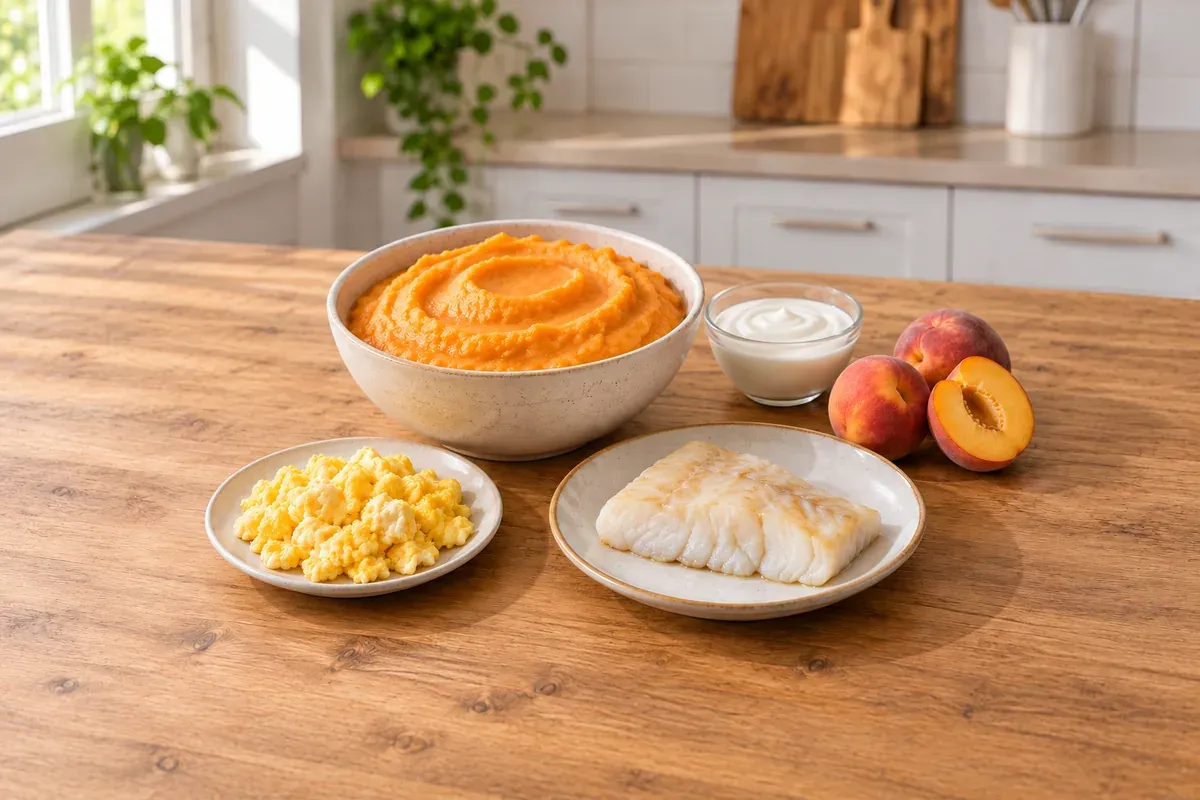
Next comes a temporary low-fiber stage, as a doctor directs. MedlinePlus lists white bread, white pasta, plain dry cereals, eggs, tender meat and fish, and canned or well-cooked fruit and vegetables without skins or seeds. Whole grains, beans, nuts, popcorn, berries, and raw vegetables wait until it ends. UCSF Health describes adding 5 to 15 grams of fiber a day once symptoms improve, usually within 2 to 4 days, and going back to a high-fiber diet when they’re gone.
Between flares, the diet is high in fiber. The Dietary Guidelines for Americans recommend 14 grams per 1,000 calories, which is 28 grams a day on 2,000 calories, according to the National Institute of Diabetes and Digestive and Kidney Diseases (NIDDK). UCSF Health sets a target of 25 to 30 grams, advises adding fiber gradually to avoid bloating, and recommends at least 8 cups of fluid a day. The shopping list below is built for this everyday stage.
Nuts, seeds, and popcorn used to be on the avoid list. NIDDK says more recent research suggests they aren’t harmful, and the AGA says nut, corn, and popcorn consumption isn’t associated with a higher risk of diverticulitis. They’re left out only during the low-fiber stage of a flare, because of their fiber.
What can you eat on the diverticulitis diet
-

Fruit
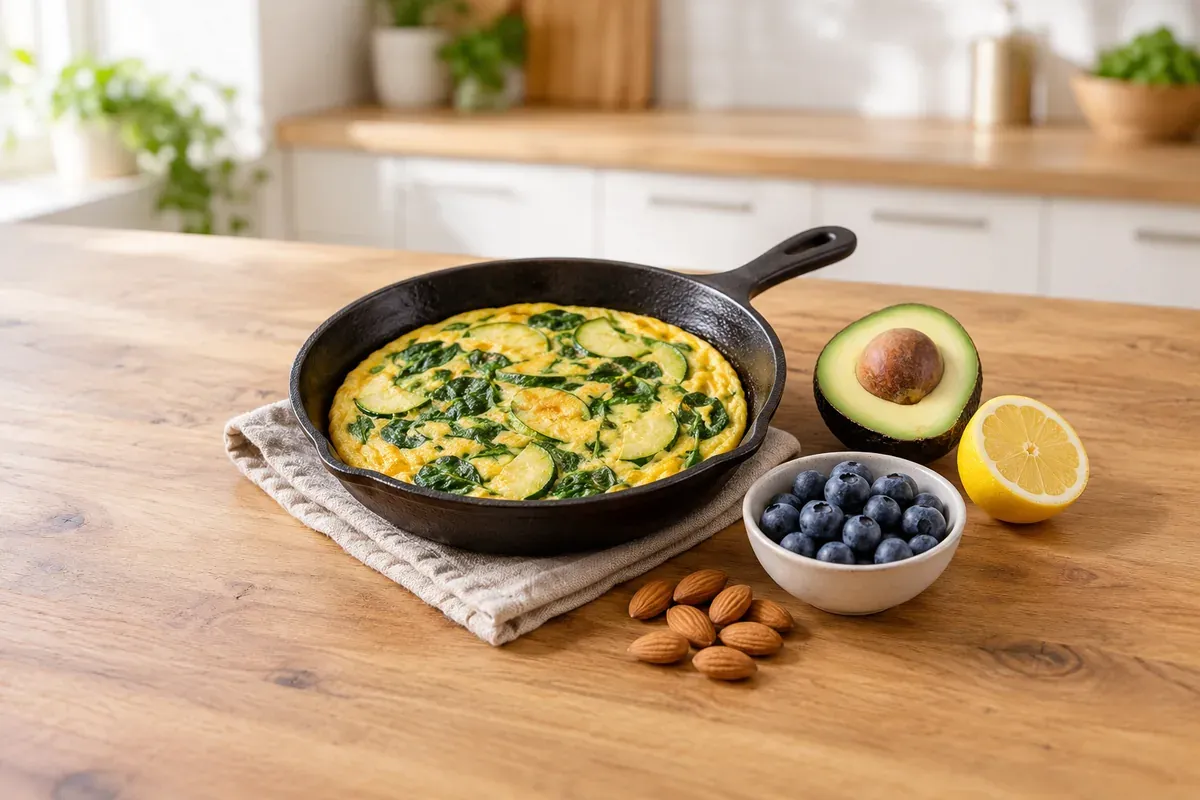
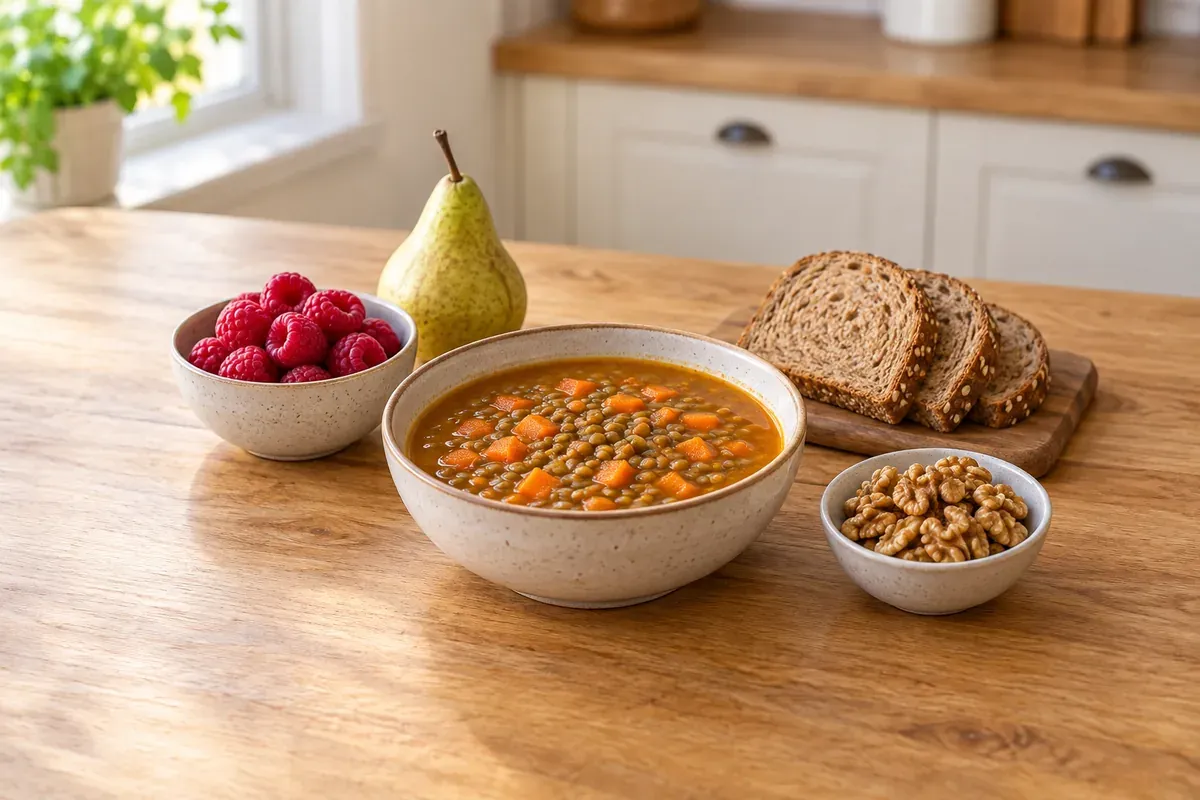
On NIDDK's high-fiber list, 1 cup of raspberries has 8.0 grams of fiber, 1 medium apple with skin has 4.8 grams, and 1 medium Asian pear has 6.5 grams. The AGA says small-seeded fruit such as strawberries and blueberries isn't linked to diverticulitis risk.
-

Vegetables
NIDDK gives 1 cup of cooked sweet potato 6.3 grams of fiber, cooked broccoli 5.2 grams, and cooked collard greens 4.8 grams. UCSF Health also lists carrots and squash.
-

Legumes
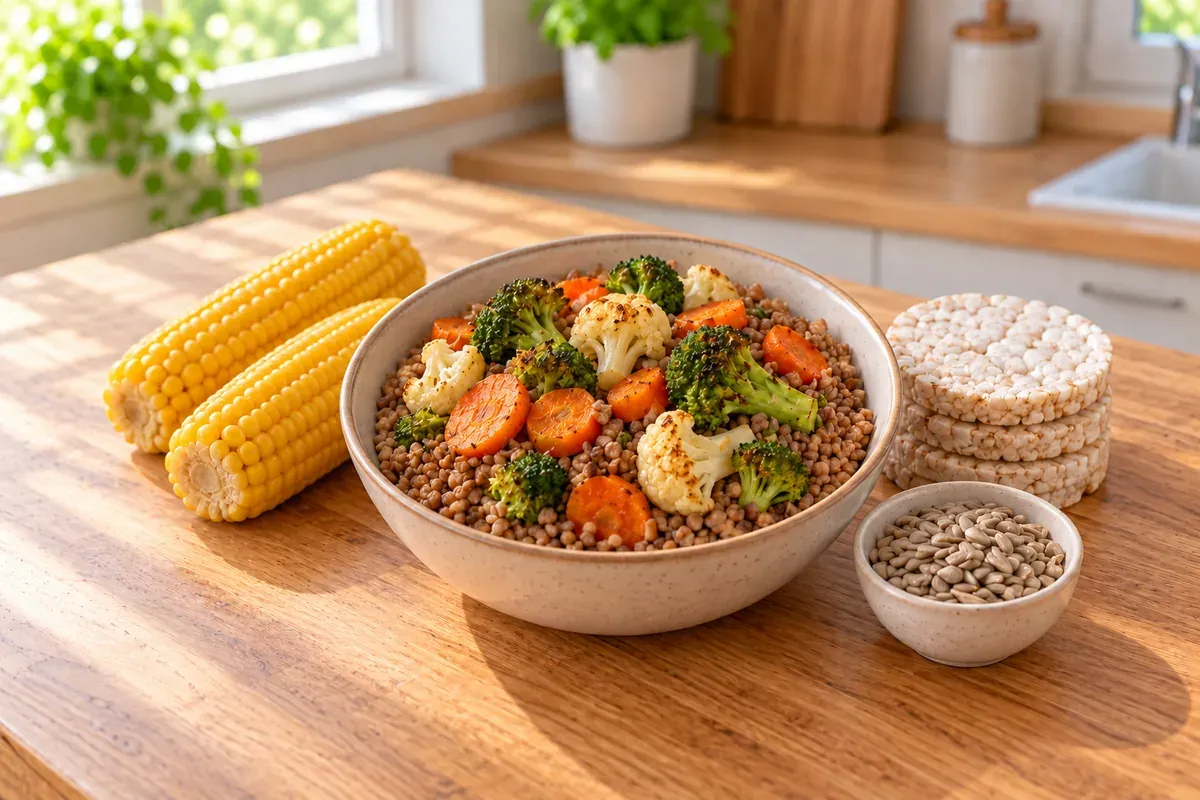
Per ½ cup cooked, NIDDK lists lentils at 7.8 grams of fiber, pinto beans at 7.7, chickpeas at 6.3, and kidney beans at 5.7. Cooked green peas have 8.8 grams per cup.
-
Whole grains
NIDDK lists ½ cup of unsweetened high-fiber cereal at 14.0 grams of fiber, ½ cup of cooked bulgur at 4.1, and 1 ounce of whole-wheat crackers at 2.9. UCSF Health also names oatmeal, brown rice, and whole-wheat pasta.
-

Nuts and seeds
UCSF Health says to eat popcorn, nuts, and seeds as tolerated when the colon isn't inflamed. Choose whole nuts and plain popcorn, or stir chia seeds and flaxseeds into oatmeal and yogurt.
-
Protein and dairy
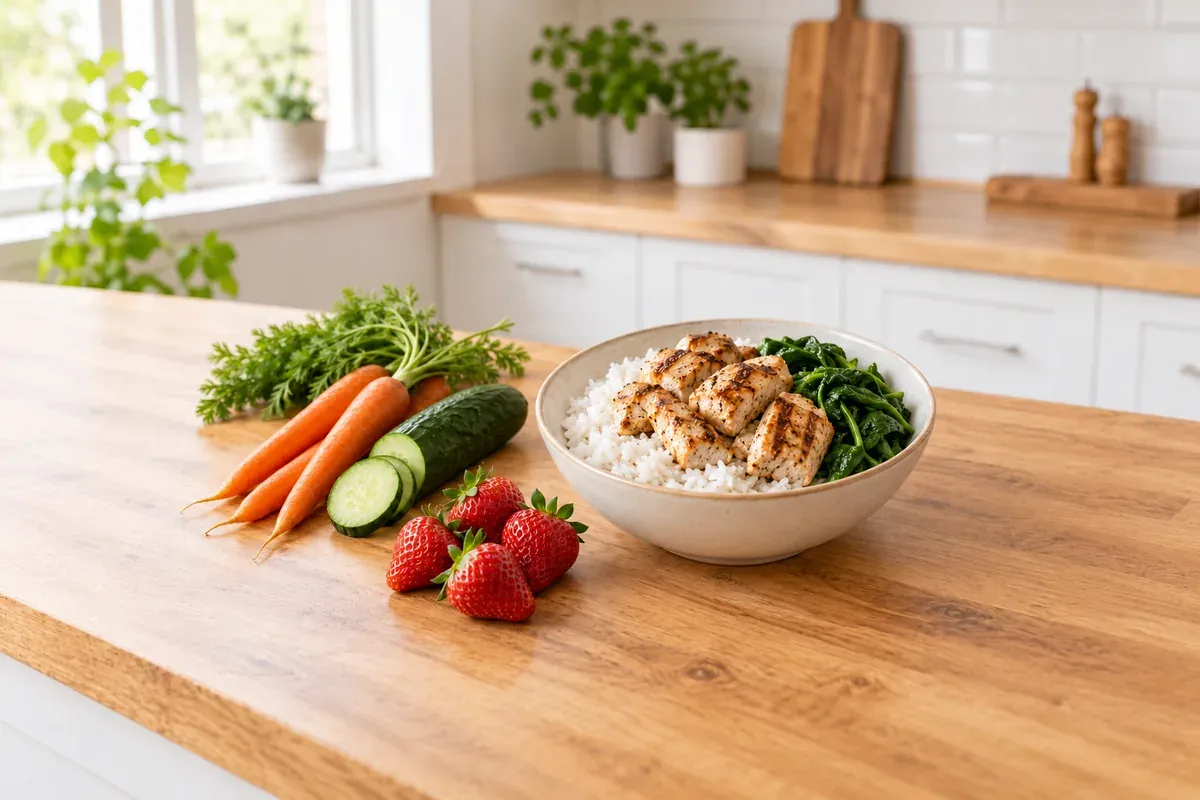
Poultry, fish, eggs, and tofu fit in when you eat less red meat. Yogurt and cottage cheese are other protein options.
-
Beverages
UCSF Health recommends at least 8 cups of fluid a day, which helps soften stool. Water is the simplest choice, and tea and broth count toward the total.
-
During a flare
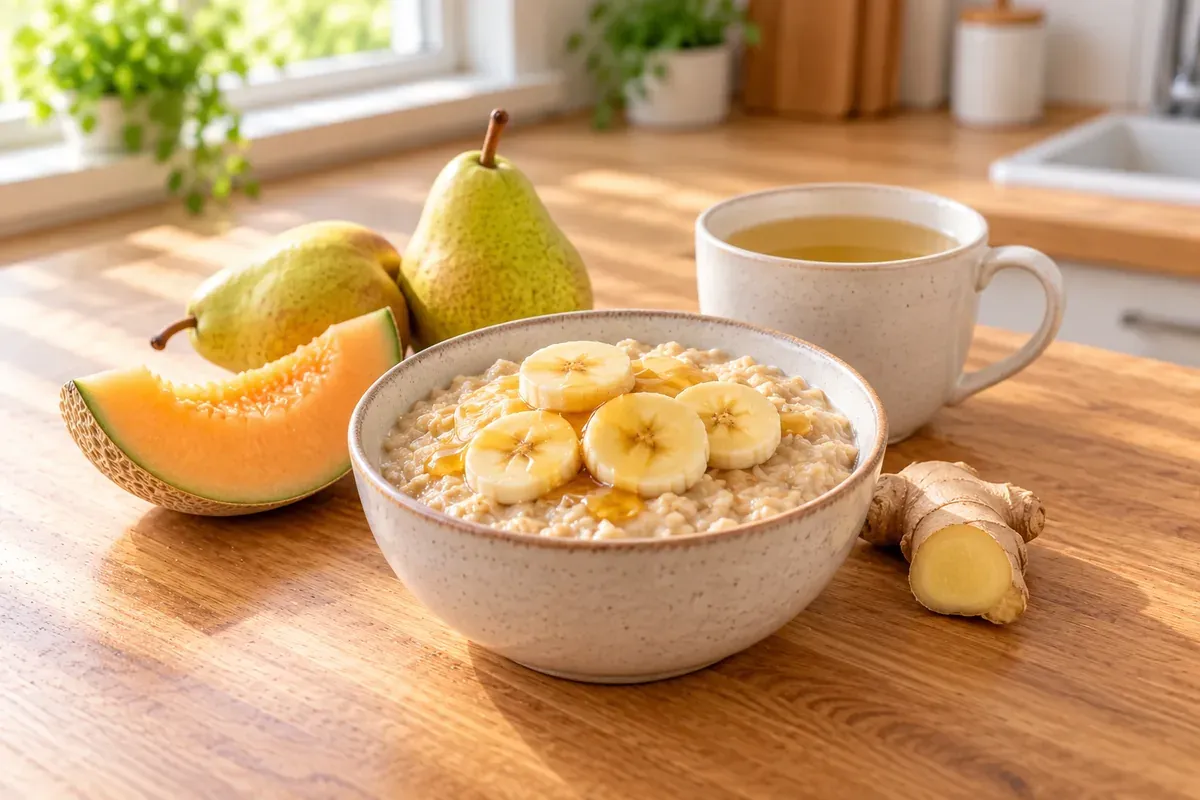
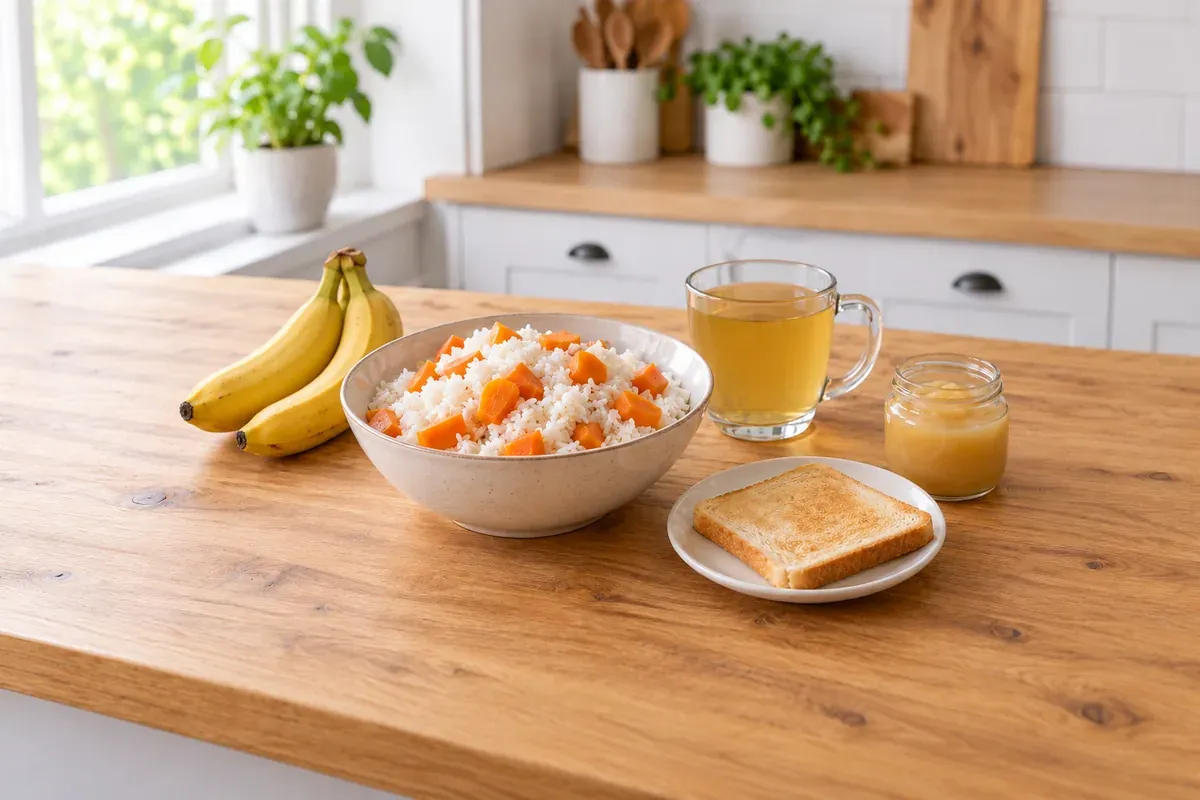
A clear liquid diet comes first (broth, juice without pulp, gelatin, popsicles), then low-fiber foods such as white bread, white rice, pasta, eggs, and cooked fruit and vegetables without skins or seeds, as a doctor directs. UCSF Health leaves orange juice and pulpy juice out of the clear liquid stage.
Foods to limit on the diverticulitis diet
On the diverticulitis diet, cut back on:
- Red meat. Beef, pork, and lamb. NIDDK says a diet low in fiber and high in red meat may increase the risk of diverticulitis, and that eating less red meat may lower it.
- Sweets. Candy, pastries, cookies, and sugary desserts. The AGA describes the eating pattern linked to a lower risk of diverticulitis as high in fiber and low in red meat and sweets.
- Low-fiber staples. White bread, white rice, and regular pasta are low in fiber, and NIDDK links a low-fiber diet to a higher risk of diverticulitis. Whole-grain versions are the everyday choice, while the low-fiber ones are used on purpose during a flare.
- Heavy alcohol use. The AGA says alcoholism, but not alcohol consumption by itself, increases the risk of diverticulitis.
Downsides to know about
- The evidence is limited. A 2018 systematic review rated the evidence on both flare-time diet changes and a high-fiber diet afterward as very low quality, and its authors had low confidence that high fiber directly lowers recurrence. The AGA's own update rests on low to moderate quality evidence.
- Flare advice varies. The AGA advises clear liquids in the acute phase, yet notes that a small study suggested they may not be necessary and that many patients simply feel more comfortable on them. The 2018 review found no research showing a clinical benefit from restricting food and conditionally supported allowing solid food in hospital.
- Too much fiber too fast. A sudden jump in fiber can cause bloating and abdominal discomfort, which is why UCSF Health advises adding it gradually.
People also ask
Can you eat popcorn, nuts, and seeds with diverticulitis?
Between flares, yes. The AGA says nut, corn, and popcorn consumption is not associated with a higher risk of diverticulitis, and the same holds for small-seeded fruit such as strawberries and blueberries. During a flare, MedlinePlus lists nuts and popcorn among the foods left out of the temporary low-fiber diet, because of their fiber.
How long does the clear liquid stage of a diverticulitis diet last?
There is no fixed length. The AGA says the diet should advance as symptoms improve, and that patients who want to advance faster can do so. UCSF Health says symptoms usually improve within 2 to 4 days, after which 5 to 15 grams of fiber a day may be added.
Is a fiber supplement enough for diverticulitis?
The AGA says a fiber supplement is not a replacement for a high-quality diet, meaning one high in fiber from fruits, vegetables, whole grains, and legumes. For people with a history of diverticulitis, it lists that diet among the habits advised to lower the risk of recurrence, along with a normal body weight, regular physical activity, and not smoking.
Sources
- Eating, Diet, & Nutrition for Diverticular Disease
- AGA Clinical Practice Update on Medical Management of Colonic Diverticulitis: Expert Review
- Diverticular Disease and Diet
- Low-fiber diet
- Evidence for Dietary Fibre Modification in the Recovery and Prevention of Reoccurrence of Acute, Uncomplicated Diverticulitis: A Systematic Literature Review