Candida Diet Food List and Shopping List + PDF
The candida diet is an eating plan promoted against Candida yeast overgrowth. It cuts sugar, refined carbohydrates, alcohol and often yeast and some dairy. Evidence that it works is limited, and this page covers what it allows and what it leaves out.
- Shopping list
- 58
- Store categories
- 10
- Type
- Diets for digestive health
Candida diet shopping list
58 of 58 items
 Meats
 Fish & seafood
 Fresh grocery
 Dry goods
 Dairy & eggs
 Plant based
 Cans & jars
 Snacks & sweets
 Spices & sauces
 Beverages
How the candida diet works
Candida is a yeast that lives naturally on the skin and in the mouth, throat and vagina, and it usually causes no symptoms. Candidiasis is the infection that develops when it multiplies beyond normal levels. People follow the candida diet hoping to ease symptoms they attribute to this overgrowth, such as fatigue, headaches and poor memory.
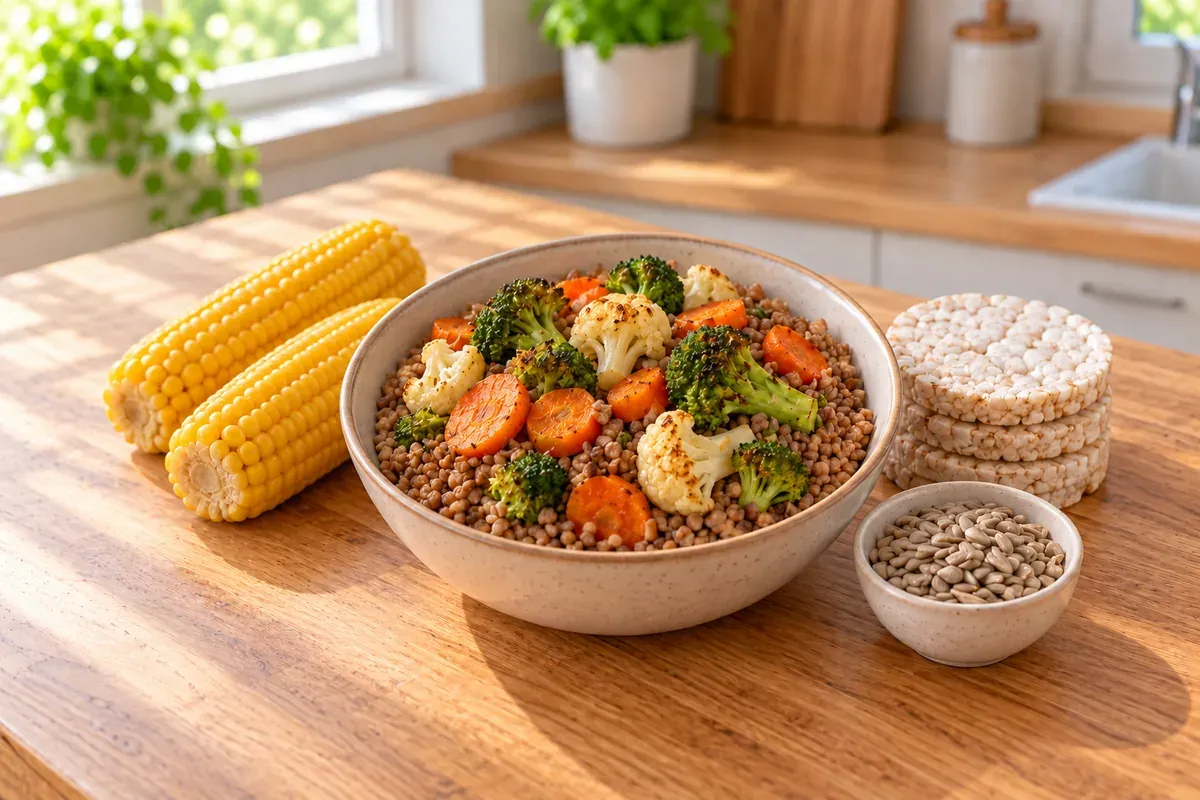
There is no single official version. Most build meals around non-starchy vegetables, protein, healthy fats and gluten-free grains, and leave out sugar, sweeteners, gluten grains, alcohol, caffeine and high-sugar fruit. Many versions also cut milk, cheese and foods made with yeast, and some limit starchy vegetables such as potatoes and corn.
Read labels as you shop. Added sugar turns up in sauces, dressings and flavored yogurt, so plain versions are the safer pick. Drinks are mostly water, herbal tea and chicory coffee.
What can you eat on the candida diet
-
Non-starchy vegetables
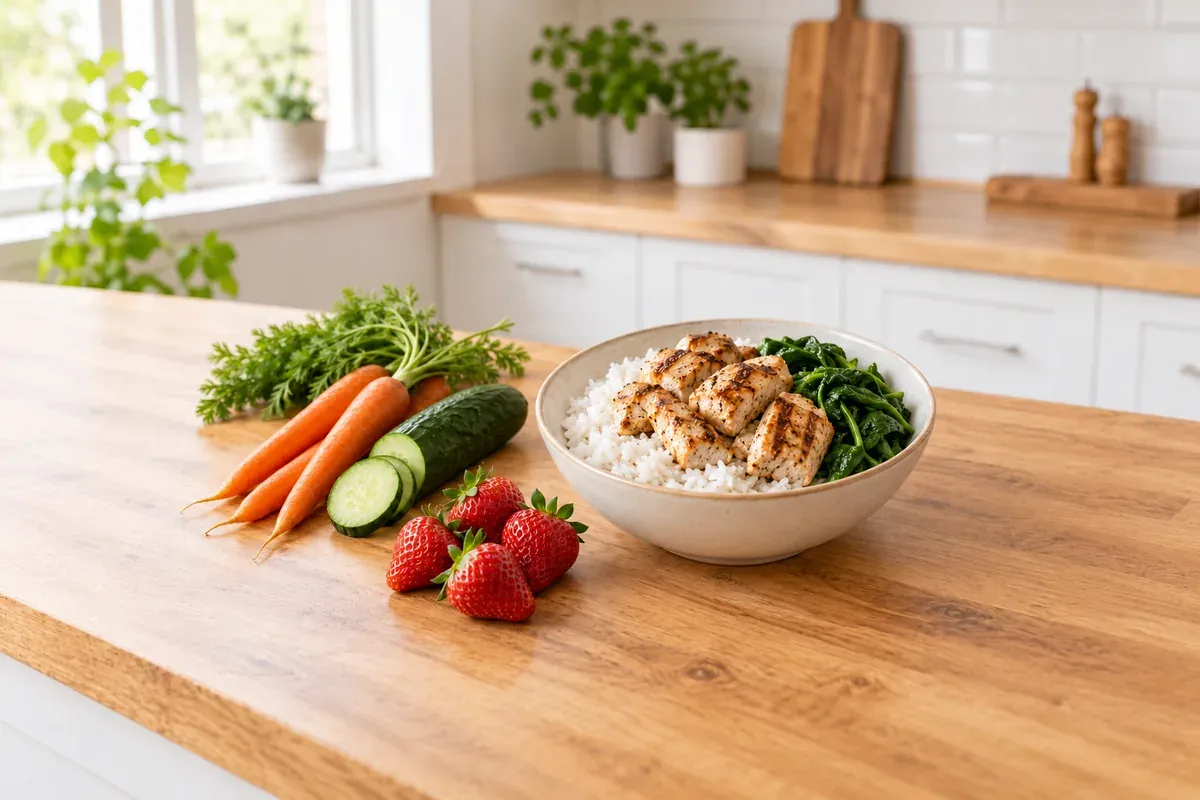
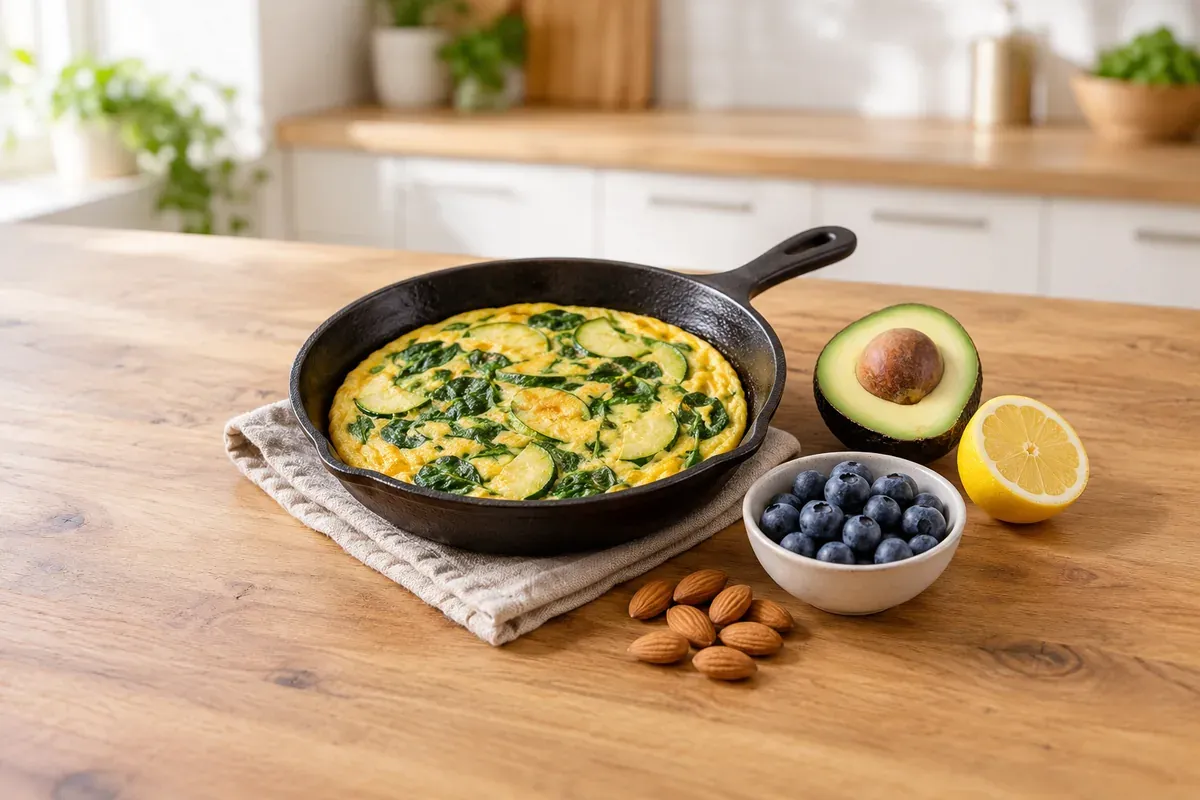
Broccoli, kale, spinach, zucchini and onions are the base of most plates. They are low in starch and sugar, which suits a diet built around cutting both.
-

Low-sugar fruit
Lemons, limes and small portions of berries are the usual choices. Higher-sugar fruit is left out in most versions.
-
Protein
Chicken, turkey, eggs, wild-caught salmon and sardines are typical. Many versions avoid deli meats and farm-raised fish, so fresh cuts are the safer pick.
-
Gluten-free grains
Millet, quinoa, oat bran and buckwheat are the grains most versions allow, since wheat, rye, barley and spelt are out.
-

Healthy fats
Avocado, olives, and olive, flaxseed and coconut oils take the place of margarine and refined oils.
-

Nuts and seeds
Almonds, sunflower seeds, flaxseed and coconut are the usual picks. Versions that worry about mold skip peanuts, cashews, pecans and pistachios.
-
Dairy
Butter, ghee, plain unsweetened yogurt and kefir are allowed in many versions. Milk, cheese and cream usually are not.
-
Beverages, herbs and spices
Water, herbal tea and chicory coffee are the standard drinks. Herbs, spices, sauerkraut and apple cider vinegar add flavor without sugar.
Foods to avoid on the candida diet
On the candida diet, most versions leave out:
- Sugar and sweeteners. Table sugar, honey, maple syrup, agave and corn syrup are out, along with sweets and desserts. Many versions also avoid artificial sweeteners.
- Wheat, white flour and yeast. Wheat, rye, barley and spelt are left out, and so are white bread, pasta and pastries. Many versions also avoid foods made with yeast.
- High-sugar fruit. Bananas, grapes, mango, dates, raisins and figs are on the avoid list. Some versions cut all fruit at the start.
- Alcohol, caffeine and sugary drinks. Beer, wine, spirits, regular coffee and tea, soda and fruit juice are out.
- Milk, cheese and cream. Many versions cut these while still allowing butter, ghee and plain yogurt. Some focus on lactose-rich dairy.
- Processed meat and farm-raised fish. Deli meats and farm-raised fish are on many avoid lists, along with additives such as nitrates.
- Refined oils and store-bought sauces. Margarine, canola and soybean oil, ketchup, mayonnaise and soy sauce are usually skipped.
Downsides to know about
- Little proof it works. Mayo Clinic says no clinical trials show a candida cleanse diet works. Feeling better on it likely comes from eating fewer processed foods rather than from stopping yeast growth.
- One small pilot study. In a pilot of 120 people with chronic intestinal Candida overgrowth who were also taking the antifungal nystatin, 85% of the group that followed a diet were cured at 3 months, against 42.5% without it. The authors call the results preliminary, and the study did not test diet on its own.
- Antifungal medicine is the treatment. The CDC states that candidiasis is treated with antifungal medication, and the drug, dose and length depend on the type and severity of the infection and the person's overall health. A food list does not replace that treatment.
- Rules without evidence behind them. ColumbiaDoctors (Columbia University Irving Medical Center) says that without celiac disease or a physician-diagnosed gluten sensitivity there is no established health benefit to avoiding gluten, yet most versions of the diet cut gluten grains. Lists also vary from source to source.
People also ask
What causes Candida overgrowth?
Candida overgrowth happens when the yeast that normally lives on the skin and in the mouth, throat and vagina multiplies beyond normal levels. The CDC lists a weakened immune system as a risk factor for every type of candidiasis. For vaginal yeast infections, it also names recent antibiotic use, pregnancy, birth control pills and unmanaged diabetes.
How long do you stay on the candida diet?
There is no tested length. Mayo Clinic says no clinical trials show a candida cleanse diet works, so no timetable has been shown to work better than another. The plan you follow sets its own schedule.
What is the candida cleanse?
The candida cleanse diet is another name for the candida diet. Mayo Clinic's patient information describes it as cutting foods such as sugar, white flour, yeast and cheese, aimed at symptoms like fatigue, headache and poor memory. It also says that no clinical trials show it works.