Low-FODMAP Diet Food List and Shopping List + PDF
The low-FODMAP diet is a three-step eating plan used to manage irritable bowel syndrome (IBS) symptoms: you swap out certain fermentable carbohydrates, then add them back one group at a time to find your triggers. This list covers the strict first step, with what to buy, what to leave out and where serving size matters.
- Shopping list
- 59
- Store categories
- 11
- Type
- Diets for digestive health
Low-FODMAP diet shopping list
59 of 59 items
 Meats
 Fish & seafood
 Fresh grocery
 Dry goods
 Dairy & eggs
 Plant based
 Bakery
 Cans & jars
 Snacks & sweets
 Spices & sauces
 Beverages
How the low-FODMAP diet works
FODMAPs are fermentable carbohydrates (oligosaccharides, disaccharides, monosaccharides and polyols) that the small intestine absorbs poorly. Gut bacteria ferment them, which can cause gas, bloating, pain and changes in bowel habits in people with IBS. Wheat, onion, garlic, beans and some fruit are common sources.
The diet has three steps. In step 1 you swap high-FODMAP foods for low-FODMAP ones for 2 to 6 weeks, and if symptoms haven’t improved by then, other therapies should be considered. In step 2 you test each FODMAP group in turn by eating a food rich in just that group daily for 3 days. In step 3 you relax the restrictions as far as you can and keep limiting only what you tolerate poorly. The shopping list on this page is for step 1. Monash University, which developed the diet, advises following it with a dietitian who has experience with IBS.
Serving size matters because a food’s FODMAP content changes with the amount. Monash rates each food at a standard serve and shows how the rating shifts with portion: avocado, for example, is low at 30 g, moderate at 45 g and high at 80 g. The foods on this list are low-FODMAP in a typical serving, so check the Monash FODMAP app for the amounts you eat often.
Read ingredient labels: onion, garlic, inulin, honey and sugar alcohols such as sorbitol, mannitol and xylitol turn up in stocks, sauces, snack bars and sugar-free products. Gluten-free is not the same as low-FODMAP. For drinks, water, sparkling water and peppermint tea are low-FODMAP, while juice from high-FODMAP fruit such as apples is not, and some herbal teas contain high-FODMAP ingredients.
What can you eat on the low-FODMAP diet
-
Meat, fish, eggs and tofu
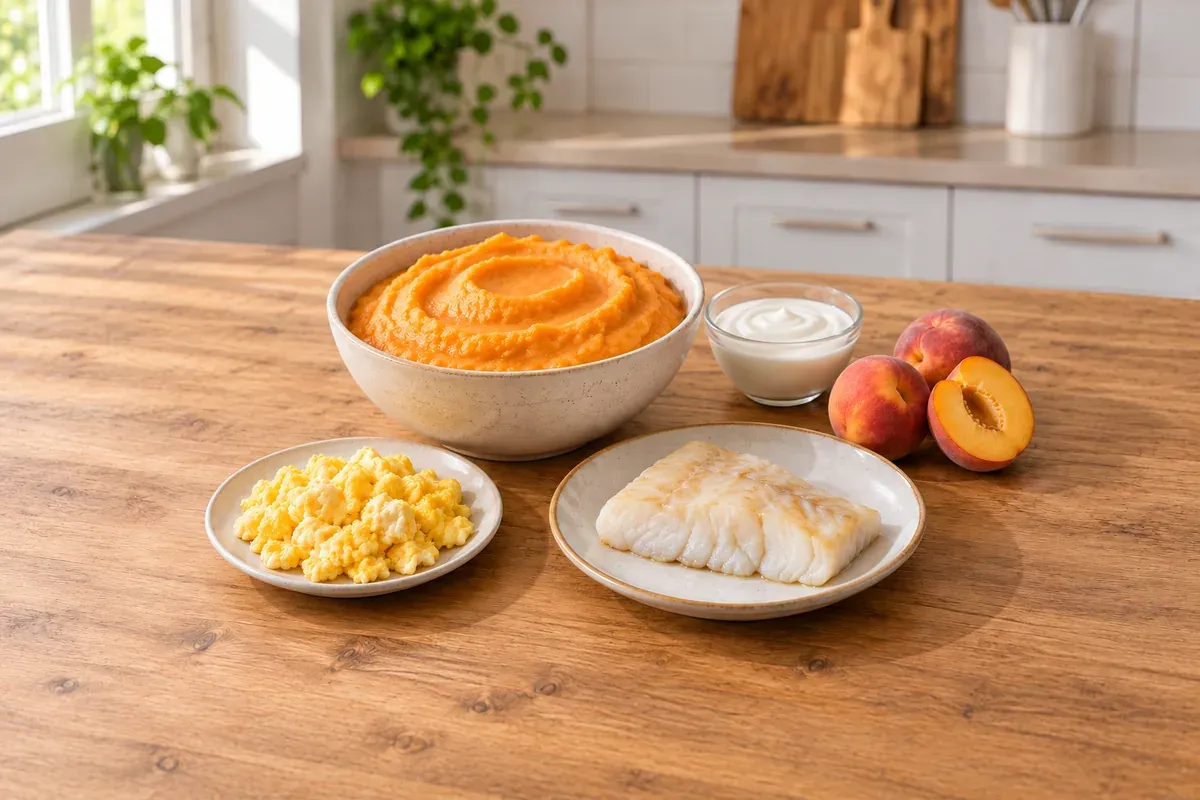
Plain cooked meat, poultry, fish, shellfish and eggs are low-FODMAP, and so are firm tofu and tempeh. Check marinated or processed meats, sausages and breaded products, which can add onion, garlic or wheat.
-

Vegetables
Carrots, cucumbers, spinach, lettuce, green beans, potatoes, tomatoes and green bell peppers are low-FODMAP in typical servings. Red bell peppers are high-FODMAP, so choose green ones.
-

Fruit
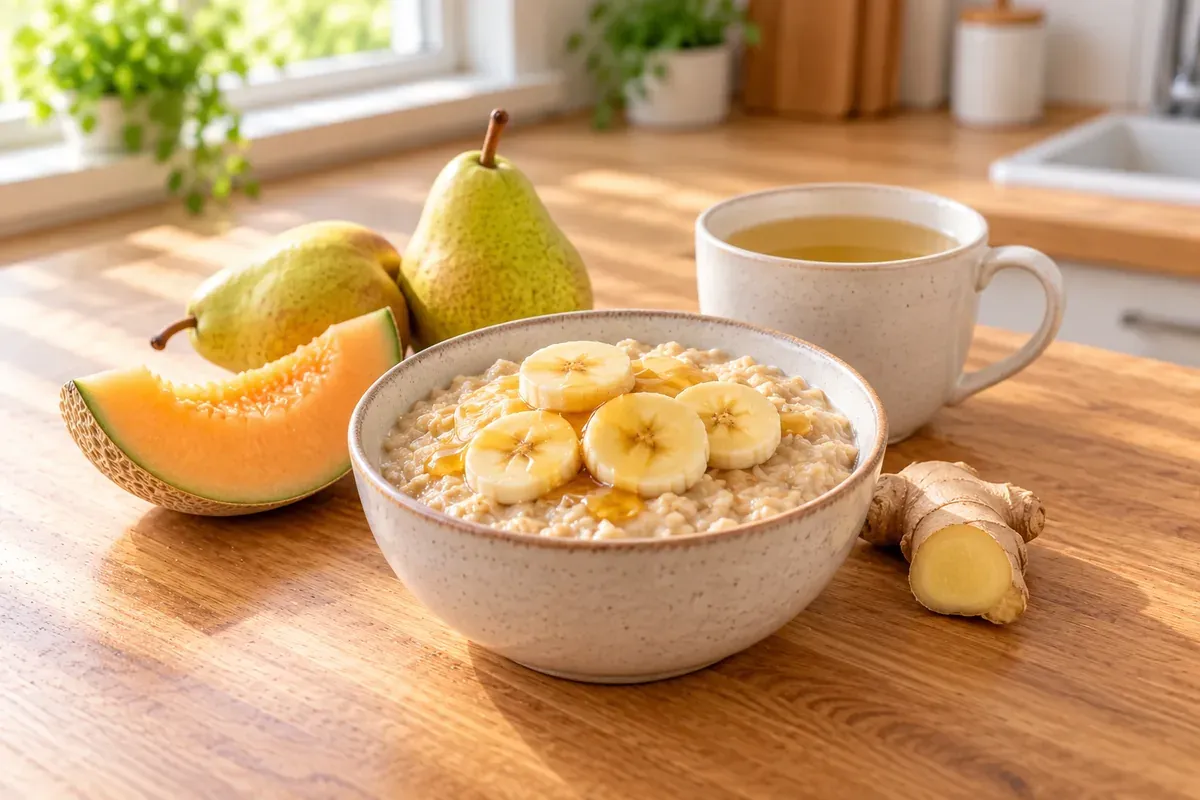
Oranges, mandarins, kiwi, pineapple, strawberries and blueberries are low-FODMAP, as are firm, not very ripe, bananas. Stick to a normal serving of each, because the amount changes the rating.
-
Grains and starches
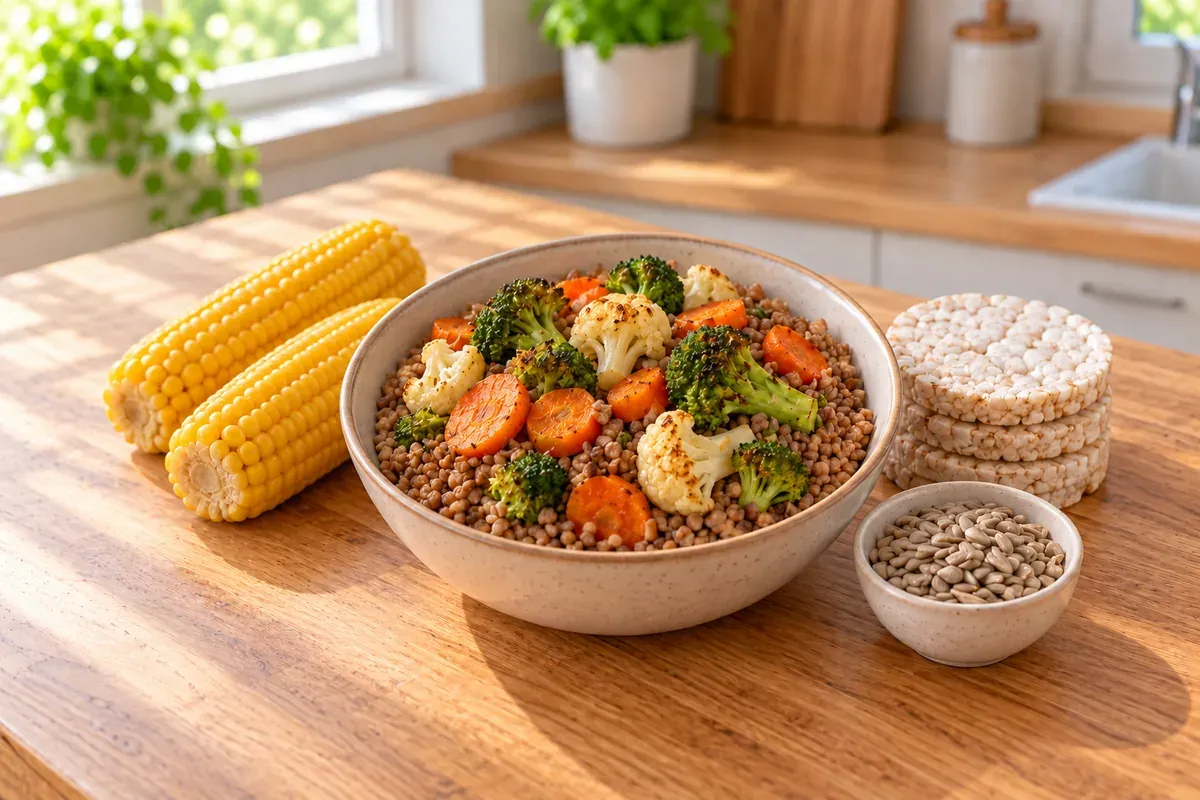
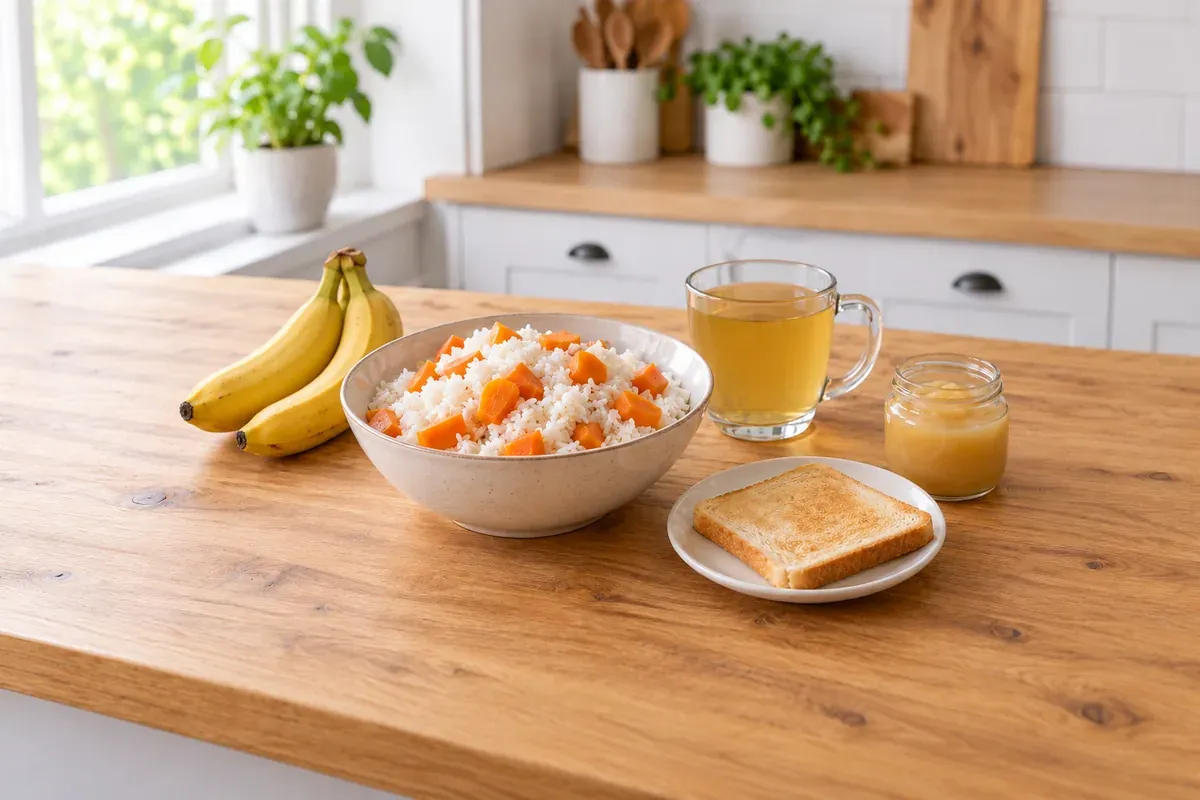
Rice, oats, quinoa, polenta, potatoes and rice or corn pasta are low-FODMAP, and so are plain rice cakes. Gluten-free bread is an option, but gluten-free is not the same as low-FODMAP, so check the label for inulin, honey, apple juice and chickpea or lentil flour.
-
Dairy and alternatives
Lactose-free milk and yogurt, butter and cheeses such as cheddar, Parmesan, feta and brie are low in lactose. Almond milk is a low-FODMAP plant-based option; check the label for inulin or other added fiber.
-

Nuts and seeds
Walnuts, peanuts, macadamias, pumpkin seeds and chia seeds are low-FODMAP in a small handful, and peanut butter works too. Cashews and pistachios are high, and almonds are low only in a very small serving, so they are left off the list.
-
Herbs, spices and oils
Chives, ginger, fresh herbs, most dried spices and olive oil add flavor without onion or garlic. Ready-made garlic-infused oil is also low-FODMAP, because the FODMAPs in garlic do not pass into the oil.
-
Beverages
Water, sparkling water, green tea and peppermint tea are low-FODMAP. Juice from high-FODMAP fruit such as apples is not, and some herbal teas contain high-FODMAP ingredients, so read the label.
Foods to avoid on the low-FODMAP diet
During the strict first step of the low-FODMAP diet, leave out:
- Wheat, rye and barley. Regular bread, pasta, couscous, most breakfast cereals, crackers and baked goods are made from these grains and are high in fructans. Swap in rice, oats, quinoa, polenta and gluten-free versions made without other high-FODMAP ingredients.
- Onion and garlic. Onions, shallots, leeks, garlic and the white part of spring onions are among the biggest sources of FODMAPs. Look for onion and garlic in stock cubes, sauces, seasoning mixes, marinades and ready meals.
- Beans, lentils, cashews and pistachios. Most dried and canned beans and other legumes, plus cashews and pistachios, are high in galacto-oligosaccharides. Rinsed canned lentils and chickpeas are low only in a small serving, so they are left off the list; choose firm tofu rather than silken.
- High-FODMAP fruit. Apples, pears, mangoes, watermelon, peaches, plums, nectarines, cherries, dried fruit and juices made from them are high in FODMAPs such as fructose and sorbitol.
- High-FODMAP vegetables. Cauliflower, mushrooms, asparagus, artichokes, green peas and red bell peppers are high-FODMAP. Avocado depends on the amount: it is low at 30 g but high at 80 g.
- Regular milk, yogurt and ice cream. Cow's milk, yogurt, ice cream, custard and evaporated or condensed milk are high in lactose. Use lactose-free milk and yogurt, hard cheeses or almond milk instead.
- Honey, sugar alcohols and added fibers. Honey, agave, high-fructose corn syrup and sugar alcohols such as sorbitol, mannitol and xylitol, common in sugar-free gum and candy, are high-FODMAP. So are added fibers like inulin and chicory root, found in some yogurts, cereals and snack bars.
Downsides to know about
- Evidence is limited. An NHS trust leaflet says the diet reduces symptoms in more than 70% of people with IBS, while a 2024 review gives 50 to 75% and calls most of the supporting evidence low quality. Most of that evidence covers only the first step.
- Nutrient gaps. Cutting out many foods can lower intake of fiber, calcium, iron and vitamins such as B1, B2, B9 and D, especially when the diet is self-managed or the strict step runs long. An NHS trust leaflet describes it as a temporary exclusion diet to follow under a dietitian's care.
- Hard to live with. The strict step can be costly, time-consuming and socially limiting. A 2024 review also notes that restrictive diets may not suit people with eating disorders, and that gut bacteria such as bifidobacteria can drop during restriction, with unclear long-term effects.
- Staying on step 1 too long. The strict step is not meant to be permanent. Monash's third step aims to relax restrictions as far as possible, so skipping it can leave you avoiding foods you tolerate.
People also ask
Is the low-FODMAP diet the same as a gluten-free diet?
No. Wheat, rye and barley are limited on both, but for different reasons, and many gluten-free products contain other high-FODMAP ingredients such as inulin, honey or chickpea flour. Plenty of naturally gluten-free foods, such as apples, onions and beans, are high-FODMAP.
What if my symptoms don't improve on the low-FODMAP diet?
Monash's guidance is that if symptoms haven't improved after step 1, other therapies should be considered. Extending the strict step adds nutritional risk, as described above, so it is not a way to make the diet work.
How do I handle restaurants and ready meals on the low-FODMAP diet?
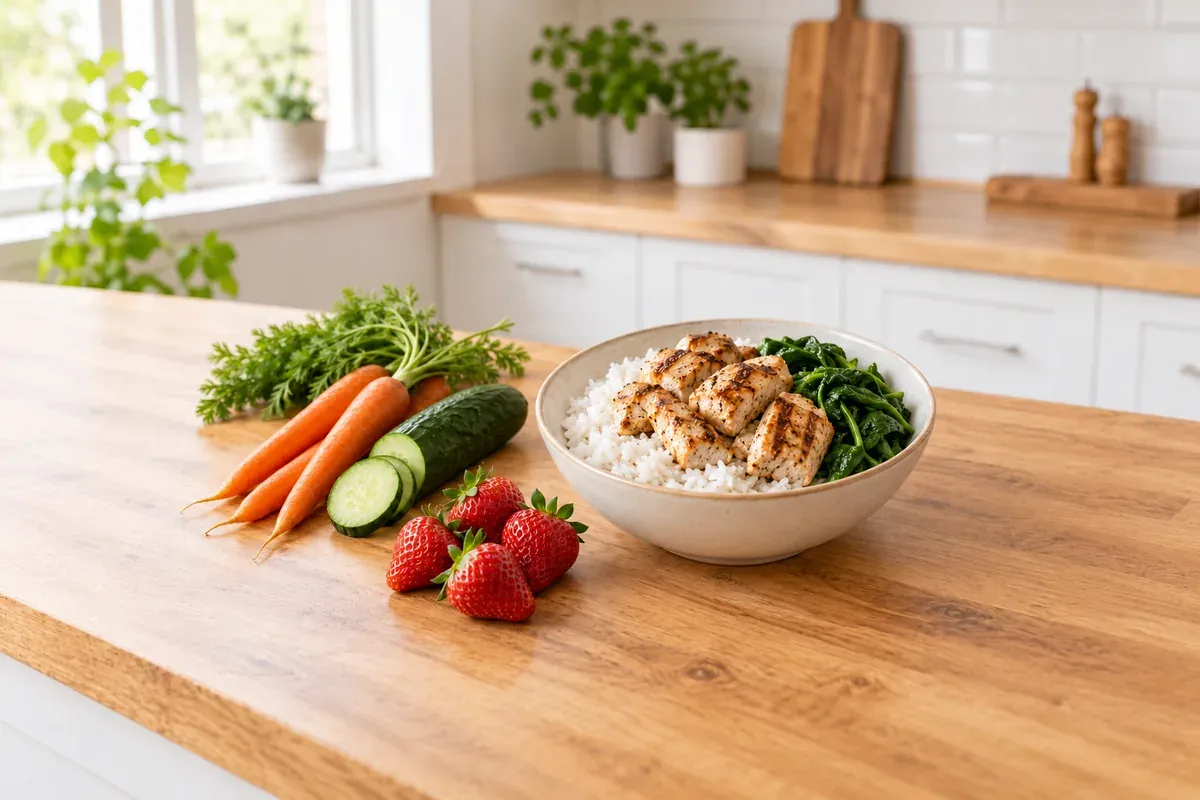
Plain grilled meat or fish with rice or potatoes and a simple vegetable is the lowest-risk order. Sauces, gravies, stocks and seasoning mixes often contain onion and garlic, so ask for them on the side or left out. For packaged food, scan the ingredients for onion, garlic, inulin, honey and sugar alcohols.