GAPS Diet Food List and Shopping List + PDF
The GAPS diet is a restrictive elimination diet created by Dr. Natasha Campbell-McBride, who says that healing the gut can ease conditions such as autism. No clinical trial has shown that it does. This page gives the full-diet food list, the introduction stages and a shopping list.
- Shopping list
- 56
- Store categories
- 9
- Type
- Diets for digestive health
GAPS diet shopping list
56 of 56 items
 Meats
 Fish & seafood
 Fresh grocery
 Dry goods
 Dairy & eggs
 Cans & jars
 Snacks & sweets
 Spices & sauces
 Beverages
How the GAPS diet works
Dr. Natasha Campbell-McBride created the GAPS diet in 2004, building on the Specific Carbohydrate Diet and her own clinical experience. GAPS stands for Gut and Psychology Syndrome, her term for a link between gut health and conditions such as autism, ADHD and depression. Gut and Psychology Syndrome is not a diagnosis used in medicine, and neither is leaky gut, the idea behind it: Cleveland Clinic calls leaky gut a hypothetical condition that is not currently recognized as a medical diagnosis.
The diet begins with a six-stage introduction, which the GAPS site lets people skip. Stage 1 is homemade meat or fish stock, soups with boiled meat, probiotic foods such as fermented vegetable juice or homemade yogurt, and ginger tea. Stage 2 adds raw egg yolks and stews. Stage 3 adds avocado and nut-butter pancakes, stage 4 roasted meat, olive oil and carrot juice, stage 5 cooked apple and raw lettuce and cucumber, and stage 6 raw fruit, honey and baking sweetened with dried fruit. The guide says to move on once diarrhea starts to clear, not by the calendar.
The full GAPS diet comes next and runs for at least 18 to 24 months. The GAPS site says about 85% of what you eat each day should be meat (including organ meats), fish, stock, eggs, fermented dairy and vegetables, with fruit and nut-flour baking kept to snacks between meals. Cook only with animal fats, coconut oil or ghee, use plant oils such as olive oil raw, and skip the microwave. Drinks are water, herbal tea, weak fresh tea or coffee, and freshly pressed juice.
What can you eat on the GAPS diet
-
Meat and poultry
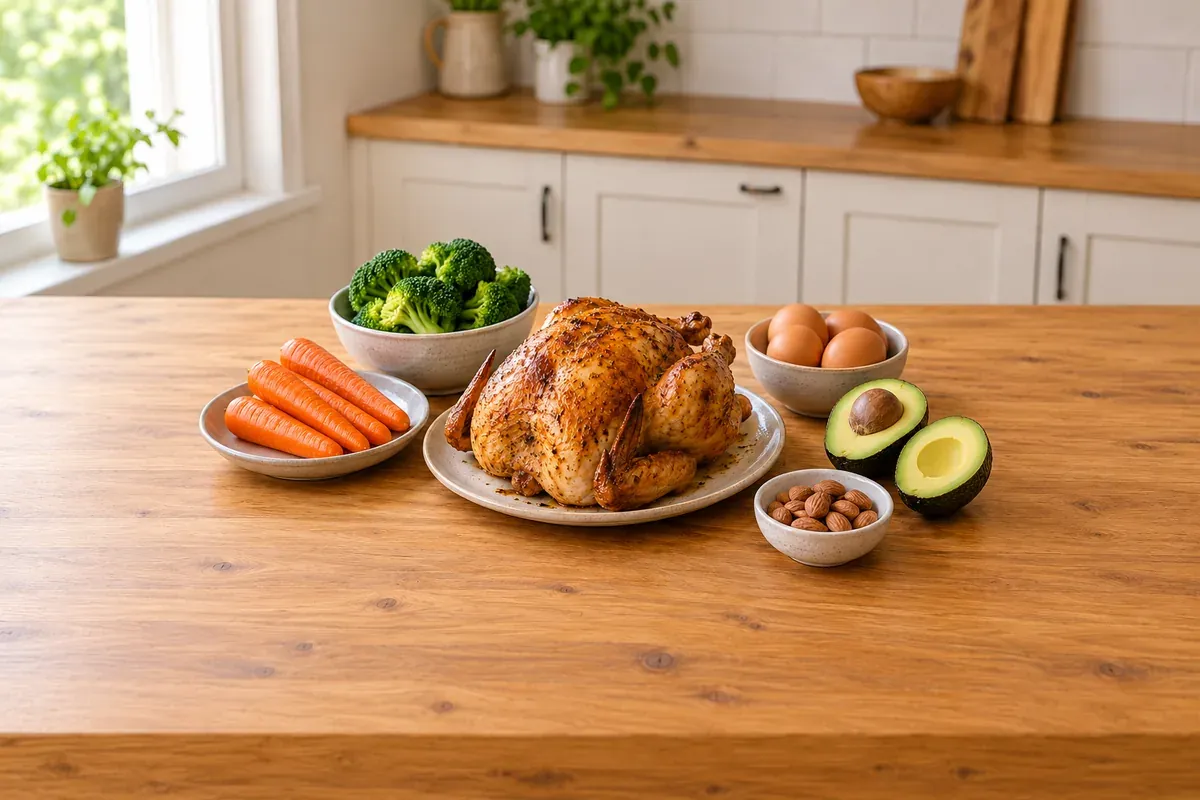
Fresh or frozen beef, lamb, chicken, turkey, duck, goose, quail and game, plus organ meats and homemade stock. The GAPS site says to avoid smoked, canned and processed meats.
-
Fish and shellfish
Fresh or frozen fish and shellfish from wild-caught sources, and canned fish packed in oil or water only.
-

Eggs and dairy
Fresh eggs, butter, homemade ghee and homemade yogurt, plus aged cheeses such as cheddar, Swiss and Gouda if you tolerate dairy. Uncreamed dry curd cottage cheese is allowed too.
-

Vegetables
Most non-starchy vegetables, eaten cooked, raw or fermented: broccoli, cabbage, carrots, spinach, zucchini, tomatoes, onions and more. String beans and well-prepared white beans (navy, haricot, lima) are the beans on the allowed list.
-

Fruit
Apples, berries, grapes, kiwi, cherries, grapefruit and ripe bananas with brown spots, plus dates, prunes and raisins without additives. The site says to keep fruit to snacks between meals.
-

Nuts and seeds
Unsalted, unroasted almonds, walnuts, hazelnuts, Brazil nuts and cashews, plus almond butter and shredded coconut. Baked goods made from nut or seed flours are allowed in moderation.
-

Healthy fats
Animal fats, coconut oil and homemade ghee for cooking, plus butter. Olive and avocado oil stay raw: the site says plant oils should be cold-pressed, organic and never heated.
-
Beverages
Herbal tea, still mineral or filtered water, freshly pressed juice from allowed produce, and weak, freshly made tea or coffee. The allowed list also includes dry wine.
Foods to avoid on the GAPS diet
On the full GAPS diet, leave out:
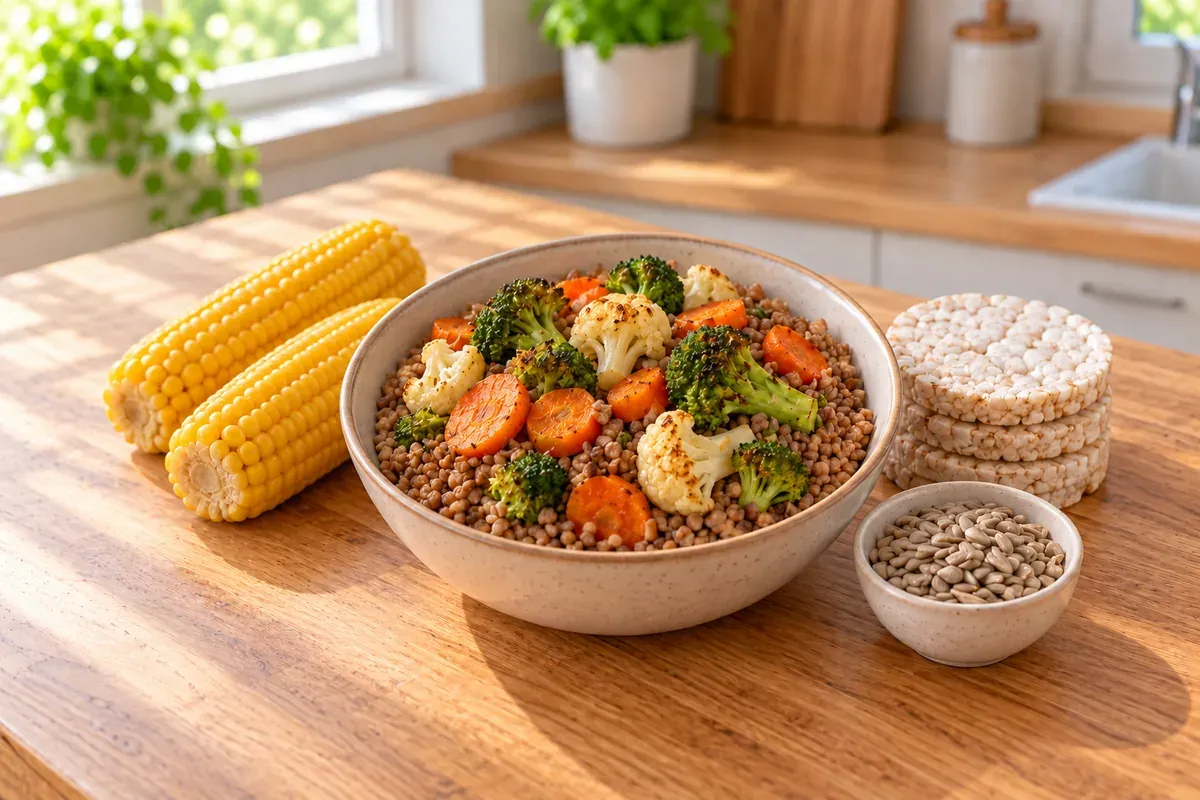
- Grains and flours. All grains, including wheat, rye, oats, rice, corn, quinoa and buckwheat, and anything made from them, such as bread, pasta, cereal and couscous. Cornstarch, tapioca and arrowroot are out too.
- Potatoes and most beans. White and sweet potatoes, yams, parsnips and okra, plus chickpeas, soy, baked beans and most other dried beans.
- Sugar and sweeteners. Sugar of any kind, corn syrup, agave, molasses, artificial sweeteners, chocolate and jam. Natural honey and the sugar in fruit are allowed in limited amounts.
- Most dairy. Milk from any animal, plus soy, rice and canned coconut milk, cream, commercial yogurt, ice cream, mozzarella, ricotta, feta, cream cheese, processed cheese and creamed cottage cheese.
- Processed and packaged foods. Canned vegetables and fruit, ham, hot dogs and other processed or smoked meats, bouillon cubes, ketchup, margarine and cooking oils. Packaged foods with refined carbohydrates, preservatives or colorants are out.
- Predator and farmed fish. Shark, tuna, halibut, swordfish and mackerel are out, as is farmed seafood. So are fish that are smoked, salted, breaded or canned in sauce.
- Some drinks. Soft drinks, beer, liqueurs, brandy, sherry, instant coffee and tea, and commercial apple juice.
Downsides to know about
- No trial evidence. No clinical trial has shown that the diet treats autism or any other condition. A 2024 review calls the support primarily anecdotal, with limited peer-reviewed research on the diet itself.
- Risk of nutrient gaps, especially in children. The 2024 review warns that the early introduction stages may not maintain adequate nutrition and stresses that all nutritional needs must be met, particularly in children. Science-Based Medicine makes the same point about the early stages.
- Very restrictive and long. It removes all grains, potatoes, most beans and most dairy, and the full diet runs for at least 18 to 24 months, which makes it hard to keep up.
- Food safety. From stage 2 the introduction adds raw egg yolks, which Science-Based Medicine flags as a Salmonella risk. Moving between stages is judged by symptoms such as diarrhea, not by testing.
People also ask
Is the GAPS diet the same as the Specific Carbohydrate Diet?
No, but they are related. Campbell-McBride built GAPS on the Specific Carbohydrate Diet, which Sidney Haas developed in the 1920s for celiac disease and other digestive disorders. GAPS adds a phased start and more emphasis on bone broth and fermented foods, and the GAPS site says the biggest differences are in dairy and macronutrient ratios.
Can you skip the introduction and start on the full GAPS diet?
Yes, according to the GAPS site. It says people with constipation, IBS, mild digestive discomfort or skin issues, or who have had the gallbladder removed, may find starting with the full diet useful. It recommends a separate dairy introduction structure for anyone who skips the introduction.
Is dairy allowed on the GAPS diet?
Only some. Homemade yogurt, butter, homemade ghee, many aged cheeses and uncreamed dry curd cottage cheese are on the allowed list, while milk, cream and commercial yogurt are not. In the introduction, homemade yogurt or kefir comes in gradually, starting at 1 to 2 teaspoons a day.