Colonoscopy Diet Food List and Shopping List
A colonoscopy prep diet is the eating plan before the procedure: low-residue foods for the days before, then clear liquids the day before, so the doctor can see the colon lining. This list covers both stages. Your clinic's own instructions come first and override it.
- Shopping list
- 48
- Store categories
- 12
- Type
- Diets for digestive health
Colonoscopy prep diet shopping list
48 of 48 items
 Meats
 Fish & seafood
 Fresh grocery
 Dry goods
 Dairy & eggs
 Plant based
 Bakery
 Frozen
 Cans & jars
 Snacks & sweets
 Spices & sauces
 Beverages
How the colonoscopy prep diet works
The goal of the prep diet is an empty colon. Stool inside the large intestine can keep the doctor from clearly seeing its lining, according to the National Institute of Diabetes and Digestive and Kidney Diseases. Food is only one part of the prep: the clinic also prescribes a laxative prep, as pills, liquid, or powder, which this page doesn’t cover.
Stage one is low-residue eating, which reduces the amount of food that stays in the bowel. Northwestern Medicine starts it 3 days before the procedure, the Colorectal Cancer Alliance lists 5 days, and MD Anderson suggests about a week. Think white bread, white rice, tender meat, eggs, and peeled white potatoes. Northwestern caps milk and milk products at 2 cups a day.
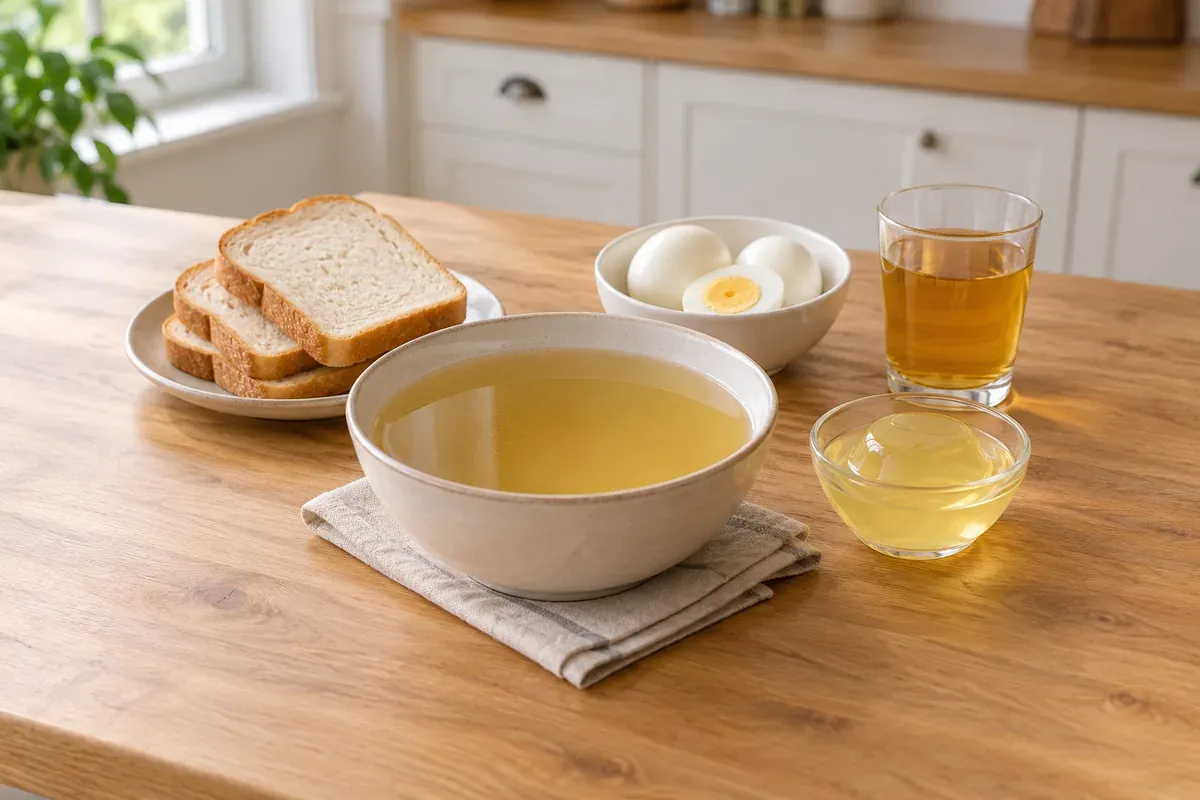
Stage two is clear liquids the day before: anything you can see through, with no pulp, solids, or cream. That means water, pulp-free apple or white grape juice, clear broth, plain coffee or tea, and gelatin or popsicles that aren’t red, orange, or purple. Your written instructions say when this stage starts and when to stop eating and drinking before the procedure.
Your clinic’s own instructions override this list. Timing, allowed foods, and the prep itself vary, and a prep that doesn’t clear the colon can mean repeating the procedure. If a food isn’t on your sheet, call the clinic’s office before you eat it.
What can you eat on the colonoscopy prep diet
-
Lean protein
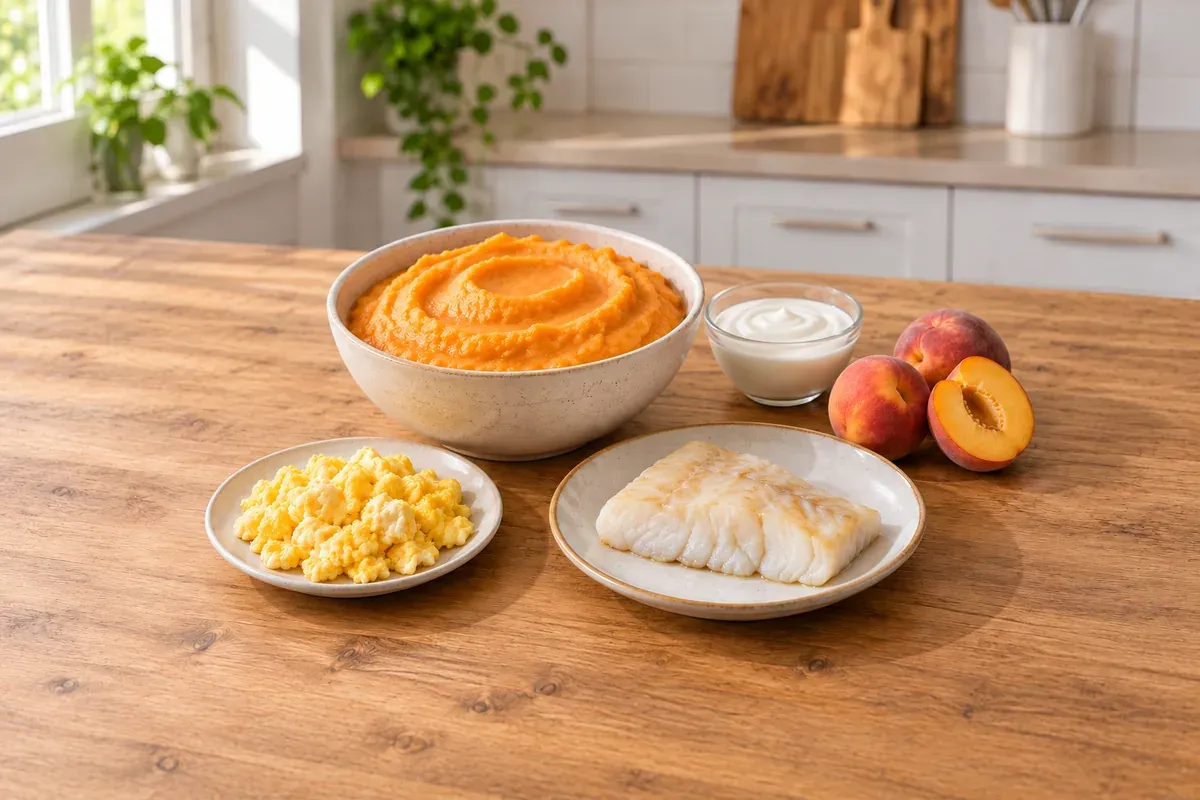
For the low-residue days, Northwestern Medicine lists tender or ground beef, chicken, turkey, lean pork, fish, shellfish, tuna, eggs, and tofu. Tough or stringy meat stays out.
-
Refined grains
Foods made with refined white flour fit the low-residue days: white bread, bagels, dinner rolls, white pasta, and white rice. Plain cold cereals such as corn flakes and puffed rice, saltines, and pretzels are on Northwestern's list too.
-
Peeled potatoes
Peeled white potatoes are the one vegetable on Northwestern's list. The Colorectal Cancer Alliance also lists canned fruit and vegetables without skins or seeds, but sheets differ, so stick to the potato unless your clinic says otherwise.
-
Dairy
Milk, plain yogurt without mix-ins, mild cheese, and cottage cheese are fine on the low-residue days, up to 2 cups a day of milk and milk products. Northwestern says to skip them if you're lactose intolerant, and soy, rice, or almond milk are listed as alternatives.
-

Fats and condiments
Butter, vegetable oil, mayonnaise, and plain condiments are on Northwestern's low-residue list, and so is sugar.
-
Clear liquids
On the clear liquid stage, the NIDDK lists fat-free broth, plain coffee or tea without milk or cream, pulp-free fruit juice such as apple or white grape, sports drinks, and water. The Colorectal Cancer Alliance adds pulp-free lemonade and clear sodas such as cola and ginger ale.
-
Gelatin, popsicles, and hard candy
Yellow or green gelatin, popsicles, Italian ice, and hard candies are on the Colorectal Cancer Alliance's list, as long as they're not red, orange, or purple.
Foods to avoid on the colonoscopy prep diet
In the days before a colonoscopy, leave out:
- Red, purple, and often orange dyes. On the clear liquid stage, skip drinks, gelatin, popsicles, and candy colored red or purple, and usually orange too. MD Anderson says the dye can look like blood or inflammation to the care team, and that green and blue coloring is fine. Follow your own sheet if it says otherwise.
- Whole grains and bran. Oatmeal, Cream of Wheat, bran, muffins, whole wheat bread, and brown rice are on Northwestern's avoid list. The NIDDK also names whole grains among the high-fiber foods to skip for several days.
- Raw and skin-on fruit and vegetables. Raw vegetables and salads are on the NIDDK's list of high-fiber foods to skip. Northwestern goes further and excludes all fruits and vegetables except peeled white potatoes, raisins included.
- Beans, nuts, and seeds. Legumes, raw nuts, seeds, coconut, olives, and foods with seeds or nuts are on Northwestern's avoid list, and the NIDDK names beans and nuts and seeds as foods to skip before the procedure.
- Tough or stringy meat. Northwestern lists tough or stringy meat to avoid. Tender or ground cuts are on its recommended list.
- Pulp, cloudy juice, and milk on the clear liquid stage. Clear liquids contain no pulp, solids, or cream, so milk, creamers, and cloudy juices such as orange or pineapple juice are out, according to the NIDDK. Plain milk is fine earlier, on the low-residue days.
- Solid food during the clear liquid stage. Once your clear liquid stage starts, everything solid is out. Your instructions say when it begins and when to stop eating and drinking altogether.
Downsides to know about
- Timing differs by source. Northwestern Medicine lists 3 days of low-residue eating, the Colorectal Cancer Alliance 5 days, and MD Anderson about a week. Guidance from the American Society for Gastrointestinal Endoscopy now limits restrictions to the day before, with clear liquids or a low-residue diet for early and midday meals.
- Food and color rules differ. Northwestern excludes all fruits and vegetables except peeled white potatoes, while the Colorectal Cancer Alliance also lists canned fruit and vegetables without skins or seeds. The NIDDK lists orange gelatin as allowed, while MD Anderson and the Alliance say to skip orange.
- Short-term and low in fiber. Northwestern describes the low-residue diet as something to follow for a short time before the procedure. It leaves out whole grains, beans, nuts, seeds, and most fruit and vegetables, so it isn't an everyday eating pattern.
- The diet is only part of the prep. Food doesn't empty the bowel on its own. The NIDDK says to finish the laxative prep completely, expect diarrhea, and call a health care professional if side effects keep you from finishing.
People also ask
Is a low-residue diet the same as a low-fiber diet before a colonoscopy?
Colonoscopy sheets use the two terms almost interchangeably: the American Society for Gastrointestinal Endoscopy writes low-fiber/low-residue together. Northwestern Medicine defines a low-residue diet as one that reduces the amount of food that stays in your bowels after you eat. In practice that means white bread, white rice, tender meat, and eggs instead of whole grains, raw vegetables, nuts, and beans.
Can I eat solid food on the day before a colonoscopy?
Some clinics have you on clear liquids only that day, as the Colorectal Cancer Alliance's list does. Recent guidance from the American Society for Gastrointestinal Endoscopy allows either clear liquids or low-residue foods for early and midday meals on the day before. Your written instructions say which version your clinic uses and when to stop.
Can I drink coffee, tea, or soda on a colonoscopy clear liquid diet?
Plain coffee or tea with no milk or cream counts as a clear liquid, according to the NIDDK. The Colorectal Cancer Alliance also lists clear sodas such as cola and ginger ale. Skip creamers, and skip any drink colored red, orange, or purple.